
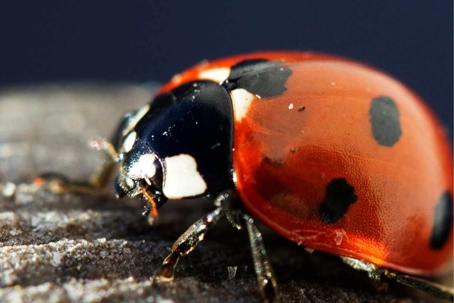
Can Asian Lady Beetles Bite?
Yes, Asian lady beetles (Harmonia axyridis) can bite, though it’s relatively uncommon and usually not serious. Most issues with Asian lady beetles indoors are nuisance-related rather than health-related.
Do Asian Lady Beetles Bite?
Asian lady beetles (Harmonia axyridis) rarely bite, but certain situations make it more likely:
When They Are Trapped or Handled
Bites usually occur when a beetle is pinched, pressed, or grabbed, such as when it crawls on your skin and you try to move it.
Handling these beetles directly increases the chance of a defensive bite.
During Fall When Seeking Shelter
In late summer and fall, Asian lady beetles seek warmth indoors for overwintering.
They may crawl on people’s skin while entering homes through windows, cracks, or vents.
If they feel confined in clothing or hair, a bite may occur.
When Disturbed While Resting
Beetles clustered in walls, attics, or window frames may bite if disturbed while resting.
Shaking or cleaning areas where they’ve settled can trigger defensive behavior.
High Beetle Density
In homes with large infestations, accidental contact is more frequent.
Multiple beetles crawling over skin or clothing increases the chance of bites, though they remain mild.
Stress or Threat Perception
Asian lady beetles may also bite if exposed to sudden movements, bright light, or pressure.
This is a defensive action rather than an attempt to feed.
Bites are rarely serious and usually result in small red marks or minor irritation. They do not transmit disease and are not venomous. Their main “defense” is actually the yellow secretion they produce when stressed, which can stain surfaces and has a strong odor.
Asian Lady Beetle Bites
Asian lady beetle bites are generally low-risk, but here’s what can occur:
Local Skin Irritation
Most bites cause minor irritation, such as:
Small red marks or tiny welts
Slight swelling or raised bumps
Mild itching or discomfort
These symptoms usually resolve within a few hours to a day.
Allergic Reactions
Rarely, some individuals may be sensitive or allergic to insect bites. Symptoms can include:
Increased redness or swelling
More intense itching
Hives or rash near the bite
Severe allergic reactions (like difficulty breathing) are extremely uncommon with Asian lady beetles.
Secondary Infection
Scratching a bite can break the skin and introduce bacteria, potentially leading to:
Minor infections
Redness, warmth, or pus at the site
Proper cleaning and avoiding scratching reduces this risk.
Yellow Secretion
When threatened, Asian lady beetles can secrete a yellow-orange fluid:
Harmless to humans but may stain skin or clothing
Has a strong odor, which can be unpleasant
Psychological or Nuisance Effects
In homes with infestations, frequent bites or contact may cause:
Anxiety or discomfort
Sleep disturbance if beetles are active at night
Avoidance of areas where beetles cluster
Medical risk is minimal. Most bites are a mild nuisance rather than a health threat. People with known insect allergies should monitor reactions, but serious complications are extremely rare.
What Do Asian Lady Beetle Bites Look Like?
Asian lady beetle bites are usually mild and subtle, often easy to confuse with other insect bites or minor skin irritations:
Appearance
Small, red or pink raised bumps on the skin
Slightly swollen area around the bite in some cases
Often appears as a single dot rather than clusters
Rarely, a tiny welt forms if the skin is more sensitive
Associated Symptoms
Mild itching or irritation at the bite site
Sometimes a slight burning sensation, usually brief
No blistering or severe redness under normal circumstances
Differentiating Features
Bites are not venomous and don’t form pus-filled blisters
If multiple beetles bite, you may see several small marks close together, but this is uncommon
Occasionally accompanied by yellowish stains if the beetle secreted defensive fluid
Duration
Bites usually heal on their own within a day or two
Mild redness or itching may last slightly longer in sensitive individuals
These bites are minor compared to stings or bites from bees, mosquitoes, or spiders.
What To Do About Asian Lady Beetle Bites
If you get bitten by an Asian lady beetle, the bites are typically mild and low-risk, but proper care can prevent irritation or infection. Here’s what to do:
Clean the Area
Wash the bite site thoroughly with mild soap and water.
This removes any bacteria or beetle secretions that could cause irritation or infection.
Apply a Soothing Agent
Use an over-the-counter antiseptic or anti-itch cream to reduce redness and itching. Common options include:
Hydrocortisone cream (1%) for itching or swelling
Calamine lotion to soothe irritation
Reduce Swelling and Discomfort
Apply a cold compress or ice pack for 5–10 minutes at a time.
Elevating the area slightly (if it’s on a limb) can help reduce swelling.
Avoid Scratching
Scratching increases the risk of secondary bacterial infection.
Keep nails trimmed and consider covering the bite lightly if needed.
Monitor for Allergic Reactions
While rare, some people may experience increased redness, swelling, or hives. Seek medical attention immediately if you notice:
Severe swelling
Difficulty breathing
Dizziness or other signs of an allergic reaction
Prevent Future Bites
Remove beetles from your skin gently without crushing them.
Reduce indoor infestations by sealing cracks, windows, and doors and using screens.
Wear long sleeves or gloves when handling beetles indoors or outdoors in areas where they cluster.
Asian lady beetle bites are mild and non-venomous, so most people recover quickly with simple home care. The main concerns are minor irritation and preventing infection.