
Do Aphids Bite?
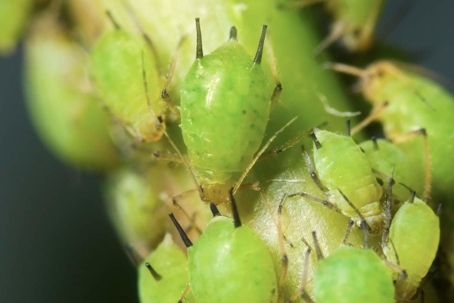
Aphids are plant-feeding bugs that use their needle-like mouthparts (stylets) to pierce plant tissue and suck sap. They are not blood-feeding insects and therefore do not intentionally bite people or pets. However, in rare cases, aphids may accidentally probe human or animal skin under specific conditions.
Aphids are most likely to “bite” or prick people or pets in the following situations:
High Infestation Levels: When large aphid populations are present on outdoor plants, shrubs, or trees, some may crawl onto nearby surfaces, clothing, or exposed skin. Accidental contact may lead to brief probing with their mouthparts.
Handling Infested Plants: Gardeners, landscapers, or homeowners who brush against heavily infested plants or prune affected vegetation might experience small pricks or irritation from aphids attempting to feed but missing their plant targets.
Limited Food Sources: In rare cases, when aphids are dislodged from their host plants and can’t find a suitable replacement, they may attempt to feed on non-plant surfaces—including skin—out of confusion.
Species-Specific Behavior: While most aphids feed strictly on plants, a few species (such as the woolly alder aphid) have been reported to cause mild skin irritation or itching when they land on people in large numbers, though they still do not draw blood or feed.
These incidents are harmless and usually feel like minor pinpricks or mild itching. Aphid “bites” don’t transmit diseases or cause lasting skin reactions. If irritation occurs, washing the area with soap and water and applying a mild anti-itch cream is typically sufficient.
Aphid Bites
Aphid bites themselves pose virtually no medical risk because aphids are not parasitic or blood-feeding insects. They feed exclusively on plant sap, not on people or animals. However, when aphids accidentally probe human or pet skin, a few minor and indirect issues can occur.
Here are the potential risks associated with aphid bites or contact:
Mild Skin Irritation: The most common reaction is slight redness, itching, or a tingling sensation where the aphid’s mouthpart made contact. This happens because the aphid’s saliva may contain mild enzymes meant for breaking down plant tissue, which can irritate sensitive skin.
Allergic Reactions (Rare): In very rare cases, individuals with insect sensitivities may develop localized allergic responses such as small red bumps, itching, or mild swelling. These reactions are typically short-lived and not serious.
Secondary Infection (from Scratching): If a person scratches an irritated area repeatedly, the broken skin can become vulnerable to bacterial infection. This is not caused by the aphid itself but by bacteria entering through the scratch.
Pet Reactions (Minimal Risk): Pets are rarely affected by aphids. An animal brushing against heavily infested plants might experience brief skin irritation, but aphids do not bite or transmit disease to pets.
Confusion with Other Biting Insects: Sometimes, aphid “bites” are mistaken for bites from mosquitoes, mites, or fleas, leading to unnecessary concern. Identifying the true cause helps rule out more serious pests that can transmit disease.
Aphid bites are harmless and self-limiting. Washing the affected area with soap and water and applying an over-the-counter anti-itch cream or hydrocortisone ointment is usually all that’s needed.
What Do Aphid Bites Look Like?
Aphid bites are extremely uncommon and generally mild when they occur, since aphids don’t feed on blood or inject venom. However, if an aphid accidentally probes your skin with its mouthparts, the result can resemble a very small, short-lived irritation rather than a true “bite.”
Here’s what aphid bites typically look like:
Tiny Red or Pink Spots: You might notice one or a few pinpoint-sized red or pink dots on exposed skin, often on the arms, hands, neck, or face—areas that come into contact with infested plants.
Mild Swelling or Raised Bumps: Occasionally, the area may swell slightly or form a tiny raised bump similar to a mild mosquito bite, though it’s much smaller and usually less itchy.
Minimal Itching or Burning: Any discomfort is light and fades within a few hours. In sensitive individuals, the area might itch for a short time but rarely becomes inflamed or blistered.
No Central Puncture or Scabbing: Unlike mosquito or flea bites, aphid bites don’t leave a visible puncture hole or scab, and they don’t cluster in patterns.
Short Duration: Most signs disappear within several hours to a day without treatment.
If you experience irritation after handling aphid-infested plants, simply wash the area with soap and cool water. Applying a mild hydrocortisone or anti-itch cream can help soothe the skin. Persistent or spreading irritation suggests another cause—such as mites, fleas, or an allergic reaction—rather than aphids.
What To Do About Aphid Bites
If you believe you’ve been bitten—or more accurately, pricked—by aphids, there’s no cause for concern. Aphid “bites” are harmless and don’t transmit disease, but mild irritation or itching can occur. Here’s exactly what to do:
Wash the Area Thoroughly: Gently clean the affected skin with soap and cool water to remove any saliva or plant residue that may have transferred from the aphid. This helps reduce irritation and prevent secondary infection.
Soothe the Skin: Apply a cold compress or an ice pack wrapped in a cloth for 5–10 minutes to relieve itching or swelling. This helps calm inflammation and discomfort.
Use an Anti-Itch Product (if needed): If the area remains itchy, apply a mild over-the-counter hydrocortisone cream, calamine lotion, or an antihistamine cream. These products quickly reduce redness and irritation.
Avoid Scratching: Scratching can worsen irritation and increase the risk of a bacterial infection, even from minor abrasions. Keep the area clean and hands off as much as possible.
Monitor the Area: Aphid-related irritation usually fades within a few hours to a day. If redness, swelling, or itching worsens—or if you notice signs of infection such as pus, warmth, or pain—apply an antiseptic and consult a healthcare provider.
If aphids are abundant around your plants, consider washing them off with water, applying insecticidal soap, or contacting a pest control professional for severe infestations. Reducing their numbers helps prevent future encounters.