
How To Get Rid Of Ladybugs
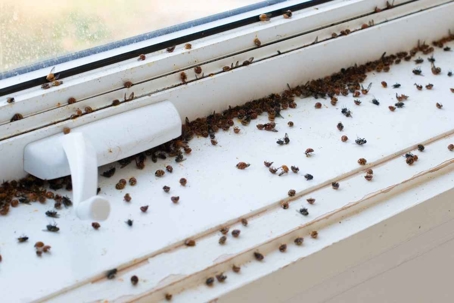
If you’re dealing with an infestation of ladybugs in a home or business, the good news is that while these beetles can be a nuisance when they gather in large numbers, they don’t damage structures, furniture, or food. The key is to focus on prevention, exclusion, and careful removal rather than pesticides, since ladybugs are beneficial outdoors and harsh chemicals are often unnecessary indoors:
- Prevent Entry: Ladybugs usually enter buildings in the fall seeking warmth and shelter. Preventing their entry is the most effective long-term strategy. Carefully inspect windows, doors, siding, foundations, and rooflines, and seal any gaps larger than 1/16 inch using caulk or weatherstripping. Pay special attention to areas around vents, utility pipes, and chimneys. Ensure all window and door screens are intact and repair or replace any damaged mesh. Installing door sweeps at exterior doors creates a tight seal that further blocks entry.
- Reduce Attraction: Ladybugs are drawn to light-colored buildings and sunny, sheltered areas. Reducing factors that attract them can help minimize indoor gatherings. Consider reducing exterior lighting or switching to yellow “bug” lights, which are less appealing to insects. Inside, use shades or curtains to reduce sunlit spots where ladybugs might cluster. Additionally, removing nearby aphid infestations or garden plants that attract ladybugs can help reduce the outdoor population migrating indoors.
- Non-Chemical Removal Indoors: Once ladybugs are inside, the safest approach is capture and removal rather than killing them. Vacuuming is effective—use a regular vacuum with a bag or a handheld vacuum to gently collect ladybugs, then empty the bag outside far from your building. Sticky traps near windows or walls can also capture wandering insects but should be checked frequently. For small infestations, gently sweeping them into a container with a soft brush or by hand allows for safe outdoor release.
- Environmental Controls: Creating less hospitable conditions indoors encourages ladybugs to leave. Ladybugs prefer calm, warm, undisturbed corners, so moving furniture and regularly cleaning baseboards, window sills, and attics can reduce congregation areas. Using fans or slightly lowering indoor temperature can make the environment less attractive, as ladybugs favor warm, dry spaces.
- Optional Chemical Considerations: Indoor pesticides are generally unnecessary because ladybugs are harmless. If chemical treatment is absolutely required, focus on exterior perimeter treatments around foundation cracks rather than spraying indoors. Professional-grade insecticides are better handled by pest control professionals to avoid health risks to occupants and pets.
- Long-Term Strategy: Prevention is ongoing. Inspect buildings before fall temperatures drop, sealing any potential entry points in late summer. Conduct regular maintenance by checking vents, window screens, and attic hatches periodically to prevent reinfestation. Managing nearby gardens to control aphids can also reduce the outdoor ladybug population that may attempt to enter.
The most effective DIY approach combines sealing entry points, removing ladybugs safely if they enter, and adjusting the indoor environment to make it unattractive. Pesticides are generally unnecessary indoors and can create more problems than they solve. With persistence and careful prevention, most homes or businesses can remain ladybug-free without professional intervention.
How To Get Rid Of Ladybugs Fast
If the goal is fast removal of ladybugs that have already entered a home or business, the focus has to be on direct capture and exclusion, because chemical sprays indoors are usually unnecessary and not the fastest or safest method. Here are some of the fastest approaches:
- Vacuuming (Immediate Capture): Vacuuming is the fastest way to remove ladybugs already inside. Use a vacuum with a bag or a handheld unit to collect insects from walls, windows, ceilings, and corners. Immediately empty the vacuum bag outdoors, away from the building, to prevent re-entry. This method works well for large clusters and provides immediate results.
- Sticky or Light Traps: Place sticky traps near windows, light sources, or wall corners where ladybugs congregate. Some ladybug traps are designed for flying insects and can catch dozens overnight. While slower than vacuuming, they are effective for continuous removal and can help capture any stragglers that were missed initially.
- Manual Removal: For smaller clusters or areas where vacuuming is impractical, gently sweep ladybugs into a container using a soft brush or by hand. Release them outdoors. This is especially useful in visible, high-traffic areas and can supplement vacuuming and traps for thorough removal.
- Environmental Encouragement: Ladybugs prefer warm, calm, sunny spots. Altering indoor conditions can encourage them to leave. Use fans or increase airflow in rooms, and slightly lower indoor temperature if feasible. While slower than direct capture, this method helps move wandering ladybugs toward exit points.
- Limited Chemical Options (If Absolutely Necessary): Indoor pesticide sprays are generally not recommended because they pose health risks and often do not significantly speed up removal. Targeted perimeter sprays around doors, windows, and other entry points can prevent reinfestation, but they do not eliminate insects already inside. Professional pest control application is safer and more effective if chemicals are used.
- Quick Exclusion: Seal entry points immediately after removal, including cracks, gaps, vents, and doorways, to prevent new ladybugs from entering while the current population is being removed. Combining exclusion with direct removal ensures that the infestation does not recur.
By combining immediate capture (vacuum/traps) with environmental management and exclusion, you can eliminate most indoor ladybugs within a day or two for small to moderate infestations.
How To Get Rid Of Ladybugs Permanently
Permanently solving a ladybug infestation requires a long-term, integrated approach focused on prevention, exclusion, and reducing conditions that attract them. Ladybugs do not reproduce indoors or cause structural damage, so permanent control is almost entirely about blocking entry and managing the surrounding environment, rather than killing them. Here are some of the most effective long term solutions:
- Sealing and Exclusion (Permanent Barrier): Inspect all potential entry points, including windows, doors, siding, rooflines, vents, utility pipes, and chimneys. Seal any gaps larger than 1/16 inch using high-quality caulk or weatherstripping. Install door sweeps and repair torn screens to ensure doors and windows close tightly. Attic and vent openings should be sealed, as ladybugs often enter through these areas. Properly executed, these measures are the most reliable way to achieve permanent indoor control.
- Seasonal Prevention: Ladybugs typically seek warmth in the fall. Conduct a thorough inspection and reinforce entry points before the first cold snap. Maintain the exterior of the building by repairing siding, trimming overhanging branches, and keeping shrubs away from walls. Adjust outdoor lighting by reducing intensity near entry points or switching to yellow “bug” lights, which are less attractive to insects. These measures reduce the number of ladybugs attempting to enter each year.
- Environmental Management: Ladybugs favor warm, dry, and sunlit indoor spaces. Reducing indoor temperature slightly and increasing airflow discourages them from lingering. Outdoors, controlling aphids and other insects in nearby gardens reduces food sources, decreasing local ladybug populations and the pressure for them to migrate indoors. While environmental management alone won’t remove existing infestations, it supports long-term prevention.
- Safe Removal of Existing Ladybugs: Remove ladybugs already inside using a bagged vacuum or by gently sweeping them into containers for outdoor release. Sticky traps can be placed near windows and corners to catch remaining insects. This step addresses the current infestation but must be combined with exclusion to ensure permanent results.
- Targeted Professional Treatments (Optional): Perimeter sprays or dusts applied around the foundation, doors, and windows can create a chemical barrier that deters re-entry. In severe cases, professionals can treat attics or crawl spaces safely to ensure all entry points are addressed. These treatments are most effective when combined with exclusion measures and are not a standalone solution.
Permanent elimination occurs only when entry points are sealed and reinfestation is prevented. Removing existing ladybugs temporarily is insufficient without physical barriers. The most effective long-term strategy combines thorough exclusion, seasonal prevention, safe removal of current insects, environmental management, and optional professional perimeter treatments. This integrated approach keeps ladybugs out year after year.
How To Get Rid Of Ladybugs Naturally
There are natural, non-chemical methods that can effectively manage and remove ladybugs, but it’s important to understand that these methods work best for indoor infestations when combined with exclusion and environmental management. Outdoors, ladybugs are beneficial insects, so permanent elimination is usually unnecessary. Here are some natural strategies that actually work:
- Physical Removal: Vacuuming with a bag is the fastest natural method for removing ladybugs from walls, windows, and corners. After vacuuming, immediately release the insects outdoors far from your building. For smaller numbers, gently sweep or brush ladybugs into a container for outdoor release. Light-colored sticky traps placed near windows, light sources, and wall corners can also safely capture ladybugs without chemicals. This step is highly effective for indoor infestations and, when combined with exclusion, prevents reinfestation.
- Environmental Management: Ladybugs prefer warm, calm, and sunny areas. Increasing airflow with fans or slightly lowering indoor temperature encourages them to leave. Minimizing sunlight in corners with curtains or shades and removing houseplants that attract insects can further reduce indoor populations. Outdoors, controlling aphids or other pests lowers the local ladybug population, reducing migration into buildings. Environmental management alone is moderately effective but works best when paired with direct removal.
- Natural Repellents: Certain essential oils, such as citronella, clove, citrus, or eucalyptus, can repel ladybugs. Lightly spray diluted oils near windows, doors, and baseboards, avoiding heavy use indoors to prevent unpleasant odors. Food-grade diatomaceous earth can also be sprinkled along entry points like window sills, door thresholds, and attic access. It is generally safe for humans and pets, and discourages crawling insects. These repellents are less effective for removing large populations but can help prevent repeated indoor congregation.
- Seasonal Exclusion: Sealing entry points is the most effective long-term natural solution. Use caulk to fill cracks, install weatherstripping, repair screens, and fit door sweeps to prevent ladybugs from entering. Once all access points are closed, indoor populations naturally decline as existing insects are removed.
A successful natural strategy combines immediate removal with vacuuming, hand capture, or sticky traps; environmental changes to encourage insects to leave; natural deterrents along likely entry points; and permanent exclusion by sealing cracks, gaps, and vents. No single natural method guarantees permanent removal on its own, but combining these steps can significantly reduce or eliminate indoor ladybug infestations.
The Best Way To Get Rid Of Ladybugs
Our professional pest control is the best way to get rid of ladybugs—especially when they invade homes in large numbers—because our trained technicians have the expertise, equipment, and strategies to handle infestations safely, effectively, and permanently. While ladybugs (or Asian lady beetles, which often cause infestations) are not typically harmful, they can become a major nuisance when they gather indoors during cooler months. Here’s why our professional pest control is the superior solution:
- Accurate Identification of the Species: Not all “ladybugs” are the same. Our professionals can distinguish between harmless native ladybugs and invasive Asian lady beetles, which often emit a foul odor, stain surfaces with yellow secretions, and even bite. Proper identification ensures that the right treatment approach is used—something DIY methods often overlook.
- Targeted, Environmentally Responsible Treatments: Our technicians use precise, targeted insecticides and exclusion techniques designed to eliminate these beetles without harming people, pets, or beneficial insects outdoors. Many over-the-counter sprays only kill on contact and fail to address hidden beetles inside walls or attics, leading to recurring problems.
- Comprehensive Inspection and Prevention: Our professionals perform detailed inspections to locate entry points, nesting areas, and overwintering sites. We can identify gaps around siding, windows, vents, and soffits that allow beetles to enter—and then seal or treat those areas to prevent future infestations.
- Safe Removal of Indoor Infestations: When beetles are already inside, vacuuming alone may not solve the issue. Our professionals know how to remove them without spreading allergens, foul odors, or attracting carpet beetles and other secondary pests that feed on dead insects.
- Long-Term Protection and Monitoring: Our professional services don’t just eliminate existing beetles—we provide long-term prevention. Our pest control experts can apply exterior barrier treatments, install screening solutions, and establish a proactive monitoring plan to ensure beetles don’t return the next season.
- Time and Cost Efficiency: DIY efforts often waste time and money on temporary fixes. Our professional pest control eliminates guesswork, ensuring that treatments are applied correctly the first time, saving homeowners from repeated infestations and ongoing frustration.
Our professional pest control offers the expertise, precision, and preventive measures necessary to handle ladybug infestations effectively. With our specialized knowledge of beetle behavior and access to commercial-grade materials, our professionals ensure your home is protected year-round from unwanted invasions.
Get Rid Of Ladybugs With Miche Pest Control
Hiring our team of professionals at Miche Pest Control is an investment in long-term protection, expertise, and peace of mind. Here’s why:
- Personalized Service and Local Expertise: We know the specific pest pressures in the area. Our technicians understand the environment, climate, and building types common to the area, allowing them to provide targeted, effective treatments.
- High-Quality, Comprehensive Solutions: As a full-service provider, we don’t just treat surface problems; we address the root causes. From inspections and prevention to exclusion and ongoing maintenance, we deliver complete, integrated pest management (IPM) programs designed to both eliminate infestations and prevent future ones.
- Accountability and Reliability: We live and die by our reputation. We rely on trust, referrals, and repeat business, meaning we're committed to doing the job right the first time and providing exceptional customer care.
- Faster Response Times: We respond quickly to emergencies and schedule services sooner than large, national chains. Especially when you’re dealing with urgent pest issues, that speed matters.
- Customized Treatment Plans: We tailor our services to your property’s specific needs instead of using one-size-fits-all chemical treatments. This results in safer, more effective pest control that minimizes environmental impact and reduces unnecessary pesticide use.
- Highly Trained, Experienced Technicians: We invest in training, certification, and continuing education for our technicians. We stay current on the latest pest biology, control techniques, and safety standards.
- Long-Term Prevention and Value: Our focus on providing quality service means fewer callbacks, longer-lasting protection, and better value over time. Instead of repeated, temporary fixes, you get strategic solutions that protect your home or business for the long run and provide better peace of mind.
Hiring our team means you get expertise you can trust, faster service, safer and more effective treatments, and long-term results that protect both your property and your peace of mind. Contact us today!