
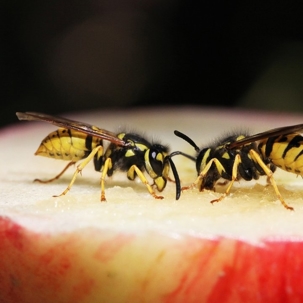
Someone might be interested in using natural wasp repellents for several reasons:
Health and Safety: Natural repellents are often considered safer for humans and pets compared to chemical alternatives, reducing the risk of allergic reactions or toxicity.
Environmental Concerns: Natural repellents are typically biodegradable and eco-friendly, causing less harm to wildlife, plants, and ecosystems.
Sustainability: Many natural repellents are derived from renewable resources, making them a more sustainable choice than synthetic chemicals.
Avoiding Harsh Chemicals: People who prefer to limit their exposure to artificial chemicals or who have sensitivities to such substances may choose natural alternatives.
Effectiveness: Certain natural substances, such as essential oils (e.g., peppermint, citronella), have been found to effectively repel wasps, making them an appealing solution for those seeking a more natural approach to pest control.
Preference for Non-Toxic Solutions: Natural repellents provide peace of mind for those who prioritize non-toxic methods of dealing with pests.
Natural Wasp Repellents
When it comes to natural and non-toxic wasp repellents, there are several options that can be effective in deterring wasps without using harsh chemicals. These methods rely on natural ingredients or scents that are unpleasant to wasps, encouraging them avoid the area. Here are some options you can consider:
Peppermint Oil
Peppermint oil is sometimes reported as a mild, short-term wasp deterrent, but it is not a reliable or standalone control method. Its effect comes from olfactory disruption rather than true repellency in a sustained sense.
Wasps rely heavily on chemical cues (pheromones and environmental odors) for navigation, foraging, and colony communication. Peppermint oil contains compounds like menthol and menthone, which produce a strong, sharp scent that can interfere with these chemical signals. In confined or lightly infested areas, this can temporarily make a location less attractive or disorient individual foraging wasps, causing them to avoid or leave the immediate area. The mechanism is essentially sensory masking and irritation of olfactory receptors, rather than a targeted “repellent” effect that blocks access or deters nesting behavior.
However, the effectiveness is limited for several reasons. First, wasps are highly adaptable and can habituate quickly to non-threatening odors. Second, outdoor environments disperse essential oil vapors rapidly, especially with wind, heat, or sunlight, which significantly reduces any active concentration. Third, peppermint oil does not address the key drivers of wasp presence—food sources (sugars, proteins), nesting sites, and colony establishment behavior—so it has no meaningful impact on established nests.
Where peppermint oil may have some use is as a supplementary deterrent in small, controlled spaces, such as near entryways, outdoor seating areas, or indoor transition zones, where it can slightly reduce foraging activity when combined with other measures like removing food attractants and sealing entry points. Even then, it requires frequent reapplication to maintain any noticeable effect.
Peppermint oil can mildly disrupt wasp behavior due to its strong scent interfering with their chemical perception, but it is best viewed as a temporary, low-impact deterrent—not a dependable control strategy for preventing or eliminating wasps.
Cinnamon Oil
Cinnamon oil is sometimes reported to discourage wasp activity, but like other essential oils, it is not a reliable or standalone control method for preventing nesting or eliminating established colonies.
The effect is mainly driven by its strong chemical components—especially cinnamaldehyde—which produce an intense, spicy odor. Wasps rely heavily on smell for foraging and colony coordination, and strong volatile compounds can temporarily interfere with those cues. In practice, cinnamon oil may cause short-term avoidance or agitation in individual foraging wasps because it creates an unfamiliar and potentially irritating scent environment. This is best understood as olfactory disruption and mild repellency, not a targeted biological control effect.
However, its limitations are significant. Outdoor air movement disperses the active compounds quickly, reducing effectiveness within a short period. Wasps also habituate quickly to non-threatening odors, especially if food sources (sugars, protein residues, trash, or outdoor dining areas) remain present. Most importantly, cinnamon oil does not affect nesting behavior or colony establishment, so it will not prevent wasps from building nests in wall voids, eaves, shrubs, or other sheltered locations.
Where it may have some limited use is as a supplemental deterrent in small, localized areas, such as near patios, doorways, or seating areas, when combined with stronger control measures like sealing entry points, removing food attractants, and eliminating nesting sites. Even then, it requires frequent reapplication to maintain any noticeable effect.
Cinnamon oil can create a temporary sensory deterrent due to its strong volatile compounds, but it does not provide consistent or long-term wasp control and should be considered only a minor adjunct to proper habitat management and exclusion.
Citronella
Citronella can sometimes reduce wasp activity in a limited, short-term way, but it is not a dependable or effective control method for preventing or eliminating wasps.
Its effect comes from volatile compounds in citronella oil—mainly citronellal, citronellol, and geraniol—which produce a strong, lemony scent. Wasps rely heavily on smell to locate food sources and navigate their environment. In some situations, these strong plant-based odors can interfere with olfactory cues, making it harder for individual foraging wasps to orient toward an area. This can lead to brief avoidance or reduced lingering in the immediate vicinity.
However, this effect is weak and highly situational. Outdoors, citronella evaporates and disperses quickly, especially with wind, heat, and sunlight, which rapidly reduces its concentration below any meaningful level. Wasps also habituate quickly to non-threatening odors if food remains available. Most importantly, citronella does not affect nesting behavior, colony establishment, or defensive activity, so it will not prevent wasps from building nests in eaves, wall voids, shrubs, or other protected areas.
Where citronella has limited usefulness is as a temporary, localized deterrent in small areas, such as patios or outdoor seating spaces, especially when combined with stronger measures like removing sugary foods, sealing trash, and eliminating nesting sites nearby. Even then, it requires frequent reapplication and is easily overridden by attractants like drinks, fruit, or garbage.
Citronella works only as a mild, short-lived sensory disruptor, not a reliable wasp control tool. Effective management still depends on eliminating food sources, preventing nesting sites, and sealing entry points, rather than relying on scent-based repellents.
Clove Oil
Clove oil can temporarily discourage wasp activity, but it is not a dependable or long-term repellent for control purposes.
Its effect comes mainly from eugenol, the primary active compound in clove oil. Eugenol has a strong, pungent odor that can interfere with insect sensory perception. Wasps rely heavily on chemical signals for foraging and navigation, and high concentrations of strong aromatic compounds can cause avoidance behavior or disorientation in individual foragers. In practice, this means clove oil may cause wasps to briefly avoid a treated area or become less willing to linger nearby.
However, this effect is limited and short-lived. Outdoors, the volatile compounds in clove oil evaporate and disperse quickly, especially with heat, wind, or sunlight. Once the concentration drops, wasps resume normal activity. It also does not impact nesting behavior, colony establishment, or reproduction, which are the real drivers of persistent wasp problems. Established colonies will not abandon a nest due to scent alone.
Where clove oil has some limited value is as a supplemental deterrent in small, controlled spaces, such as patios, doorways, or indoor transition areas, particularly when paired with stronger measures like removing food attractants, covering garbage, and eliminating nesting sites. Even then, it requires frequent reapplication to maintain any noticeable effect.
Clove oil works by briefly overwhelming wasp sensory detection due to its strong eugenol content, but it functions only as a short-term behavioral irritant, not a reliable method for prevention or control.
Eucalyptus Oil
Eucalyptus oil can sometimes reduce wasp activity temporarily, but it is not a reliable or standalone repellent for control or prevention.
Its effect is tied to compounds such as eucalyptol (1,8-cineole), which produce a strong, penetrating odor. Wasps depend heavily on chemical cues for locating food sources and orienting around their environment. When exposed to high concentrations of strong volatile oils like eucalyptus, their sensory systems can become disrupted or overstimulated, leading to short-term avoidance of the area. In practical terms, this is less a true “repellent effect” and more an olfactory interference response that may make individual foraging wasps less likely to linger.
That effect, however, is short-lived and highly situational. Outdoor conditions such as wind, heat, and sunlight cause eucalyptus oil to evaporate and disperse quickly, reducing its concentration below effective levels. Wasps also readily habituate to non-threatening odors, especially when food sources (sugars, protein residues, trash, or outdoor dining areas) remain available nearby. Importantly, eucalyptus oil does not influence nesting behavior or colony development, which means it will not prevent wasps from building or maintaining nests in protected areas like eaves, wall voids, or shrubs.
Where it may have limited usefulness is as a temporary, localized deterrent in small areas such as patios, entryways, or indoor transition zones, particularly when combined with more effective measures like removing attractants, sealing entry points, and eliminating nesting sites. Even then, it requires frequent reapplication and works inconsistently.
Eucalyptus oil can briefly disrupt wasp behavior due to its strong volatile compounds, but it functions only as a short-term sensory deterrent, not a dependable method for wasp prevention or control.
Lemon Oil
Lemon oil can briefly reduce wasp activity in very limited situations, but it is not a reliable or long-term repellent.
Its effect comes from volatile compounds such as limonene, which produce a strong citrus scent. Wasps rely heavily on chemical signals to locate food sources and navigate. In some cases, strong citrus odors can interfere with olfactory cues, making it harder for individual foraging wasps to orient toward an area. This can lead to short-term avoidance or reduced lingering, especially in small, enclosed or low-wind spaces.
However, the effect is weak and highly temporary. Outdoors, lemon oil evaporates and disperses quickly, and environmental factors like wind, heat, and sunlight further reduce its concentration. Wasps also prioritize food availability (sugars, proteins, and accessible waste) over mild scent deterrents, so they will readily return if attractants remain nearby. Importantly, lemon oil does not affect nesting behavior or colony establishment, meaning it will not prevent wasps from building or maintaining nests in sheltered areas.
Where lemon oil may have limited usefulness is as a supplemental deterrent in small areas, such as patios or entryways, especially when combined with more effective measures like removing food sources, sealing trash, and eliminating nearby nesting sites. Even then, it requires frequent reapplication and is easily overridden by even small food attractants.
Lemon oil works only as a short-lived sensory disruptor, not a dependable wasp control method. Long-term results come from eliminating food sources and nesting opportunities, not relying on scent-based repellents.
Vinegar
Vinegar can slightly discourage wasps in limited, short-term situations, but it is not a dependable repellent or control method on its own.
The effect comes mainly from acetic acid, which gives vinegar its sharp, sour odor. Wasps rely heavily on scent cues to locate food sources (especially sugars and proteins) and to orient around their environment. Strong, acidic smells like vinegar can mask attractive odors or create an unfavorable sensory environment, which may cause individual foraging wasps to avoid a small area temporarily.
However, this is a weak and inconsistent effect. Outdoors, vinegar’s volatile compounds disperse quickly in air, especially with wind and heat, so any deterrent effect fades rapidly. It also does not impact nesting behavior, colony establishment, or territorial defense, meaning wasps will not abandon a nest or stop building because of vinegar exposure. If food sources are present nearby—trash, drinks, fruit, grills, or pet food—wasps will generally ignore the odor and continue foraging.
Where vinegar can have limited usefulness is as a supportive, localized deterrent, such as wiping surfaces around outdoor dining areas or mixing diluted solutions for short-term cleaning of attractant residues (like sugary spills). In those cases, it helps more by removing attractants and masking residual odors than by actively repelling wasps.
Vinegar works only as a mild, temporary olfactory disruptor. It does not provide consistent wasp control, and effective management still depends on removing food sources, eliminating nesting sites, and sealing access pointsrather than relying on scent-based deterrents.
Cucumber
Cucumber is sometimes mentioned as a natural wasp deterrent, but there is no strong scientific evidence that it reliably repels wasps or affects nesting behavior in a meaningful or consistent way.
The idea comes from the fact that cucumbers contain bitter-tasting compounds called cucurbitacins, especially in the peel and stems. These compounds can be unpleasant to some insects in certain contexts, and there are laboratory observations suggesting that extracts from cucumber rind may cause mild avoidance behavior in some pest insectsunder controlled conditions. However, wasps are highly adaptable foragers, and their behavior is driven far more by food availability (sugars and proteins), nesting opportunities, and colony needs than by weak plant-derived odors.
In real-world conditions, cucumber slices placed outdoors release only low concentrations of volatile compounds, which disperse quickly and do not create a strong or persistent scent barrier. Wasps may briefly investigate or ignore the area entirely, depending on whether attractive food sources are present. Importantly, cucumber has no effect on established nests, colony survival, or territorial defense, which are the main factors driving wasp presence around homes and businesses.
Where cucumber might appear to “help” is in very narrow, indirect situations—such as on a table where food residues are also being minimized—but even then, any effect is typically short-lived and inconsistent, and easily overridden by even small food attractants like sugary drinks or exposed trash.
Cucumber does not function as a reliable wasp repellent. Any perceived effect is likely due to minor, temporary avoidance of plant compounds rather than a true behavioral deterrent, and it does not replace practical control methods like removing food sources, covering waste, and eliminating nesting sites.
Garlic
Garlic is often suggested as a natural wasp deterrent, but in practice it is not a reliable or consistently effective repellent.
The idea behind it comes from sulfur-containing compounds in garlic, especially allicin and related volatile sulfur compounds, which produce a strong, pungent odor. In theory, these compounds can create an unpleasant sensory environment for some insects by overpowering or masking chemical cues they use for foraging and navigation. In controlled or very confined situations, that strong smell may cause brief avoidance behavior in individual wasps.
In real-world outdoor conditions, however, garlic’s effectiveness drops sharply. The volatile compounds disperse quickly in air, and wind, heat, and sunlight further reduce any concentration that might influence insect behavior. Wasps are also highly motivated by resource availability, meaning that access to sugars, proteins, and nesting sites will typically override mild odor-based deterrence. As a result, garlic does not prevent nesting, does not disrupt established colonies, and does not reliably keep foraging wasps away from food sources.
Where garlic might have limited, indirect usefulness is in small, localized areas where it is part of broader sanitation efforts, such as cleaning surfaces to remove food residues. In those cases, any perceived effect is usually due more to removal of attractants and masking of residual odors than true repellency.
Garlic can produce a strong scent that may briefly discourage some wasp activity in very limited conditions, but it does not function as a dependable deterrent or control method. Effective wasp management still depends on removing food attractants, sealing nesting sites, and eliminating established colonies, not scent-based home remedies.
DIY Wasp Nests (Decoy Nests)
Decoy nests can sometimes reduce wasp activity, but their effectiveness is inconsistent and situation-dependent.
The idea is based on wasps’ territorial behavior. Many social wasps are protective of nesting sites and may avoid building a nest too close to what they perceive as an existing colony, especially in species that space nests out to reduce competition. A decoy nest—usually a paper bag or fabric structure shaped like a wasp nest—is intended to mimic the appearance of an established colony. In theory, this can signal to scouting wasps that the area is already “occupied,” prompting them to choose a different location.
In practice, however, the effect is limited and unreliable. It works best in certain species and in early-season scouting phases when queens are still selecting nesting sites. Even then, success varies widely. Once wasps begin actively building nests nearby or have strong food sources in the area, decoy nests generally have little influence. They do not affect established colonies, and they do not override strong attractants like accessible food, sheltered voids, or warm protected nesting spots.
Environmental conditions also matter. Decoy nests are typically more effective in low-pressure environments where wasp populations are light and competition for nesting sites is high. In areas with heavy wasp activity or abundant resources, their impact tends to be negligible.
Where decoy nests may have some value is as part of a broader preventative strategy, especially in early spring, when combined with habitat management such as removing food attractants, sealing entry points, and eliminating sheltered nesting locations under eaves, decks, or soffits.
Decoy nests work by exploiting wasp territorial instincts and the appearance of occupancy, but they are best viewed as a mild, preventive deterrent with variable results, not a dependable method for controlling wasps on their own.
By using these natural and non-toxic methods, you can effectively deter wasps without resorting to harmful chemicals. Be consistent with application, especially during the warmer months when wasp activity is higher.
Professional Wasp Control Services
While natural wasp repellents can be effective for deterring wasps in some situations, there are circumstances where hiring our professional wasp exterminators may be necessary. Here are some scenarios where it might make more sense to call in our team of experts:
Large or Aggressive Wasp Nest
- Significant Nest Size: If the wasp nest is large or has grown significantly over time, it can be challenging and potentially dangerous to manage on your own. Professionals have the tools, experience, and safety equipment necessary to safely remove large nests.
- Aggressive Wasps: Some species of wasps, such as yellow jackets and hornets, can be highly aggressive when disturbed. If the nest is near a high-traffic area, like a backyard, patio, or pathway, attempting to remove it yourself could lead to multiple stings or provoke the wasps into attacking. Our professionals will know how to approach the nest safely.
Nests in Hard-to-Reach Locations
- Difficult Locations: If the nest is located in a hard-to-reach place (e.g., in the roof of your house, in the walls, or in a high tree), it can be dangerous to attempt a wasp nest removal on your own without the proper tools and experience.
- Structural Nests: Wasps may build their nests inside walls or other structural cavities, where access is not easy. If you attempt to use sprays or traps in such locations, it may not be effective, and you could potentially damage your property. Our professionals are equipped to safely access these locations without causing harm to the structure.
Persistent or Recurring Infestations
- Recurrent Problems: If wasps continue to return each year to the same spot or build multiple nests around your property, it might be a sign of a more significant infestation issue that needs to be addressed at the source. Our professionals can locate the underlying cause of recurring wasp activity and take the necessary steps to eliminate the problem for good.
- Multiple Nests: In some cases, you may have multiple wasp nests on your property or even a whole swarm that is difficult to manage with DIY repellents. Our professional exterminators can locate and treat all nests effectively.
Severe Allergic Reactions or Health Concerns
- Allergies to Stings: If you or someone in your household is allergic to wasp stings, attempting to deal with a nest yourself can be extremely dangerous. Even if you aren't allergic, getting stung by an aggressive swarm can result in severe reactions. In these cases, it's safer to leave the job to our professionals, who are trained to handle the situation without putting anyone at risk.
- Vulnerable Individuals: If there are young children, elderly family members, or others with compromised immune systems, the presence of wasps can pose a significant health risk. Our exterminators can take care of the infestation while keeping the family safe.
Time Constraints and Convenience
- Lack of Time or Resources: If you don't have the time to apply and maintain natural repellents consistently, or if you don't have the materials needed to deal with the problem, hiring our professionals can save you significant time and effort. Our professionals will quickly assess the situation, take action, and eliminate the problem efficiently.
- Immediate Threat: If you have an immediate issue with wasps, such as a nest near your home’s entrance or a public space where people are at risk, our professionals can often address the situation much faster than you could with DIY methods.
Wasp Species Identification
- Unknown or Dangerous Species: Not all wasps are the same, and some species can be more dangerous than others. For instance, yellow jackets and hornets are much more aggressive than other wasp species. If you're unsure about the species you're dealing with or if it's a particularly dangerous species, our professionals can identify it and take the proper precautions to handle the nest safely.
- Species-Specific Knowledge: Different species of wasps have different behavior patterns and nesting preferences. Our professional exterminators have the expertise to identify the species and apply the most effective method of control.
Risk of Property Damage
- Risk to Property: When dealing with wasp nests in the walls, ceilings, or roofs of your home, there is a risk of structural damage if the situation is mishandled. Our professionals have the necessary tools and techniques to remove the nests without causing damage to the property.
- Chemical Safety: Some DIY methods, like sprays or traps, might pose risks if not applied correctly, potentially leading to accidental chemical exposure. Our professional exterminators use commercial-grade equipment and products designed for safety and effectiveness, reducing the risk of harm to you, your pets, or your home.
Legal and Environmental Considerations
- Legal Restrictions: In some areas, there may be laws or regulations that restrict the use of certain pesticides or require the professional handling of wasp infestations. Our professional exterminators will be aware of these regulations and can handle the situation in compliance with the law.
- Environmental Concerns: If you’re concerned about the environmental impact of removing wasps, our professional exterminators offer eco-friendly options. We can also advise on how to prevent future infestations in a way that is sensitive to the local ecosystem.
While natural repellents and DIY methods can be effective for minor wasp problems, hiring our professional wasp exterminators is often the safer, more effective option for larger infestations, aggressive wasp species, nests in difficult-to-reach locations, and situations involving health risks or structural concerns. Our professionals bring expertise, experience, and the right equipment to handle wasp problems swiftly and safely, minimizing risk to both people and property.