
How To Get Rid Of Drain Flies
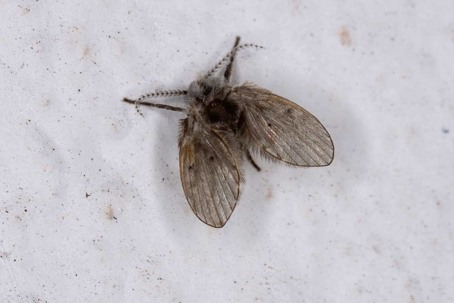
Getting rid of drain flies (also known as moth flies or sewer gnats) can be tricky because the adults you see are only a symptom—the real problem is the organic buildup inside drains where they breed. For a homeowner or business owner trying to eliminate these small flies on their own, the best approach is a combination of cleaning, prevention, and monitoring:
Identify and confirm the source. Begin by determining whether the insects are truly drain flies by looking for fuzzy, moth-like flies hovering near sinks, floor drains, or other moisture-heavy plumbing fixtures. Once confirmed, pinpoint the exact drain or organic buildup site where they breed. This step matters because eliminating the breeding zone—not just the visible adults—is what stops the infestation.
Physically clean the drain interior. Remove any debris caught in the drain strainer, then use a stiff brush or flexible plumbing brush to scrub the inside walls of the pipe as far down as the brush can reach. This breaks up the gelatinous film of rotting organic matter where drain fly larvae feed. Manual cleaning is far more effective than pouring chemicals alone.
Flush the cleaned drain thoroughly. After scrubbing, pour several quarts of very hot (not boiling) water down the drain to wash away loosened residue. The goal is to push broken-down sludge far enough down the line that it no longer supports larval development. This step should be repeated daily for several days if buildup was heavy.
Apply a biological drain treatment. Use an enzyme or bacterial drain gel formulated to digest organic matter. These products coat the interior of the drain and consume the remaining film the brush cannot reach. Apply the gel at night when drains will not be used, allowing the microbes to work uninterrupted. Continue treatment daily for 5–7 days for full effectiveness.
Eliminate moisture pockets beyond the drain. Inspect areas around dishwashers, garbage disposals, floor drains, sump pits, and HVAC condensate lines for slime or stagnant water. Clean and dry these sites because drain flies can breed anywhere organic moisture accumulates. Addressing secondary sources prevents reinfestation even after the primary drain is treated.
Control adult flies while the breeding site is being eliminated. Use glue traps positioned near the affected drain to capture active adults and monitor progress. While traps do not resolve the root cause, they reduce annoyance and help confirm that adult populations are declining as the breeding environment disappears.
Maintain a long-term prevention routine. Once cleared, keep drains free of buildup by periodically using enzyme treatments, avoiding disposal of grease or food scraps down sinks, and flushing infrequently used drains with hot water weekly. Consistent maintenance keeps organic film from returning and prevents future drain fly problems.
The best DIY way is to identify the breeding drain, scrub it thoroughly, use enzyme-based cleaners to remove buildup, and kill adults with traps or vacuuming. Consistency is key, since eggs and larvae can survive if even a little buildup is left behind.
How To Get Rid Of Drain Flies Fast
Aggressive mechanical cleaning of the drain’s breeding zone. The fastest measurable results come from physically removing the organic sludge that supports larvae. Using a drain brush or auger to scrape the pipe walls and the underside of the drain cover eliminates the majority of the habitat immediately. When done thoroughly, adult activity often begins dropping within 24–48 hours because new larvae cannot mature.
High-volume hot-water flushing immediately after cleaning. Sending several quarts of hot (not boiling) water through the line helps push loosened debris out of the upper section of the drain, denying larvae any remaining pockets of fermenting material. This flush accelerates the wipeout of the breeding zone and shortens the overall elimination timeline.
Nightly application of an enzyme or bacterial drain gel. Biological gels break down the microscopic film that brushing cannot reach and continue working for hours while water flow is minimal. Because these products digest organic buildup instead of merely shifting it, they eliminate residual larval food faster than chemical drain cleaners and dramatically shorten the time to full suppression.
Targeted treatment of secondary moisture reservoirs. Speed depends on addressing every breeding site at once. Cleaning and drying areas such as garbage disposals, dishwasher discharge lines, floor drains, and HVAC condensate drains prevents surviving larvae from reestablishing elsewhere. Handling all potential sources simultaneously is critical for the quickest results.
Short-term reduction of adult populations with traps or vacuums. While this does not solve the root cause, removing adults with glue traps or a handheld vacuum minimizes breeding while the drain is being treated. This accelerates overall elimination because it limits the number of eggs that can be laid during the cleanup process.
Daily repetition until adult activity ceases. The fastest total elimination comes from combining mechanical cleaning, enzyme treatment, moisture removal, and adult reduction every day until no flies appear for several consecutive days. Maintaining this compressed schedule prevents any part of the life cycle from continuing, driving the infestation to zero as rapidly as possible.
How To Get Rid Of Drain Flies Permanently
Thorough removal of all organic buildup inside drains. Permanent elimination starts with a full mechanical cleaning of every affected drain. Scrubbing the interior walls, P-trap, and underside of the drain cover removes the sludge layer that drain fly larvae depend on. When the physical habitat is gone, the insects have no place to reproduce again.
Ongoing enzyme-based maintenance treatments. After the initial cleaning, using a high-quality biological drain gel on a regular schedule ensures that new organic film never has the chance to form. These products digest residue before it can accumulate, preventing the reestablishment of larval food sources and keeping lines permanently uninhabitable.
Correction of moisture problems beyond the drain. Long-term success requires eliminating any other damp pockets that can serve as breeding sites. This includes cleaning floor drains, servicing HVAC condensate lines, clearing garbage disposal splash guards, and ensuring sump areas or dishwasher discharge points remain free of slime. Addressing these secondary sources closes off alternative habitats.
Repairs to damaged or slow-draining plumbing. Standing water, partial blockages, loose drain caps, cracked pipes, and leaking traps can all create hidden breeding pockets. Restoring proper drainage and fixing structural issues prevents slow-moving water from depositing organic material, reducing the chances of drain flies returning.
Strict avoidance of grease and food waste in sinks. Permanent control depends on changing the conditions that allowed buildup to develop in the first place. Keeping fats, oils, coffee grounds, and food particles out of drains drastically reduces the organic load that fuels infestations, making the plumbing system far less inviting.
Consistent preventative flushing and sanitation. Periodically running hot water through seldom-used drains, cleaning splash guards, wiping sink rims, and sanitizing drain openings prevent the slow accumulation of residue over time. Routine hygiene discourages regrowth of biofilm and secures long-term control.
Monitoring for early signs and responding promptly. Permanent elimination is maintained by catching any new activity at the earliest stage. Placing a few glue monitors near key drains or checking for larvae during monthly cleanings helps detect issues before they become infestations. A quick response stops future problems from developing.
How To Get Rid Of Drain Flies Naturally
Deep mechanical cleaning with basic household tools. The most effective natural solution is physically removing the slime layer inside the drain using a stiff brush or flexible drain wand. No chemical is as reliably “natural” and effective as manually eliminating the breeding substrate. Once the biofilm is gone, larvae cannot survive.
Hot-water flushing to clear loosened debris. Pouring several quarts of very hot tap water (not boiling) down the drain helps wash away residue after brushing. This method relies only on heat and water yet significantly reduces organic buildup and speeds the collapse of the breeding site.
Enzyme-based biological drain cleaners. These are natural, microbe-driven products that digest organic matter without synthetic chemicals. When applied nightly for several days, they break down biofilm in places brushes cannot reach. This approach is one of the strongest “natural” treatments because it removes the larval food source rather than masking the problem.
Baking soda and vinegar flushes for mild buildup. While not as potent as mechanical cleaning or enzymes, the fizzing reaction can help dislodge light residue in upper drain sections. This works best as part of a routine maintenance cycle rather than as a stand-alone solution for significant infestations.
Cleaning and drying surrounding moisture zones. Wiping down sink edges, cleaning garbage disposal splash guards with natural dish soap, clearing around floor drains, and drying any area where organic moisture collects prevents secondary breeding sites. These simple steps, using only soap, water, and airflow, reduce the risk of reestablishment.
Natural adult fly suppression using traps. Sticky traps or homemade apple cider vinegar traps help reduce adult populations while the breeding site is being eliminated. This does not solve the root cause but lowers reproduction pressure without resorting to pesticides.
Routine preventative maintenance. Regular hot-water flushes, occasional enzyme treatments, and weekly cleaning of splash guards and drain openings keep organic matter from rebuilding. Prevention rooted in simple, natural hygiene practices is the key to long-term, chemical-free control.
The Best Way To Get Rid Of Drain Flies
Our professional pest control is the most effective way to eliminate drain flies because these pests are often a symptom of a larger sanitation or plumbing issue that homeowners or business owners may not fully address on their own. While DIY methods can provide temporary relief, our professionals bring expertise, specialized equipment, and proven treatments that ensure the infestation is eliminated at its source. Here’s why hiring our experts is the best solution:
Accurate Source Identification
Drain flies don’t only breed in obvious sink drains—they can also come from floor drains, cracked pipes, grease traps, sump pits, or even hidden wall leaks.
Our pest control technicians know how to conduct thorough inspections, use traps, and detect less obvious breeding sites that DIY efforts might overlook.
Specialized Cleaning & Treatments
Our professionals use industrial-grade bio-enzymatic drain gels, foaming agents, and flushing systems that penetrate deep into drain lines, coating every surface to break down organic matter where flies lay eggs.
These products are stronger, longer-lasting, and more effective than retail cleaners.
Addressing Hidden Plumbing Issues
Many drain fly infestations are tied to damaged or leaking pipes, which create breeding sites homeowners can’t access. We often work alongside plumbers to locate and correct these hidden problems, ensuring flies don’t return.
Integrated Pest Management (IPM)
Our professionals won’t just “kill the flies.” We develop a comprehensive plan: cleaning drains, applying targeted treatments, removing adult drain flies, and recommending long-term sanitation and maintenance practices to prevent re-infestation.
Fast, Reliable Results
DIY methods often take weeks and require repeated treatments. Our professional services dramatically shorten the timeline, quickly restoring sanitary conditions—especially critical for businesses, restaurants, healthcare facilities, and other customer-facing environments.
Our professional pest control is the best way to get rid of drain flies because our experts find the breeding sites, use advanced products and methods, resolve underlying plumbing issues, and deliver long-term prevention strategies. This guarantees a more thorough, lasting solution compared to trial-and-error DIY attempts.
Get Rid Of Drain Flies With Miche Pest Control
Hiring our team of professionals at Miche Pest Control is an investment in long-term protection, expertise, and peace of mind. Here’s why:
- Personalized Service and Local Expertise: We know the specific pest pressures in the area. Our technicians understand the environment, climate, and building types common to the area, allowing them to provide targeted, effective treatments.
- High-Quality, Comprehensive Solutions: As a full-service provider, we don’t just treat surface problems; we address the root causes. From inspections and prevention to exclusion and ongoing maintenance, we deliver complete, integrated pest management (IPM) programs designed to both eliminate infestations and prevent future ones.
- Accountability and Reliability: We live and die by our reputation. We rely on trust, referrals, and repeat business, meaning we're committed to doing the job right the first time and providing exceptional customer care.
- Faster Response Times: We respond quickly to emergencies and schedule services sooner than large, national chains. Especially when you’re dealing with urgent pest issues, that speed matters.
- Customized Treatment Plans: We tailor our services to your property’s specific needs instead of using one-size-fits-all chemical treatments. This results in safer, more effective pest control that minimizes environmental impact and reduces unnecessary pesticide use.
- Highly Trained, Experienced Technicians: We invest in training, certification, and continuing education for our technicians. We stay current on the latest pest biology, control techniques, and safety standards.
- Long-Term Prevention and Value: Our focus on providing quality service means fewer callbacks, longer-lasting protection, and better value over time. Instead of repeated, temporary fixes, you get strategic solutions that protect your home or business for the long run and provide better peace of mind.
Hiring our team means you get expertise you can trust, faster service, safer and more effective treatments, and long-term results that protect both your property and your peace of mind. Contact us today!