
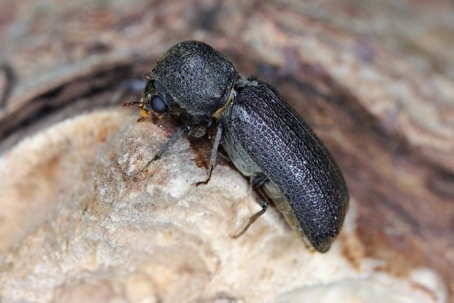
Powderpost Beetle Damage
Powderpost beetles can cause significant structural and aesthetic damage to both residential and commercial properties, particularly those with exposed wood. The larvae of these beetles bore deep into wood surfaces, consuming the cellulose and starch inside, which weakens the internal structure over time. Below is a detailed breakdown of the types of damage they can cause:
Structural Damage
Weakened wood integrity: As larvae tunnel through wooden beams, joists, flooring, and furniture, they create a network of internal galleries that reduce the wood’s strength. Over time, this can lead to sagging floors, warped boards, or compromised support structures.
Progressive deterioration: Unlike termites, powderpost beetles typically target dry, seasoned wood, meaning the infestation often develops slowly but persistently. If left untreated, infestations can persist for years, continually eroding the interior of the wood.
Cosmetic and Surface Damage
Exit holes: When adult beetles emerge from the wood, they leave behind small, round exit holes (typically 1/32 to 1/16 inch in diameter). These tiny holes often appear in clusters and are a telltale sign of infestation.
Powdery frass: Fine, talcum-like wood powder—known as frass—collects beneath or around infested wood as adults exit. This powder is lighter and finer than sawdust, signaling active beetle activity.
Discoloration and texture changes: Repeated emergence holes can mar the appearance of hardwood floors, furniture, trim, and paneling, making the surface look pitted or uneven.
Damage to Specific Materials
Hardwoods: Powderpost beetles commonly infest hardwoods such as oak, ash, hickory, cherry, and maple—materials often used in flooring, furniture, and cabinets.
Softwoods (less common): Some species, like the false powderpost beetle, can also infest softwoods used in framing or structural components.
Antique and unfinished wood: Older or unfinished wooden items are especially vulnerable since unsealed pores allow beetles to deposit eggs directly into the wood grain.
Long-Term Risks
Hidden infestations: Because the damage occurs inside the wood, infestations often go unnoticed until structural problems or visible holes appear.
Reinfestation cycles: If moisture conditions remain favorable and the wood isn’t properly sealed or treated, adult beetles can reinfest the same material generation after generation.
Powderpost beetles can silently and steadily degrade both the strength and appearance of wood structures, potentially leading to costly repairs or replacements if not addressed promptly.
What Does Powderpost Beetle Damage Look Like?
Powderpost beetle damage has a very distinct appearance that sets it apart from other types of wood-destroying insects. The damage they cause is often subtle at first but becomes increasingly noticeable as the infestation progresses. Here is what powderpost beetle damage looks like and how to identify it accurately:
Tiny, Round Exit Holes
Appearance: Small, circular holes about 1/32 to 1/16 inch in diameter (roughly the size of a pinhead or smaller).
Texture: Clean, smooth-edged holes created by adult beetles emerging from the wood after completing their life cycle.
Pattern: The holes often appear in clusters or scattered across the wood surface, giving the appearance of “shot holes” or light pitting.
Common locations: Hardwood flooring, wooden beams, antique furniture, trim, or cabinetry.
Fine, Powdery Frass (Wood Dust)
Appearance: A light, flour-like or talcum powder–textured dust found beneath or around the exit holes.
Color: Usually light beige to off-white but can vary depending on the wood type.
Consistency: Frass from powderpost beetles is much finer than sawdust from carpenter ants or the gritty pellets from termites.
Significance: Fresh, powdery frass indicates active beetle emergence and a continuing infestation.
Internal Tunneling and Hollowed Wood
Hidden damage: Beneath the surface, larvae create an intricate network of tunnels and galleries as they feed on the starches inside the wood.
Surface signs: Over time, these internal tunnels may cause the wood to feel soft, spongy, or thin when pressed.
Breakage: If the surface layer is broken or sanded, the interior may appear powdery or packed with frass, a clear sign of internal damage.
Pitted or Flaky Surfaces
Appearance: Over time, wood surfaces can look uneven, pitted, or “peppered” with small holes.
Progression: With continued infestation, the wood may crumble easily or shed a fine powder when disturbed.
Vulnerable items: Exposed hardwood flooring, molding, furniture legs, and unfinished or antique wood items.
Evidence by Wood Type and Location
Hardwoods: Look for damage in oak, ash, hickory, walnut, maple, and cherry—common targets for true powderpost beetles.
Softwoods: False powderpost beetles may attack pine or fir, often found in structural timbers or paneling.
High-risk areas: Basements, crawl spaces, attics, and garages where humidity is elevated and wood remains unfinished or unsealed.
How to Distinguish from Other Insects
Carpenter ants leave larger, irregular holes and coarse sawdust (not fine powder).
Termites create mud tubes and leave behind clumpy, pellet-like droppings rather than smooth powder.
Powderpost beetles leave perfectly round holes and fine, silky frass — the most refined texture of all wood pests.
Powderpost beetle damage typically appears as clusters of tiny round holes surrounded by fine, silky powder on or beneath wood surfaces. The real destruction, however, happens inside the wood, where larvae hollow it out over time, potentially compromising structural strength and visual integrity.
Where Is Powderpost Beetle Damage Found?
You are most likely to find powderpost beetle damage in areas where wood is unfinished, unsealed, or exposed to humidity, as these conditions are ideal for egg-laying and larval development. These beetles prefer seasoned hardwoods with open pores that allow females to deposit eggs directly into the grain. Below is a comprehensive breakdown of where powderpost beetle damage most often appears in both homes and businesses:
Structural Wood and Framing
Locations: Beams, joists, studs, subfloors, and rafters in attics, crawl spaces, or basements.
Why: These areas typically contain older, untreated, or unsealed wood with higher moisture levels—perfect conditions for infestation.
What to look for: Clusters of small round holes and fine frass accumulating on floors or insulation below the infested wood.
Hardwood Flooring
Locations: Oak, ash, or maple flooring in living areas, hallways, or offices.
Why: Powderpost beetles favor the tight grain of hardwood floors, especially if they were not properly sealed after installation.
What to look for: Pitted or peppered flooring surfaces with pin-sized holes; fine, silky powder may appear in gaps or along floorboards.
Furniture and Cabinetry
Locations: Antique or unfinished furniture, shelving, dressers, tables, and kitchen cabinets.
Why: Furniture often contains seasoned hardwoods like oak, cherry, or walnut that retain residual starch, which attracts larvae.
What to look for: Exit holes on the undersides, backs, or hidden joints of furniture and light accumulations of powder on surfaces beneath the pieces.
Decorative Wood and Trim
Locations: Baseboards, crown molding, window and door frames, and exposed beams.
Why: These finished carpentry components are often overlooked during sealing or refinishing, leaving small sections vulnerable to infestation.
What to look for: Fine dust on window sills or floor edges, or small holes in decorative trim, particularly in damp or poorly ventilated rooms.
Attics and Crawl Spaces
Locations: Exposed rafters, trusses, stored lumber, and wooden storage shelving.
Why: These areas often have high humidity and temperature fluctuations that promote beetle activity and egg survival.
What to look for: Light dusting of frass beneath rafters or beams, especially in low-traffic, rarely cleaned areas.
Basements and Garages
Locations: Workbenches, tool handles, wooden shelving, and stored wood materials.
Why: Powderpost beetles are drawn to raw or unfinished wood, particularly in environments with sustained moisture levels.
What to look for: Fresh frass near wood piles, lumber stacks, or along the base of wooden walls.
Antique and Imported Wood Items
Locations: Furniture, picture frames, sculptures, or decorative wood pieces acquired from older homes, estate sales, or overseas.
Why: These items are often untreated or inadequately kiln-dried, making them ideal vehicles for beetle eggs or larvae.
What to look for: Isolated emergence holes and powder trails beneath stored or displayed wooden artifacts.
Commercial and Agricultural Structures
Locations: Barns, storage sheds, wooden crates, pallets, and shelving in warehouses.
Why: These environments often use unfinished wood, which allows infestations to spread between materials and across stored goods.
What to look for: Accumulations of fine wood dust under beams, boards, or stored lumber.
Powderpost beetle damage most frequently appears in unfinished hardwoods—especially in humid, poorly ventilated spaces such as basements, attics, and crawl spaces. In finished areas, look for subtle surface holes and fine powder near furniture joints or along baseboards. Early detection is crucial since infestations can persist and spread if conditions remain favorable.