
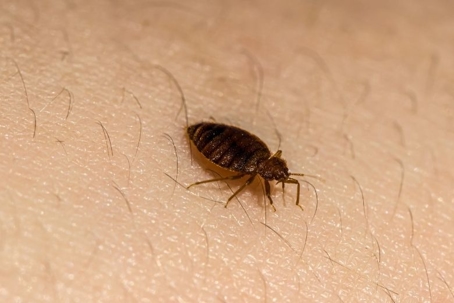
What Kills Bed Bugs Instantly?
Bed bugs are notoriously fast breeders and can spread quickly throughout a home. Someone dealing with an active infestation of these bugs may want an instant-kill solution to stop bites and reduce the immediate population before it spreads further.
Minimizing Health Risks: While bed bugs are not known to transmit diseases directly, bed bug bites can cause severe itching, allergic reactions, secondary infections from scratching, and psychological stress. People may seek instant-kill methods to alleviate these health-related concerns quickly.
Preventing Property Damage and Contamination: Bed bugs can infest mattresses, furniture, and personal belongings. Instant elimination may be desirable to prevent prolonged contamination and costly remediation of affected items.
Time-Sensitive Situations: In commercial or hospitality settings (hotels, hostels, offices), bed bug presence can be a serious liability. Managers or owners may look for rapid solutions to protect clients, employees, and the business’s reputation.
Psychological Relief: Bed bugs cause anxiety, insomnia, and stress. Instant-kill approaches can provide peace of mind by giving people a sense of control over the situation.
Targeting Hard-to-Reach Areas: Some infestations are hidden in cracks, crevices, and behind walls. People may want a solution that eliminates visible and hidden bed bugs immediately to reduce the chance of missing some areas during treatment.
Knowing what kills bed bugs instantly can help homeowners determine the most effective treatments before committing to a long-term strategy, ensuring resources are used efficiently.
Does Steam Kill Bed Bug Instantly?
Steam treatments can kill bed bugs relatively quickly, but the speed depends on the temperature of the steam and the thoroughness of application. When applied at temperatures above 120°C (248°F), adult bed bugs and nymphs typically die within a few seconds to a few minutes upon direct contact. Bed bug eggs are more resistant and may require slightly longer exposure, usually several minutes, to ensure complete mortality. The effectiveness of steam also depends on reaching all hiding spots, including mattress seams, cracks, baseboards, and furniture joints; missed areas allow bed bugs to survive and reinfest. Steam offers the advantage of penetrating fabrics and crevices without the use of chemicals, and it provides an immediate kill for exposed bugs. However, like other direct-contact treatments, it does not provide residual protection, so repeated or combined treatments with other methods are often necessary to fully eliminate an infestation.
Does Rubbing Alcohol Kill Bed Bugs Instantly?
Rubbing alcohol (isopropyl alcohol) can kill bed bugs on direct contact, but the effect is almost immediate only for the bugs it touches. When sprayed directly, adult bed bugs and nymphs usually die within seconds to a few minutes as the alcohol dissolves their outer waxy cuticle, causing rapid dehydration. However, it is important to note that alcohol does not kill eggs effectively, so infestations are rarely eradicated with alcohol alone. Additionally, the volatile nature of rubbing alcohol means it evaporates quickly, leaving no residual effect, so any bed bugs hiding in cracks or under furniture that were not directly sprayed will survive. Its rapid action makes it useful for spot treatments or emergency situations, but it cannot replace comprehensive control methods like heat, professional chemical applications, or desiccant dusts for complete elimination.
Using rubbing alcohol to kill bed bugs requires careful precautions due to its flammability and potential health risks. First, it must never be applied near open flames, sparks, or heat sources, as isopropyl alcohol is highly flammable and can ignite easily. Adequate ventilation is essential to avoid inhaling fumes, which can cause dizziness, headaches, or respiratory irritation, so windows should be open and fans used if possible. Protective gear such as gloves and, ideally, eye protection should be worn to prevent skin irritation or accidental splashes. Alcohol should only be sprayed directly onto exposed bugs and surfaces that can tolerate it, as it can damage fabrics, finishes, and certain plastics. Additionally, it should never be used as a standalone treatment for a full infestation, because it does not kill eggs and has no residual effect, meaning untreated hiding spots will allow the infestation to rebound. Proper storage of alcohol away from children, pets, and heat sources is also crucial to prevent accidents.
Does Bleach Kill Bed Bugs Instantly?
Bleach can kill bed bugs on direct contact, but it is not an effective or recommended method for full infestations. When sprayed directly onto adult or nymph bed bugs, the high toxicity of bleach may kill them within minutes, depending on the concentration and amount applied. However, bleach does not reliably penetrate cracks, crevices, or mattress seams, where most bed bugs hide, and it does not kill eggs effectively. Its strong fumes and corrosive nature also make it unsafe for widespread use indoors, as it can damage surfaces, fabrics, and pose serious respiratory hazards. Because of these limitations, bleach might provide a rapid kill for visible bugs but cannot be relied upon as a primary treatment. Professional or safer chemical treatments, heat, steam, or desiccant dusts are far more effective for complete bed bug eradication.
Does Vacuuming Them Up Kill Bed Bugs Instantly?
Vacuuming bed bugs does not kill them immediately; it primarily removes them from infested surfaces rather than eradicating them on contact. When bed bugs are vacuumed, many may survive the suction process, especially if the vacuum bag or canister does not trap them effectively. To actually kill the captured bed bugs, the contents of the vacuum must be disposed of promptly—for example, sealed in a plastic bag and placed in the sun, frozen, or treated with insecticide. The vacuuming itself takes only the time needed to pass over the infested areas, usually minutes per room, but it does not provide instant mortality for bugs still alive inside the vacuum. Vacuuming is best used as part of an integrated approach, combined with heat, steam, chemical treatments, or desiccant dusts, to reduce the population quickly while addressing the bugs that survive the initial removal.
Do Heat Treatments Kill Bed Bugs Instantly?
Heat treatments to kill bed bugs usually require sustained exposure rather than a single instant application. In a controlled environment, adult and nymph bed bugs typically begin dying within minutes once temperatures reach around 50–60°C (122–140°F), but eggs are more heat-resistant and may require 20 to 40 minutes at these temperatures to ensure mortality. In practice, professional whole-room or whole-house heat treatments maintain lethal temperatures for 4 to 8 hours, depending on the size of the space, insulation, and amount of clutter or furniture, to guarantee that heat penetrates all cracks, crevices, and hidden areas where bed bugs may be sheltering. Achieving uniform temperature is critical, because even small pockets of cooler air can allow some bugs or eggs to survive. Therefore, while heat is highly effective, the process is rapid but not instantaneous, and the total treatment time is planned to maximize complete eradication.
Do Foggers Kill Bed Bugs Instantly?
Foggers, or “bug bombs,” are generally ineffective for killing bed bugs and do not provide rapid or complete control. While they may kill some exposed adult bed bugs within minutes to a few hours, foggers cannot penetrate the cracks, crevices, mattress seams, and other hiding spots where the majority of bed bugs live. Eggs are almost entirely unaffected, and surviving bugs often repopulate the area quickly. Additionally, foggers disperse insecticide in a way that settles unevenly, limiting contact with bugs and potentially creating a false sense of security. For these reasons, foggers are not recommended by professional pest control standards for bed bug eradication; they are better used as a supplementary measure or for insects they are specifically labeled to target. Effective control requires direct-contact treatments, heat, steam, desiccant dusts, or professional insecticides applied to all infested areas.
Do Pyrethroid Insecticides Kill Bed Bugs Instantly?
Pyrethroid insecticides act on the nervous system of bed bugs, but they are not instant killers. When applied correctly, contact with treated surfaces typically causes adult bed bugs and nymphs to die within a few hours to a couple of days, depending on the specific chemical, concentration, and exposure time. Eggs are largely resistant to pyrethroids, so repeated applications are usually necessary to eliminate newly hatched nymphs. Another important consideration is resistance: many bed bug populations have developed tolerance to pyrethroids, which can significantly delay mortality or reduce effectiveness. Pyrethroids provide residual control, meaning they remain active on surfaces for days to weeks, slowly affecting bed bugs that come into contact over time. For best results, they are often integrated with other methods such as heat, steam, or desiccant dusts to achieve complete eradication.
Do Neonicotinoid Insecticides Kill Bed Bugs Instantly?
Neonicotinoid insecticides target the nervous system of bed bugs and are generally more effective than pyrethroids against resistant populations, but they are not instant killers. When bed bugs come into contact with treated surfaces, adults and nymphs typically begin to die within hours to a day, though the exact timing depends on the specific active ingredient, concentration, and exposure. Eggs are largely unaffected, so repeated treatments are often necessary to prevent newly hatched nymphs from sustaining the infestation. Neonicotinoids provide residual activity, remaining active on surfaces for several days to weeks and gradually killing bed bugs that traverse treated areas. Their effectiveness is highest when integrated with other methods, such as heat, steam, or desiccant dusts, to ensure both immediate and long-term control.
Does Freezing Them Kill Bed Bugs Instantly?
Freezing is an effective method to kill bed bugs, but it is not instantaneous and requires careful attention to temperature and exposure time. To reliably eliminate all life stages, items must be exposed to temperatures of -17°C (0°F) or lower. At this temperature, adult bed bugs and nymphs generally die within 2 to 4 days, while eggs, which are more cold-tolerant, may require up to a week of sustained freezing. Effectiveness depends on maintaining a consistent, sufficiently low temperature throughout the entire item, as any warmer spots can allow bugs to survive. Freezing is best suited for small, movable items such as clothing, bedding, or infested objects, rather than large furniture or whole-room treatments. While it is a chemical-free and non-toxic method, the relatively long exposure time and practical limitations mean freezing is usually used as part of an integrated bed bug management strategy rather than as a sole solution.
Does Diatomaceous Earth Kill Bed Bugs Instantly?
Diatomaceous earth (DE) kills bed bugs through a slow, physical process rather than an immediate toxic effect. The fine, abrasive particles damage the insects’ waxy outer cuticle, causing them to dehydrate and die. This process typically takes several days to up to a week, depending on factors such as the amount of DE applied, the humidity in the environment, and how frequently bed bugs come into contact with it. Eggs are not directly affected until the nymphs hatch and crawl through the treated areas, so DE works gradually against the entire life cycle. Its effectiveness relies on proper application—coating cracks, crevices, mattress seams, and other hiding spots—because bed bugs must physically encounter the powder to be affected. While DE is not an instant killer, its long-lasting residual action makes it a valuable component of integrated bed bug management when combined with other control methods like heat treatments or chemical sprays.
Do Essential Oils Kill Bed Bugs Instantly?
Essential oils, such as tea tree, lavender, peppermint, or eucalyptus, may have some contact-killing effects on bed bugs, but they are not fast, or even reliably lethal. When applied directly, adult bed bugs and nymphs might die within minutes to hours, depending on the concentration and direct exposure, but many bugs often survive, and eggs are generally unaffected. Their effectiveness is highly variable because essential oils evaporate quickly, leaving no residual effect, so any bed bugs hiding in cracks, crevices, or furniture will remain unharmed. As a result, essential oils are considered more of a repellent or supplementary measure rather than a standalone solution. Using them alone is unlikely to control an infestation; they are best incorporated into an integrated approach alongside proven methods like heat, steam, desiccant dusts, or professional insecticides.
Does Boric Acid Kill Bed Bugs Instantly?
Boric acid is not an effective treatment for bed bugs and should not be relied upon for eradication. Unlike insects such as cockroaches, bed bugs do not groom themselves in a way that allows boric acid to be ingested or carried effectively. Even when bed bugs come into contact with boric acid, it has little to no impact on mortality, so there is no reliable timeframe for it to kill them. The eggs, nymphs, and adults generally survive, meaning infestations persist despite application. Using boric acid can give a false sense of control, potentially delaying the use of proven methods such as heat treatments, professional insecticides, desiccant dusts, or integrated approaches.