
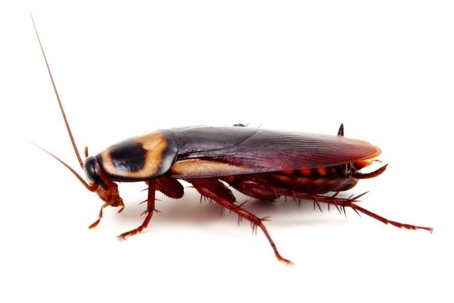
What Do Palmetto Bugs Eat?
Palmetto bugs, are opportunistic feeders and can eat a wide variety of organic material. Their diet includes:
Food scraps: In homes, they’ll consume almost any human food, including crumbs, grease, meats, sweets, and processed foods.
Starches: Items like paper, cardboard, and book bindings can be eaten because of their starch content.
Organic debris: They will also feed on pet food, garbage, and even hair or dead insects.
Decaying plant matter: They feed on leaves, wood, mulch, and other decomposing vegetation found outdoors.
Moisture sources: While not a “food,” palmetto bugs are attracted to water and will chew on damp materials to access it.
They are scavengers and highly adaptable, which is why they can thrive both outdoors in mulch and leaf litter and indoors in kitchens, bathrooms, or basements. Minimizing access to food and moisture is key to preventing infestations.
Do Palmetto Bugs Eat Human Food?
Palmetto bugs are not picky eaters and will scavenge almost anything they can digest, but they show particular preference for certain types of human foods. The most likely foods to attract them include:
Sugary foods: Honey, syrup, candy, pastries, and sweet beverages.
Starches and grains: Bread, pasta, rice, cereal, crackers, and flour.
Greasy or fatty foods: Meats, oils, butter, cheese, and fried foods.
Protein sources: Leftovers containing meat, eggs, and dairy products.
Processed foods: Anything packaged with starches, sugar, or fats, including snack foods.
Rotting or fermenting food: Leftovers left out, overripe fruits, or spoiled food are especially attractive.
They are nocturnal feeders, so food left out overnight—crumbs on counters, open trash, pet food bowls—is particularly inviting. Even small amounts of grease or residue on dishes or surfaces can sustain them.
Do Palmetto Bugs Eat Pet Food?
Yes, palmetto bugs will readily eat pet food. Both dry kibble and wet food are attractive to them because they contain protein, fat, and moisture—exactly the nutrients cockroaches need to thrive. Even small amounts left out overnight can sustain an infestation.
To reduce the risk:
Keep pet food in sealed, airtight containers.
Don’t leave bowls out overnight; feed pets in scheduled meals and clean up any leftovers.
Wash bowls regularly to remove grease and food residue.
Store bulk pet food off the floor and away from walls, as palmetto bugs can climb and access bags or containers if they are not sealed.
Effectively, controlling pet food exposure is just as important as cleaning up human food sources when preventing or reducing palmetto bug infestations.
Do Palmetto Bugs Eat Trash?
Yes, palmetto bugs will readily eat trash. They are opportunistic scavengers and are attracted to anything edible or decomposing, making trash an ideal food source. Their trash diet typically includes:
Food scraps: Leftover meals, fruit and vegetable peels, spoiled food, meat, and dairy products.
Greasy residues: Oily or fatty leftovers in containers or on wrappers.
Paper and cardboard with food residue: Pizza boxes, takeout containers, or napkins.
Organic matter: Coffee grounds, tea leaves, and compostable waste.
Because of this, trash cans—especially those that are not sealed, emptied regularly, or lined—can quickly attract palmetto bugs. They are particularly drawn to moist or fermenting materials.
For effective control, it’s critical to use tightly sealed trash bins, remove food waste frequently, and keep surrounding areas clean. Outdoor trash should also be kept away from the home’s foundation, as palmetto bugs can use it as both a food source and a shelter.
Do Palmetto Bugs Eat Insects?
Palmetto bugs are omnivorous scavengers, but they will opportunistically eat other insects if the chance arises. Their insect diet generally includes:
Dead insects: Cockroaches, ants, flies, or other small bugs that are already dead or dying. Scavenging is easier than hunting live prey.
Soft-bodied insects: Aphids, caterpillars, or larvae can be eaten if accessible, as they are easy to consume.
Weaker or smaller live insects: Occasionally, they may prey on slower or trapped insects, including other cockroaches or crickets.
Eggs or larvae: Insect eggs, pupae, or larvae found in food debris or hidden corners are also potential targets.
Palmetto bugs rarely actively hunt fast or strong insects; they primarily feed on what’s easily available, which makes them effective scavengers. Their consumption of insects is often incidental—they’ll eat them if other food sources (like human or pet food) are scarce.
Do Palmetto Bugs Eat Plants?
Palmetto bugs, being omnivorous scavengers, aren’t strictly herbivores, but they will feed on certain plant materials, especially decaying or soft vegetation. The plants they are most likely to consume include:
Decaying leaves and organic debris: Fallen leaves, leaf litter, and mulch are prime food sources because they’re partially decomposed and easy to digest.
Soft or rotting fruits: Overripe or fallen fruits such as bananas, citrus, apples, and berries are attractive.
Vegetables: Soft or damaged vegetables, including tomatoes, cucumbers, squash, and leafy greens, especially if they’ve started to rot.
Moist plant matter: Stems, shoots, and tender foliage with high moisture content can be eaten, particularly in damp areas like gardens or near irrigation.
Essentially, palmetto bugs favor plants that are soft, moist, or decomposing, which makes garden mulch, compost piles, and fallen fruits especially attractive. Living, healthy plants are usually less affected unless they are damaged or decaying.
Do Palmetto Bugs Eat Wood?
Palmetto bugs generally do not eat healthy, solid wood, but they will feed on decaying or rotting wood because it’s easier to digest and often harbors fungi or other microorganisms that the bugs consume. This includes:
Dead tree limbs or fallen branches
Mulch made from decomposed wood
Wood that has been softened by moisture or decay
They are not structural pests in the sense that termites are—they won’t eat sound wood in homes—but they can be found in wood piles, tree cavities, or damp wooden structures where decay has set in. Their presence around wood is usually more about shelter and moisture, with feeding on the decayed material being opportunistic.
Do Palmetto Bugs Eat Cardboard?
Yes, palmetto bugs will eat cardboard, though usually only if it is soft, damp, or contains food residue. Cardboard is primarily attractive to them because:
It contains starch, which cockroaches can digest.
It often retains moisture, making it easier to chew and more appealing.
It can have traces of food or grease, increasing its attractiveness.
Dry, clean cardboard is less appealing, but if it’s near a food source or becomes damp, it can become a food source. This is why palmetto bugs are often found in storage areas, boxes, or packaging near kitchens, pantries, or garages.
For prevention, it’s best to keep cardboard off the floor, avoid storing it near moisture or food, and consider sealing or replacing it regularly in areas where cockroach activity is possible.