
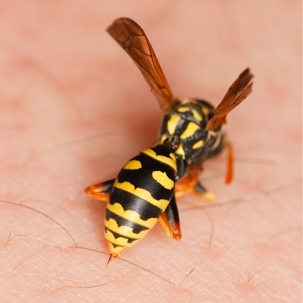
Can Wasps Sting?
Yes, wasps can sting. They use their stingers to inject venom as a defense mechanism or to subdue prey.
Do Wasps Leave Stingers?
No, wasps do not leave their stingers behind. Unlike honeybees, whose barbed stingers become lodged in the skin and detach after a single sting, wasps have smooth stingers that allow them to sting repeatedly. This means a wasp can sting multiple times without injuring itself, making them more aggressive and capable of delivering several stings in a short period.
Can Wasps Sting More Than Once?
Yes, most wasps can sting multiple times. Unlike honeybees, which have barbed stingers that lodge in the skin and cause the bee to die after a single sting, wasps have smooth stingers that allow them to sting repeatedly without injuring themselves. This makes them more aggressive defenders of their nests, and each sting can inject venom, causing pain, swelling, and potential allergic reactions in humans. Certain species, like yellowjackets and hornets, are particularly notorious for multiple stings in quick succession.
Do Wasps Sting?
Most wasps are generally defensive rather than aggressive, so they sting primarily in response to threats or disturbances. Here are the most common situations where wasps are likely to sting people:
Nest disturbance – This is the most frequent cause of stings. Wasps become highly aggressive if their nest is touched, shaken, or approached too closely, even unintentionally. Paper wasps, hornets, and yellowjackets will defend their colonies vigorously.
Feeling threatened – Individual wasps may sting if they are trapped, swatted at, or handled, for example, when someone accidentally steps on one or waves their hands near a hovering wasp.
Food and sweet drinks – Wasps are attracted to sugary foods and beverages, especially in late summer. They may sting if someone suddenly swats at them while eating outdoors or tries to remove them from food.
Rapid movements or vibrations – Sudden movements, vibrations, or loud noises near a nest or resting wasp can be interpreted as a threat, prompting stings.
Wearing bright colors or floral patterns – Wasps may be more likely to approach and potentially sting people whose clothing resembles flowers or bright prey.
Alcohol consumption – Wasps are often more attracted to alcoholic drinks, particularly beer, which can lead to accidental stings when people are drinking outdoors.
Climbing or yard work – Activities like mowing the lawn, trimming bushes, or harvesting fruit can disturb nests hidden in shrubs, trees, or underground cavities.
Wasps can sting multiple times, so even a single encounter can become serious if a person provokes multiple stings. Most stings are defensive rather than predatory, so avoiding sudden movements near wasps or their nests is the best preventive measure.
Wasp Stings
Here are some of the risks most commonly associated with wasp stings:
Do Wasp Stings Hurt?
Yes, wasp stings are typically very painful. The sting injects venom that triggers an immediate, sharp, burning sensation at the site, often accompanied by redness and swelling. The intensity of pain can vary depending on the species, the location of the sting, and individual sensitivity, but many people describe it as a sudden, intense discomfort that can last for several minutes to hours. Some species, like hornets, deliver particularly potent venom, resulting in more severe pain.
Do Wasp Stings Swell?
Yes, wasp stings commonly cause swelling at the site of the sting. The venom triggers the body’s immune response, leading to localized inflammation, redness, and tenderness. Swelling can range from mild and short-lived to more pronounced, especially in individuals who are sensitive to wasp venom. In some cases, the swelling may extend beyond the immediate sting area and last for several hours or even a few days.
Can Wasp Stings Worsen Existing Health Conditions?
Yes, wasp stings can exacerbate preexisting health conditions. For individuals with cardiovascular issues, the stress and pain from a sting can trigger elevated heart rate, blood pressure spikes, or even heart complications. People with respiratory conditions, such as asthma, may experience worsened breathing difficulties, especially if an allergic reaction occurs. Additionally, those with compromised immune systems or chronic illnesses may face a higher risk of severe inflammation, infection, or systemic effects from multiple stings.
Can Wasp Stings Cause An Allergic Reaction?
Yes, wasp stings can trigger allergic reactions in some individuals. These reactions range from mild symptoms, such as itching, hives, and localized swelling, to severe, potentially life-threatening responses like anaphylaxis. Anaphylaxis can cause difficulty breathing, swelling of the face or throat, rapid heartbeat, dizziness, and a sudden drop in blood pressure, requiring immediate emergency treatment. People with known venom allergies are at higher risk and should carry an epinephrine auto-injector.
Can Wasp Stings Cause Systemic Toxicity?
Yes, wasp stings can cause systemic toxicity, particularly when a person is stung multiple times or by a highly venomous species such as hornets or yellow jackets. Systemic toxicity occurs when venom spreads through the bloodstream, affecting the whole body rather than just the sting site. Symptoms can include nausea, vomiting, headache, dizziness, rapid heartbeat, low blood pressure, muscle cramps, and in severe cases, kidney damage or organ failure. Children, the elderly, and individuals with preexisting health conditions are especially vulnerable to these effects.
Can Wasp Stings Get Infected?
Yes, wasp stings can become infected if bacteria enter the puncture site. While the venom itself is not typically infectious, scratching the sting or failing to clean it properly can introduce bacteria, leading to redness, swelling, warmth, pus, and increased pain. Most infections are mild and treatable with basic wound care, but severe or spreading infections may require medical attention and antibiotics.
Can Wasp Stings Cause Anxiety?
Yes, wasp stings can lead to anxiety in some individuals. The sudden pain and potential for serious allergic reactions can trigger fear or heightened stress, especially in people who have been stung before. Repeated encounters or living near active nests may contribute to ongoing worry, hypervigilance, or phobias, sometimes causing avoidance behaviors that affect daily activities or outdoor enjoyment.
Wasp Venom
Wasp venom is a complex biochemical cocktail designed to immobilize prey and defend the colony. It contains a mix of toxins, enzymes, peptides, and amines that act together to cause pain, inflammation, and tissue irritation in humans and animals. Here’s are its key components and effects:
Mastoparans – These are small peptides that cause mast cells in the skin to release histamine, leading to redness, swelling, and itching. Mastoparans also damage cell membranes, contributing to pain and tissue irritation.
Phospholipase A and B – Enzymes that break down cell membranes, releasing fatty acids that amplify inflammation and pain. This helps spread other venom components more effectively through tissues.
Hyaluronidase – Often called the “spreading factor,” this enzyme breaks down hyaluronic acid, a substance that holds cells together. It allows the venom to penetrate deeper into skin and muscle tissue.
Biogenic amines – Compounds like serotonin, histamine, and acetylcholine cause immediate pain, burning sensations, and localized swelling by stimulating nerve endings and dilating blood vessels.
Antigen 5 – A major allergen found in most wasp venoms. It’s responsible for many allergic reactions in sensitive individuals and can trigger systemic responses such as hives, dizziness, or anaphylaxis.
Kinins and other peptides – These compounds contribute to pain and vascular permeability, intensifying the inflammatory response.
Together, these components make wasp venom both a potent irritant and a defensive weapon. The effects can vary depending on the species of wasp, the amount of venom injected, and the sensitivity of the person stung.
What Do Wasp Stings Look Like?
Redness: The area around a wasp sting usually appears red and inflamed, often forming a small, circular patch on the skin.
Puncture Mark: A small, visible puncture or dot is often present at the center of the sting, marking where the stinger pierced the skin.
Raised Bump or Wheal: Many stings develop a raised, firm bump, sometimes with a white or pale center surrounded by redness.
Blistering or Bruising: In more severe reactions or sensitive individuals, the sting site may form a small blister or show mild bruising around the affected area.
Localized Skin Irritation: Itching, warmth, and tenderness are common, contributing to the overall inflamed appearance of the sting.
Can Wasp Stings Cause Blisters?
Yes, wasp stings can sometimes cause blisters, especially in individuals who are sensitive to venom or experience a stronger local reaction. The venom can trigger inflammation and fluid accumulation under the skin, resulting in small, raised blisters. These blisters are usually temporary but can be itchy or tender and may occasionally become irritated or infected if scratched.
What To Do About Wasp Stings
If you get stung by a wasp, it’s important to act quickly to reduce pain, swelling, and risk of infection, while also monitoring for allergic reactions. Here’s what to do if you get stung by a wasp:
- Move to a safe area: Immediately get away from the wasp(s) to avoid additional stings. Calmly leave the area rather than swatting, which can provoke more wasps.
- Clean the sting site: Wash the area thoroughly with soap and water to remove venom residues and reduce infection risk. Pat dry gently—avoid rubbing, which can worsen irritation.
- Reduce pain and swelling: Apply a cold compress or ice pack for 10–15 minutes at a time to numb pain and limit swelling. Wrap ice in a cloth to protect skin. Ibuprofen or acetaminophen can help manage pain. Hydrocortisone cream or oral antihistamines (like cetirizine or diphenhydramine) can reduce redness, itching, and swelling.
- Monitor for allergic reactions: Even if you’ve never had a severe reaction before, wasp stings can trigger anaphylaxis. Watch for: Difficulty breathing, wheezing, or throat tightness. Swelling of lips, tongue, or face. Dizziness, rapid pulse, or fainting. Hives spreading beyond the sting site.
- Immediate action for severe reactions: Call 911 or seek emergency medical care. If you have an epinephrine auto-injector (EpiPen), use it immediately. Keep the patient lying down with legs elevated until help arrives if possible.
- Manage itching and delayed reactions: Mild swelling and itching may last a few hours to a couple of days. Apply cool compresses periodically. Avoid scratching, which can cause infection.
- When to see a doctor: Swelling or redness spreads beyond the sting site or worsens after 48 hours. Signs of infection (pus, increasing pain, warmth, red streaks). Multiple stings from a swarm, especially in children or older adults. Any unusual symptoms in individuals with known allergies.
Reducing or eliminating wasps around your home or workplace can significantly lower the risk of stings. Removing nests, sealing entry points, and managing food sources or sugary drinks outdoors makes the area less attractive to wasps. While it does not guarantee complete prevention—since wasps can still fly in from nearby areas—it greatly reduces encounters and the likelihood of defensive stings. For professional wasp nest removal, contact our team of experts.
Last Updated: 12/14/2025