
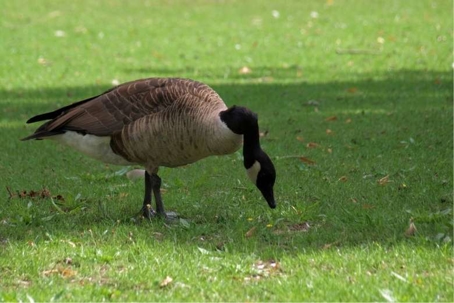
What Do Geese Eat?
Geese are primarily herbivorous birds, and their diet is composed of a variety of plant materials, aquatic vegetation, and some small invertebrates. Their feeding habits can vary depending on the species of geese and their habitat. Here is what geese eat:
- Grasses and Plants: Geese are known to graze on a wide range of grasses and terrestrial plants. They commonly feed on grass shoots, leaves, and stems. These can include species such as Kentucky bluegrass, ryegrass, and clover.
- Aquatic Vegetation: Many geese, especially those that live near water bodies, feed on aquatic vegetation like pondweeds, water milfoil, and algae. They often dip their heads underwater to reach these submerged plants.
- Crops: Geese can be a significant nuisance to farmers as they often forage in agricultural fields, consuming crops like wheat, barley, rice, and corn. This can lead to economic losses for farmers.
- Berries and Seeds: During the fall and winter, geese consume a variety of berries, seeds, and grains. This can include grains left in fields after harvest and various wild berries found in their habitats.
- Invertebrates: While plant material makes up the bulk of their diet, some geese, especially goslings, may also consume small invertebrates like insects and snails. However, this makes up a relatively small portion of their diet.
- Algae: Some species of geese, particularly those living in more aquatic environments, may feed on algae, diatoms, and other microscopic aquatic organisms.
- Human-Provided Food: In urban areas, geese have adapted to consuming human-provided food like bread, crackers, and other handouts. However, such foods are not suitable for their health and can lead to various health issues.
The specific dietary preferences of geese can vary depending on their location, seasonal availability of food, and species. Additionally, their feeding habits can have ecological impacts on their habitats, and in some cases, they may need to be managed to reduce negative effects on agriculture and ecosystems.
Do Geese Eat Plants?
Geese are primarily herbivores and tend to graze on a variety of vegetation, with their preferences influenced by season, availability, and habitat. They are especially drawn to tender, nutrient-rich plants:
Do Geese Eat Fruit?
Berries: Geese commonly consume small, soft fruits such as cranberries, blueberries, blackberries, raspberries, elderberries, and gooseberries. These are usually eaten opportunistically in wetlands, bogs, and edges of forests or fields, especially during late summer and fall when berries are ripe.
Wild Grapes: Geese will eat wild grapes when available, often feeding on fallen fruit along riverbanks or in wooded areas. The sugar content provides a quick energy source.
Apples and Pears: In agricultural areas, geese sometimes feed on fallen apples and pears, favoring softer, overripe fruits that are easy to swallow.
Other Soft Fruits: They may occasionally consume cherries, plums, or small melons, again primarily when the fruit is soft and accessible on the ground. Hard-skinned fruits or those that are not ripe are usually ignored.
Fruit consumption is largely opportunistic. Geese tend to rely on fruits when other vegetation is scarce, during migration, or when energy demands are high, such as before winter or during gosling growth.
Do Geese Eat Grass?
Yes, geese do eat grass. Grass is a significant part of the diet of many goose species. They commonly graze on various types of grasses and other herbaceous plants, particularly in their natural habitats and when they are not foraging in agricultural fields or urban areas. Geese are well-equipped for grazing, with serrated bills that help them efficiently tear and consume grass shoots, leaves, and stems. This natural diet of grass and other vegetation is essential for their nutrition, especially during the spring and summer months when these plants are abundant and provide the necessary nutrients for their growth and reproduction.
Do Geese Eat Crops?
Geese are particularly drawn to crops that are tender, high in nutrients, and easy to graze. Their feeding behavior often targets young seedlings, emerging shoots, or grain-producing plants:
Wheat, barley, rye, and oats – Geese especially favor young, sprouting seedlings and tender shoots.
Corn – Both seedlings and mature kernels are eaten, though they prefer tender stages early in the season.
Rice – In regions where rice paddies are accessible, geese feed on seedlings and grains in flooded fields.
Soybeans – Young plants and emerging seedlings are very attractive.
Alfalfa (lucerne) – Highly palatable, especially the fresh shoots and leaves.
Clover crops – White clover and red clover are extremely attractive due to their high protein content.
Leafy greens – Lettuce, spinach, kale, and other tender greens are easily grazed.
Root crops – Carrots, beets, and turnips may be eaten, particularly young seedlings or exposed tops.
Sunflowers – Geese may graze on young shoots and sometimes on seeds when accessible.
Canola (rapeseed) – Young seedlings and tender leaves can attract geese.
Geese primarily target cereal grains (wheat, oats, barley), legumes (soybeans, clover, alfalfa), and tender vegetable crops. Seedlings and young, leafy stages of crops are especially vulnerable because they are easier to graze and higher in protein.
Do Geese Eat Aquatic Plants?
Geese are very opportunistic feeders around water, and they often graze on a wide range of aquatic and semi-aquatic plants, preferring tender, nutrient-rich vegetation they can easily pull or nibble:
Pondweeds (Potamogeton spp.) – Tender leaves and stems are eaten frequently.
Wild celery (Vallisneria americana) – A preferred plant for many geese, especially in lakes and slow-moving rivers.
Watermilfoil (Myriophyllum spp.) – Soft foliage attracts grazing geese.
Duckweed (Lemna spp.) – Small, nutrient-rich plants that geese can consume in large quantities.
Water lettuce (Pistia stratiotes) – In areas where it occurs, geese may feed on the leaves.
Cattails (Typha spp.) – Young shoots and leaves are eaten, though mature parts are less palatable.
Bulrushes (Schoenoplectus spp.) – Soft new growth is consumed.
Pickerelweed (Pontederia cordata) – Leaves and young shoots can be grazed.
Watercress (Nasturtium officinale) – Tender leaves are highly palatable.
Smartweeds (Polygonum spp.) – Often grazed along marsh edges.
Rushes and sedges (Juncus and Carex spp.) – Young shoots are eaten, especially in early spring.
Essentially, any soft, leafy, easily accessible aquatic or wetland plant can attract geese, especially pondweeds, wild celery, and duckweed.
Geese favor soft, nutrient-rich, leafy plants and tender grasses. They are opportunistic, so anything easily accessible that fits these criteria—especially clovers, young grasses, and aquatic vegetation—will attract them.
What Insects Do Geese Eat?
Geese often forage in wetlands, ponds, and shallow waters where aquatic insects are abundant. Common prey includes mayfly larvae, caddisfly larvae, mosquito larvae, dragonfly and damselfly nymphs, and midges. These provide protein, especially important during molting and migration.
Terrestrial Insects: While primarily herbivorous, geese will opportunistically eat beetles, ants, grasshoppers, crickets, caterpillars, and flies when available on grasslands, lawns, or agricultural fields. These are typically ingested while grazing.
Larval and Soft-Bodied Insects: Geese favor soft-bodied insects such as earthworms, snails, slugs, and larvae of various insects, which are easier to swallow and digest. These are particularly attractive to goslings because of their higher protein and fat content.
Seasonal Preferences: In spring and early summer, geese increase insect intake to meet protein demands for growth and reproduction. Later in the year, insects become less critical as grasses and seeds dominate their diet.
Geese are not strict insectivores, but they exploit insect populations when available. Areas with high insect density, such as fertilized fields, marshes, and pond edges, are hotspots for insect consumption.
Do Geese Eat Snails?
Yes, geese do eat snails, though they are not a primary food source. Snails provide a valuable source of protein and calcium, which is particularly important for goslings and during the breeding season when adults need extra nutrients for egg production. Geese typically consume snails opportunistically while grazing in wetlands, marshes, or grassy areas where snails are abundant. They tend to favor small, soft-bodied snails that are easy to swallow and digest. While plant material—such as grasses, seeds, and aquatic vegetation—makes up the bulk of their diet, snails and other invertebrates supplement their nutritional needs, especially in habitats where insects are also plentiful.
What Do Geese Eat In The Water?
When geese are in the water, their diet primarily consists of aquatic vegetation and sometimes small aquatic invertebrates. What they eat in the water can depend on their specific habitat and the availability of food. Here's what geese eat when they are in aquatic environments:
- Aquatic Plants: Geese are well adapted to feeding in the water, and they often consume a variety of aquatic plants. These can include species such as pondweeds, water milfoil, duckweeds, and various submerged or emergent vegetation. Geese may reach these plants by dipping their heads underwater to access them.
- Algae: Some species of geese, especially those that inhabit freshwater bodies like lakes and ponds, may feed on algae. Algae can be a significant part of their diet, and they may use their bill to filter it from the water's surface.
- Seeds: In addition to consuming the green parts of aquatic plants, geese may also eat the seeds of these plants, which are often found on or near the water's surface.
- Invertebrates: While the primary component of a goose's diet in water is plant material, some species may also eat small aquatic invertebrates like insects, snails, and crustaceans. This is more common among goslings and may serve as a protein source during their early growth stages.
- Submerged Aquatic Vegetation: Geese are known to forage on submerged aquatic vegetation by tipping forward in the water to reach these plants with their bills.
The specific food items geese consume in the water can vary based on their location, the availability of food, and the species of geese. Their diet is adapted to their natural environment, and they play a role in shaping and maintaining wetland ecosystems through their feeding habits.
Do Geese Eat Algae?
Yes, geese do eat algae, and it can be an important part of their diet, especially for species that frequent aquatic habitats. Algae provides essential nutrients, including proteins, vitamins, and minerals, which complement the primarily herbivorous diet of geese. They typically graze on filamentous algae, green algae, and other soft aquatic vegetation found along the edges of ponds, lakes, and marshes. Algae is particularly valuable in early spring or in habitats where terrestrial vegetation is sparse, helping to sustain energy and nutritional intake. While geese rely mostly on grasses, seeds, and other plant matter, algae serves as a supplementary food source that is easy to access and digest, particularly for goslings and during periods of rapid growth.
What Do Geese Eat In The Winter?
During the winter months, the diet of geese often shifts due to the reduced availability of some of their typical food sources. Here's what geese eat in the winter:
- Grains and Agricultural Residues: Many species of geese are known to forage in agricultural fields during the winter. They consume grains left in fields after the harvest, such as wheat, barley, rice, and corn. These food sources provide a valuable energy and carbohydrate-rich diet for geese during the colder months.
- Berries and Fruits: In some regions, geese feed on berries and fruits that are still available in the winter. This can include fruits like cranberries, rose hips, and various winter-hardy berries. These fruits can provide essential vitamins and nutrients.
- Aquatic Vegetation: While the availability of aquatic plants may decrease in the winter, some geese species continue to feed on submerged and floating aquatic vegetation if they have access to open water. They may also consume algae and other aquatic plant matter if it remains accessible.
- Human-Provided Food: In urban and suburban areas, geese may rely on human-provided food sources during the winter, including bread, crackers, and other handouts. However, this is not the healthiest option for them and can lead to various health issues.
- Supplemental Feeding: In some areas, conservation organizations and wildlife management agencies provide supplemental feeding for geese in the winter to help ensure they have access to suitable food sources, especially when natural food availability is limited.
The specific winter diet of geese can vary based on their location and the local environmental conditions. Some species of geese may migrate to warmer areas with more abundant food resources during the winter, while others adapt to the winter conditions and food availability in their natural habitats. Additionally, the diet of geese can have implications for their health and survival during the winter months.