
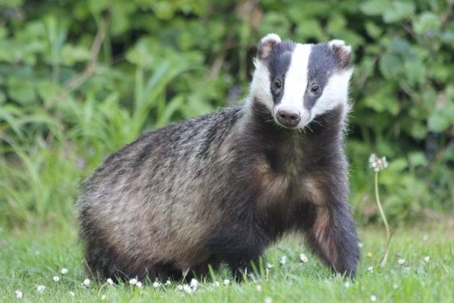
What Do Badgers Look Like?
Knowing what a badger looks like is critical for personal and public safety. Badgers are generally not aggressive, but they can defend themselves fiercely if cornered or threatened. Misidentifying them as a harmless animal—or conversely, mistaking a different, potentially more dangerous animal for a badger—can lead to unsafe encounters.
Wildlife Management and Pest Control: Badgers can impact local ecosystems and human activities. Being able to identify a badger ensures that interventions are appropriate and legal, as badgers are protected in many regions. Mistaking them for another burrowing animal, such as foxes or raccoons, could result in ineffective or unlawful control measures.
Ecological Awareness: Badgers play a key role in their habitats, including controlling insect and rodent populations. Recognizing them allows professionals and enthusiasts to monitor ecosystem health accurately. Confusing them with other animals could lead to incorrect ecological assessments or management strategies.
In many areas, badgers are legally protected. Knowing what they look like ensures compliance with wildlife laws, preventing fines, legal liability, or criminal charges. Misidentification could unintentionally lead to harming a protected species.
What Size Are Badgers?
Adult American badgers (Taxidea taxus) typically measure 60 to 75 centimeters (24–30 inches) from head to tail, with a stocky, low-slung body adapted for digging.
Tail Length: Their tail is relatively short, usually 8 to 15 centimeters (3–6 inches), bushy, and often pale or greyish in color.
Weight: Adult weights range from 5 to 14 kilograms (11–31 pounds), with males generally heavier than females. Seasonal variations occur, with individuals heavier in late summer and fall due to fat storage.
Height at Shoulder: Standing on all fours, an American badger is roughly 20 to 30 centimeters (8–12 inches) at the shoulder. Their wide, muscular shoulders give them a powerful digging profile.
Sexual Dimorphism: Males tend to be slightly larger and heavier than females, but overall size differences are modest.
Northern populations tend to be larger than southern ones, reflecting adaptation to climate and prey availability.
How Big Can Badgers Get?
Exceptionally large individual badgers can approach the upper ends of these ranges—around 14 kg and 75 cm in body length—especially in northern regions where prey is abundant and they store fat for winter.
How Small Can Badgers Be?
American badgers (Taxidea taxus) can vary quite a bit in size depending on age, sex, and region, and the smaller individuals are noticeably compact:
Body Length: The smallest adults may measure around 50 to 60 centimeters (20–24 inches) from nose to tail. Juveniles are, of course, even smaller.
Weight: Small adult badgers can weigh as little as 5 kilograms (11 pounds), particularly females or individuals in southern or drier regions with less abundant prey.
Height at Shoulder: Small adults may stand about 20 centimeters (8 inches) tall at the shoulder.
Regional Variation: Southern populations tend to be smaller, while northern populations grow larger due to richer food sources and colder climates requiring greater fat storage.
Sex Differences: Females are generally smaller than males, but size overlap is common, so weight and length ranges can intersect.
Even the smallest badgers maintain a stocky, low-to-the-ground, muscular build, so they remain recognizable despite their compact size.
How Tall Are Badgers?
American badgers (Taxidea taxus) are relatively low to the ground:
Shoulder Height: When standing on all fours, they are typically 20 to 30 centimeters (8–12 inches) tall at the shoulder.
Overall Stature: Their bodies are long and stocky, so although they are not very tall, their broad shoulders and muscular build make them appear solid and powerful.
Standing on Hind Legs: If they rear up briefly (usually to look around), they can reach roughly 45–50 centimeters (18–20 inches) tall, but this is not a normal posture.
They are built more for digging and low-level movement than for height.
What Color Are Badgers?
American badgers have a distinctive and easily recognizable coloration that helps with identification:
Face: The most striking feature is their face pattern—white stripe runs from the nose over the top of the head toward the back of the neck. This stripe is usually flanked by dark patches around the eyes, giving a masked appearance.
Body: Their fur is generally grizzled gray or brown, mixed with lighter and darker hairs, which provides camouflage in grasslands and open areas.
Legs and Underbody: Legs are usually darker brown or black, and the underbelly tends to be lighter, sometimes pale gray or off-white.
Tail: The tail is relatively short and light gray to white, often blending with the body’s lighter tones.
Seasonal Variation: The overall coat color may appear slightly lighter in winter and darker in summer due to molting and wear.
The combination of a white facial stripe, dark eye patches, and grizzled body fur is unique among North American burrowing mammals, making badgers easier to identify in the field.
Are Badgers Black And White?
American Badgers (Taxidea taxus) are not fully black and white. They have a white stripe down the facewith darker patches around the eyes, and their body fur is generally grizzled gray, brown, or tawny, providing camouflage in grasslands.
Many badger species worldwide have some contrasting facial markings, but most have brown, gray, or reddish body fur, so “black and white” applies mostly to facial patterns rather than the entire animal.
Relying solely on black-and-white coloring can be misleading—pattern and texture of fur, body markings, and behavior are more reliable indicators than color alone.
Are Badgers Gray?
Yes, badgers can appear gray:
- American Badgers (Taxidea taxus) fur is generally grayish-brown or grizzled gray, mixed with brown and tawny hairs. The gray tones are most noticeable on the back and shoulders, providing camouflage in grasslands.
Function of Gray Fur: The gray coloration helps them blend into soil, rocks, and grassy habitats, making them less visible to predators and prey.
Gray is often blended with other colors, so while badgers can appear gray at a glance, recognizing them relies more on facial markings, body patterns, and overall texture of the fur than color alone.
Are Badgers Brown?
Yes, badgers typically have brown tones in their fur. American Badgers (Taxidea taxus) often appear brown or tawny on the body, with grizzled patterns of lighter and darker hairs. Legs are usually darker brown or black, while the face has the characteristic white stripe and dark eye patches. The brown and gray tones provide camouflage in grasslands, forests, and burrows, helping badgers remain hidden from predators and while hunting.
What Shape Are Badgers?
Badgers have a very distinctive body shape that reflects their digging and burrowing lifestyle:
Overall Body: Stocky, low-slung, and elongated. Their body is cylindrical and robust, allowing them to move easily through tunnels and burrows.
Head: Triangular or wedge-shaped, tapering toward a pointed snout that aids in digging and rooting out prey. The head appears proportionally small compared to the broad shoulders.
Shoulders and Forelimbs: Broad and muscular, giving a flattened, powerful front. Forelimbs are strong with large claws, shaped for efficient digging.
Legs: Short and sturdy, contributing to a low-to-the-ground posture. The legs are slightly bowed, giving the body a squat, compact appearance.
Tail: Short and stubby, usually rectangular or slightly tapered, not used for balance but sometimes visible when the animal is moving.
When walking or digging, their shape looks elongated horizontally, low, and wide at the shoulders, giving a characteristic “ground-hugging” profile.
What Badgers Look Like
In addition to their size, shape, and color, badgers have several distinctive traits:
Facial Markings: Most badgers have prominent stripes or masks on their faces. For example, American badgers have a white stripe running from nose to back of head with dark eye patches. These markings are highly distinctive and used for identification.
Eyes and Ears: Badgers have small, rounded ears and relatively small eyes that give a sharp, alert expression. Their eyes are adapted for nocturnal or crepuscular activity.
Fur Texture: Their fur is coarse and dense, offering protection from dirt and underbrush while digging. The guard hairs make the coat appear somewhat bristly.
Claws and Paws: Badgers have large, strong foreclaws designed for digging and a padded, strong paw structure for traction underground. These claws are often a defining visual feature when seen up close.
Muzzle and Nose: They have a broad, blunt snout with a moist, sensitive nose, ideal for sniffing out insects, small mammals, and roots underground.
Behavioral Posture: Badgers often appear low to the ground, with a forward-leaning posture when moving or foraging. Their movements are deliberate and grounded, reflecting their burrowing habits.
Though short, the tail is noticeable as a small brush of fur, often flicked slightly when moving but not used for balance.
Do Badgers Have Stripes?
Yes, badgers are known for their distinctive stripes, though the pattern depends on the species:
American Badgers (Taxidea taxus) have a white stripe running from the nose to the back of the head, often flanked by dark patches around the eyes. This creates a less bold but still very distinctive striped facial pattern.
Function of Stripes: Stripes are believed to serve as warning signals to predators, indicating that badgers are strong and can defend themselves. They may also help individuals recognize each other.
The stripes are one of the most reliable features for identifying badgers in the field, even if the animal is partially hidden or in low light.
Do Badgers Have Tails?
Yes, badgers do have tails, but they are short and relatively inconspicuous compared to their body:
Length: Typically ranges from 8 to 20 centimeters (3–8 inches) depending on the species. European badgers generally have slightly longer tails than American badgers.
Appearance: The tail is stubby and bushy, often blending with the body’s fur. It does not serve as a balancing tool like in some other mammals.
Function: Mainly provides some insulation and minor signaling, but it is not used for digging or defense.
Visibility: In most situations, the tail is barely noticeable, especially when the badger is on the move or foraging low to the ground.
It’s a small but distinct feature, useful if you’re observing a badger from the side or behind.