
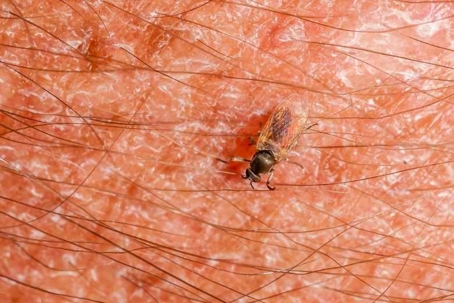
Can Gnats Bite?
Most gnats do not bite, but certain types can. The term “gnat” is a broad one that refers to several small flying insects, some of which are harmless while others are blood-feeding pests.
Non-biting gnats — such as fungus gnats, fruit flies, and drain flies — are primarily nuisance pests. They’re attracted to moisture, decaying organic matter, or overwatered soil, but they don’t have mouthparts capable of piercing skin.
Biting gnats, on the other hand, belong mostly to families like Ceratopogonidae (biting midges or “no-see-ums”), Simuliidae (black flies), and Phlebotominae (sand flies). These tiny insects feed on blood, often targeting exposed skin, especially around the neck, face, and ankles. Their bites can cause small red welts, itching, and swelling that resemble mosquito bites.
Do Drain Flies Bite? || Do Fruit Flies Bite? || Do Fungus Gnats Bite? || Do Midges Bite?
Do Gnats Bite?
Gnats are most likely to bite when environmental conditions and human activity attract them or make biting easier. The specific circumstances depend on the species, but in general, biting gnats—such as black flies, biting midges (no-see-ums), and sand flies—tend to bite in the following situations:
Warm, Humid Weather: Biting gnats are most active in late spring through early fall when temperatures are warm and humidity is high. These conditions help them reproduce and keep their delicate bodies from drying out.
Near Water Sources: Many gnat species breed in or near moisture-rich areas. You’re most likely to encounter biting gnats near lakes, rivers, ponds, marshes, or damp soil. They often swarm in these areas, especially during calm, overcast days with little wind.
During Dawn and Dusk: Most biting gnats are crepuscular, meaning they’re most active during early morning and evening hours. These times provide the humidity and light levels they prefer for feeding.
Still Air and Shady Conditions: Gnats are weak fliers and avoid strong winds or direct sunlight. They bite most often in shady, sheltered environments—such as wooded trails, gardens, or under decks—where the air is still.
Biting gnats usually target exposed skin. Wearing shorts, tank tops, or sandals in gnat-heavy areas increases the likelihood of bites, particularly around the ankles, neck, and ears.
Why Do Gnats Bite?
Female gnats bite because they need blood for reproduction. The proteins and iron in blood are essential for egg development. Male gnats typically do not bite, as they feed on nectar or other plant sugars. This behavior is similar to mosquitoes.
Do Gnats Bite Humans At Night?
Gnats can bite humans at night, but it depends:
Biting midges and black flies: These species are primarily active during dawn and dusk, but some can bite in low-light conditions or at night if there is nearby activity or artificial lighting.
Nocturnal behavior: Most biting gnats prefer twilight hours, but certain environmental factors like warm, humid nights or light sources can extend their biting into nighttime.
So while night biting is less common than daytime or twilight biting, it can occur under favorable conditions.
Why Are Gnats Attracted To Me?
Biting gnats are most likely to target a specific person due to a combination of chemical, physical, and environmental cues that make some individuals more “noticeable” or appealing:
Body Chemistry and Odor: Biting gnats are highly sensitive to skin odors produced by sweat and natural bacteria. Compounds like lactic acid, uric acid, ammonia, and fatty acids can signal a ready blood source. People who naturally emit higher concentrations of these compounds attract more gnats.
Carbon Dioxide Emission: All humans exhale CO₂, but larger individuals or those breathing heavily (from activity or metabolism) release more CO₂, which gnats use to locate hosts.
Body Heat and Skin Temperature: Warm skin signals a live host. Individuals with higher surface temperatures, especially in extremities like hands and feet, are often targeted more.
Movement and Environmental Exposure: People standing near gnat breeding sites—moist soil, stagnant water, or damp vegetation—are more likely to be bitten. Activity like walking or exercising creates motion and heat, increasing detection by gnats.
Clothing and Colors: Dark or bright colors can attract certain biting gnats, as they visually recognize potential hosts.
Biting gnats are drawn to the specific combination of odor, CO₂, heat, and proximity that makes one person stand out more than others. Some people may rarely get bitten, while others seem to attract gnats constantly due to these overlapping factors.
Are Gnats Attracted To Certain Blood Types?
Yes. Like mosquitoes, some biting gnats show preferences for certain blood types, although research is more extensive for mosquitoes than it is for gnats specifically. Evidence suggests that individuals with Type O blood tend to attract more blood-feeding insects, including biting gnats, compared to Type A, B, or AB. The attraction is linked to chemical cues on the skin surface that correlate with blood type. While blood type may play a role, environmental conditions and personal odor cues often have a stronger influence on biting frequency.
Gnat Bites
Most gnat bites are more irritating than dangerous, but depending on the species and a person’s reaction, they can still pose several health and comfort risks. The main risks associated with gnat bites include:
Localized Skin Reactions: The most common issue is irritation caused by the gnat’s saliva, which contains anticoagulants and enzymes that trigger the body’s immune response. Bites often result in red, itchy welts or small raised bumps, sometimes with a tiny puncture mark in the center. Sensitive individuals may experience more intense swelling or hives.
Secondary Infections: Persistent scratching can break the skin and allow bacteria to enter, leading to secondary infections such as impetigo or cellulitis. Signs of infection include increasing redness, warmth, swelling, or pus at the bite site.
Allergic Reactions: Some people develop stronger allergic responses to gnat saliva, resulting in large, painful welts or widespread itching. Though rare, severe allergic reactions (anaphylaxis) can occur and require immediate medical attention.
Disease Transmission (in Rare Cases): In the United States, gnat bites are not known to transmit serious diseases to humans. However, in some tropical or developing regions, certain species of biting midges or black flies can transmit parasitic diseases such as Onchocerciasis (river blindness) or Leishmaniasis. These diseases are not a concern in North America but highlight the potential vector risk in other areas.
Persistent Itching and Sleep Disruption: Multiple bites, especially around the ankles or neck, can cause ongoing itching that interferes with sleep and daily comfort. Some individuals may experience prolonged irritation lasting several days.
What Do Gnat Bites Look Like?
Gnat bites typically appear as small, red, raised bumps or welts that are often clustered together on areas of exposed skin. Their exact appearance can vary depending on the person’s skin sensitivity and the type of gnat involved, but they tend to share several key characteristics:
Small, Round Welts: Most gnat bites form tiny red or pink bumps, usually less than half an inch in diameter. They may resemble mosquito bites but are often smaller and more densely grouped.
Clusters or Patterns: Because gnats often bite multiple times in a short span, the bites tend to appear in clusters or lines, particularly on areas like the neck, face, arms, and ankles—where skin is thin and exposed.
Central Red Dot or Puncture Mark: You may notice a tiny pinpoint mark in the center of each bump, indicating where the gnat’s mouthparts pierced the skin.
Swelling and Itching: The body’s reaction to the gnat’s saliva can cause mild to moderate swelling, along with intense itching or burning. In sensitive individuals, welts can become larger and more inflamed, resembling small hives.
No Clear Fluid Blisters (Usually): Unlike certain insect bites, such as chiggers or fleas, gnat bites rarely form fluid-filled blisters. However, repeated scratching may cause scabbing or minor bleeding.
Most gnat bites heal within a few days to a week if left alone. However, scratching can delay healing and increase the risk of infection or scarring.
What To Do About Gnat Bites
If you’ve been bitten by gnats, the goal is to relieve itching, prevent infection, and help your skin heal quickly. Here’s a step-by-step guide on what to do:
Clean the Area Thoroughly: Wash the bites gently with soap and cool water to remove any saliva, dirt, or bacteria that could cause infection. Pat dry with a clean towel.
Reduce Itching and Swelling: Apply a cold compress or ice pack wrapped in a clean cloth for 10–15 minutes to reduce inflammation and numb the area. Repeat several times a day as needed. You can also use over-the-counter treatments such as: Hydrocortisone cream (1%) – reduces redness, swelling, and itching. Calamine lotion or aloe vera gel – soothes irritation and cools the skin. Antihistamine cream or oral antihistamines (like diphenhydramine or loratadine) – help relieve itching, especially if you have multiple bites.
Avoid Scratching: Scratching increases irritation and raises the risk of secondary infection. If itching is severe, keep the area covered with a loose bandage or wear lightweight clothing over it.
Watch for Signs of Infection: Seek medical advice if you notice increasing redness, swelling, warmth, pus, or pain, as these can indicate an infection. Wash gently and apply an antibiotic ointment (like Neosporin) if the skin becomes broken.
Soothe Naturally (Optional): Some natural remedies can ease discomfort, such as baking soda paste (mix with water and apply for 10 minutes), witch hazel, or diluted tea tree oil (if you’re not sensitive to it).
Use insect repellent containing DEET, picaridin, or oil of lemon eucalyptus when outdoors to prevent future bites. Also wear long sleeves, pants, and socks in gnat-prone areas, especially around dawn and dusk. Avoid sweet-smelling lotions, perfumes, or shampoos that attract gnats. Reduce moisture sources near your home, like standing water or damp soil, to limit breeding sites.
Learn more: How To Get Rid Of Gnats