
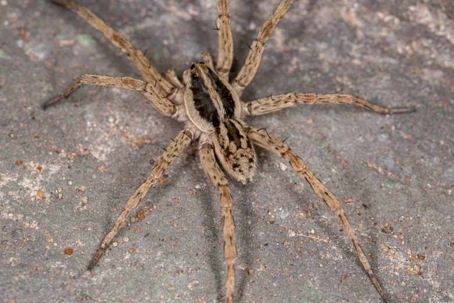
Can Wolf Spiders Bite?
Yes, wolf spiders can bite.
Do Wolf Spiders Bite?
Wolf spiders are generally not aggressive toward humans, and bites are relatively rare. These spiders tend to bite only under specific circumstances, usually when they feel threatened or provoked. The situations in which wolf spiders are most likely to bite include:
Accidental contact: If a wolf spider is accidentally pressed against the skin—such as being trapped in clothing, shoes, bedding, or during handling—it may bite in self-defense.
Cornered or restrained: When a wolf spider is cornered, trapped, or unable to escape, it may bite to defend itself. This includes situations where people try to catch or handle it.
Direct threat to their nest or eggs: Female wolf spiders carrying egg sacs may be more defensive and prone to bite if their egg sac is threatened.
Stepping on or reaching into areas where wolf spiders are hiding, such as under rocks, logs, or in basements and garages, can provoke a defensive bite.
Are Wolf Spiders Poisonous Or Venomous?
Wolf spiders are not poisonous - they are venomous.
Are Wolf Spiders Poisonous?
No, wolf spiders are not poisonous.
Are Wolf Spiders Venomous?
Yes, wolf spiders are venomous, but their venom is not considered dangerous to humans.
Wolf Spider Venom
Wolf spider venom is a complex mix of proteins, enzymes, and neurotoxins designed primarily to subdue and digest prey. Its primary functions are to immobilize insects and begin external digestion before ingestion. The venom is delivered through the spider’s fangs in small amounts, which is generally sufficient for small prey but only causes mild effects in humans.
In humans, the venom is not considered medically significant. Typical effects of a bite include localized pain, redness, swelling, and itching. The venom may also trigger a mild inflammatory response, similar to a bee sting. Unlike highly venomous spiders (e.g., black widows), wolf spider venom lacks potent neurotoxins that could cause systemic effects.
Allergic reactions are possible but uncommon. Because wolf spiders tend to bite only in self-defense, human exposure to their venom is generally limited.
Wolf Spider Bites
The risks associated with wolf spider bites are generally low, as their venom is mild and rarely dangerous to humans. However, some potential effects and complications include:
Local symptoms: The most common risk is localized pain at the bite site, which can range from mild to moderate. Accompanying symptoms often include redness, swelling, itching, and a warm sensation. A small blister may occasionally form.
Infection: Any break in the skin carries a small risk of secondary bacterial infection if the bite area is scratched or not properly cleaned.
Allergic reactions: Although rare, some individuals may experience allergic responses to wolf spider venom, which could cause increased swelling, hives, or itching beyond the bite area. Severe allergic reactions (anaphylaxis) are extremely uncommon.
Psychological effects: For some people, the bite may cause anxiety, stress, or concern about venomous spiders, even though wolf spiders are low-risk.
Serious medical complications from wolf spider bites are exceedingly rare.
What Do Wolf Spider Bites Look Like?
Wolf spider bites are generally mild and can resemble other minor insect or spider bites. Typical characteristics include:
Two puncture marks: Often, a wolf spider bite will leave a pair of small puncture wounds from the fangs, though these may be difficult to see.
Redness and swelling: The area around the bite usually becomes red and slightly raised. Swelling may last for several hours or, in some cases, a day or two.
Pain or tenderness: Bites often cause localized pain or a stinging sensation, sometimes described as sharp or burning. The pain is usually mild to moderate.
Itching or irritation: As the bite heals, it may become itchy or irritated. Scratching should be avoided to prevent infection.
Occasional blistering: Rarely, small blisters may form at the bite site, particularly if the skin is sensitive.
Most wolf spider bites heal on their own within a few days to a week without serious complications. Severe reactions are extremely rare.
What To Do About Wolf Spider Bites
If you get bitten by a wolf spider, the bite is usually mild, but proper care can reduce discomfort and prevent complications. Here’s what to do:
Clean the bite: Wash the area thoroughly with soap and warm water to remove any dirt or bacteria and reduce infection risk.
Control swelling: Apply a cold pack or clean ice wrapped in a cloth to the bite for 10–15 minutes at a time. Repeat every hour as needed for the first few hours.
Relieve pain and itching: Over-the-counter pain relievers like acetaminophen or ibuprofen can help with discomfort. Anti-itch creams or antihistamines may reduce itching.
Monitor for infection or allergic reaction: Watch for increasing redness, warmth, pus, or swelling—signs of infection. Seek medical attention if these occur. Also, be alert for signs of an allergic reaction, such as widespread hives, difficulty breathing, dizziness, or swelling of the face or throat, and seek emergency care immediately if these appear.
Avoid scratching: Scratching can worsen irritation and increase infection risk.
Seek medical advice if symptoms persist: While most wolf spider bites heal on their own in a few days, consult a healthcare professional if pain worsens, swelling spreads, or you experience unusual symptoms.
Following these steps usually ensures a quick recovery, as wolf spider bites are rarely dangerous.