
What Do Field Mice Eat?
Knowing their typical diet helps identify what in an environment is drawing field mice in—such as seeds, grains, pet food, or stored products—so those attractants can be removed, secured, or substituted to reduce infestation pressure from these mice.
Designing Effective Control Strategies: Food preferences determine which baits and formulations work best. If you match a rodenticide or non-toxic attractant to the foods rodents naturally seek, you dramatically improve uptake and overall control efficiency.
Predicting Activity Patterns: Dietary habits influence where mice forage and how far they will travel. Understanding their feeding behavior helps pinpoint high-probability entry points, travel routes, and nesting zones for monitoring or exclusion work.
Improving Exclusion and Sanitation Plans: Field mice commonly target areas with accessible seeds, vegetation, or stored edibles. Knowing these preferences shapes more precise sanitation protocols—such as vegetation trimming, crop management, or stored-food protection—that reduce available food sources.
Assessing Infestation Risks in Different Environments: Habitats rich in the foods mice prefer pose higher risk. Recognizing these relationships helps anticipate seasonal surges, identify vulnerable structures, and proactively plan defenses.
Control isn’t just about removal; it’s about preventing reinfestation. Understanding what field mice eat enables tailored environmental modifications that make a property less attractive over time, reducing recurring issues.
What Field Mice Eat
Field mice are opportunistic omnivores with a diverse diet that varies based on the availability of food in their habitat. Their diet typically consists of:
Do Field Mice Eat Seeds And Grains?
Field mice eat seeds and grains as a significant part of their diet. Seeds and grains are essential components of their natural diet, and they play a crucial role in their nutrition. These mice are opportunistic feeders, and they readily consume a variety of seeds and grains found in their environment. This dietary preference is consistent throughout the year, although the availability of specific seeds and grains can vary by season:
- Grass Seeds: Wild grasses (foxtail, ryegrass, bluegrass, fescue) are among the most common foods. These are abundant in fields, roadsides, and unmanaged vegetation, making them a primary natural resource.
Cereal Grains: Wheat, oats, barley, and corn are highly attractive. In agricultural areas, spilled grain, stored feed, and crop residues become major foraging targets.
Weed Seeds: Seeds from plants such as dandelion, plantain, ragweed, pigweed, and lamb’s quarters are frequently consumed. These weeds grow close to structures and provide a steady supply of food.
Sunflower Seeds: Both wild sunflowers and bird feeders provide a concentrated, high-fat food source. Field mice quickly exploit any accessible sunflower seed.
Legume Seeds: Soybeans, clover seeds, and alfalfa seeds are attractive due to their protein content, especially when other foods are limited.
Tree and Shrub Seeds: Seeds from shrubs and hardwoods such as maple, ash, and pine may be consumed when available, especially in mixed rural or semi-wooded areas.
Stored or Processed Grain Products: If accessible, they will readily eat livestock feed, pet food, scratch grain, cracked corn, and spilled or poorly stored products around barns, garages, or sheds.
Seeds and grains are essential and readily consumed food items for field mice, providing them with the necessary nutrients and energy for their survival and reproduction.
Do Field Mice Eat Fruits And Berries?
Field mice also eat fruits and berries as part of their diet. These items are a valuable food source for field mice, especially during the warmer months when fruits and berries are in season and readily available in their natural habitats:
Apples and Crabapples: Fallen or rotting apples are highly attractive; field mice will gnaw into the flesh and consume both pulp and seeds.
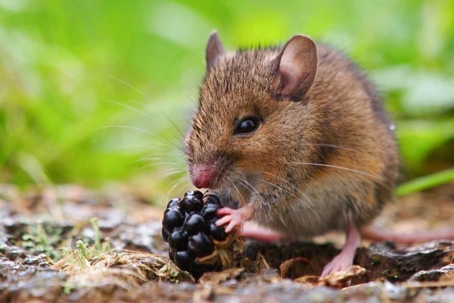
Berries: Field mice frequently consume blackberries, raspberries, elderberries, and mulberries. These berries are high in sugar and available in hedgerows, forest edges, and overgrown fields.
Cherries and Plums: Low-hanging wild cherries and plum trees provide sweet, fleshy fruit that field mice can reach, often dropping partially eaten fruit to the ground.
Currants and Gooseberries: Small, tart berries like currants and gooseberries are attractive because of their sugar content and easy accessibility near the ground.
Grapes: Native grapevines provide both fruit and seeds that field mice readily eat, particularly in late summer and early fall when grapes are ripe.
Other Small Fruits: Blueberries, huckleberries, and serviceberries are eaten opportunistically, especially in areas with dense ground cover or near human cultivation.
Garden or Cultivated Fruit: Strawberries, tomatoes, and melons in gardens or orchards may also attract field mice, especially if left unharvested or overripe.
The diet of field mice is adaptable, and they adjust their food choices based on the seasonal availability of various food sources. These fruits and berries are particularly important to note because they draw field mice closer to human structures, orchards, or gardens, increasing the risk of infestation. Proper sanitation, fruit collection, and habitat management can reduce these attractants.
Field Mice Eat Stored Food
Field mice are opportunistic feeders and may seek out stored foods in human-made structures, such as grain silos, barns, and other storage areas. This makes them significant pests. When accessing stored foods, field mice may consume a variety of items, which can include:
- Grains: Field mice are known to be attracted to stored grains, including wheat, barley, oats, corn, and other cereals. They may chew through bags or containers to access these food sources.
- Seeds: Field mice can also eat stored seeds, such as those used for bird feed or stored in bulk for agricultural purposes.
- Legumes: Stored legumes like soybeans and lentils may be targeted by field mice when they infiltrate storage areas.
- Nuts: Field mice may consume stored nuts, such as peanuts or almonds, if they have access to them.
- Dried Fruits: In some cases, field mice might feed on dried fruits like raisins or prunes that are kept in storage.
- Pet Food: Field mice can be attracted to stored pet food, including dry kibble for dogs and cats.
- Other Processed Foods: Processed foods stored in packaging, like cereals, grains, and pasta, can be consumed if field mice gain access to them.
- Other Stored Grains and Foods: Depending on the storage conditions and what is available, field mice can feed on a wide range of other stored grains, foods, and food products.
Field mice accessing stored foods can be a concern in agriculture and storage facilities, as they may cause damage to stored crops and contribute to food losses. Effective pest control measures are often necessary to prevent such damage and infestations in storage areas.
Do Field Mice Eat Nuts?
Field mice are known to eat a variety of nuts when they are available in their environment. The specific types of nuts they consume can depend on the region and the availability of nut-bearing trees or shrubs. Here are some common types of nuts that field mice may eat:
Acorns: Acorns from oak trees are a primary food source for field mice in fall and winter. They are high in fat and protein, making them valuable for energy storage.
Beechnuts: Beechnuts are small, nutrient-rich nuts that field mice readily collect and store in shallow caches near the parent tree or in burrows.
Hazelnuts (Filberts): Small and easily handled, hazelnuts are frequently gathered and stored by field mice in underground burrows.
Hickory Nuts: Hickory nuts are tough-shelled but very attractive due to their high-fat content. Mice gnaw through shells to access the kernels.
Walnuts: Both black walnuts and native species are eaten, although mice may prefer cracked or partially broken nuts since the shells are harder to penetrate.
Beechmast and Other Small Tree Nuts: Various small tree seeds, like chestnuts or elm seeds, may be consumed opportunistically, especially when more preferred foods are scarce.
Human-Cultivated Nuts (Occasionally): Almonds, pecans, or other garden/cultivated nuts may be eaten if accessible, especially when fallen or cracked, though they are less commonly encountered in purely wild habitats.
The availability of these nuts can vary by season and geographical location. Field mice are opportunistic feeders, and their diet depends on the availability of various food sources in their habitat. Nuts can provide field mice with a good source of fat and energy, making them an important food item when they are in season.
Do Field Mice Eat Leaves?
Field mice are primarily opportunistic feeders when it comes to leaves. While leaves are not usually a main food source compared to seeds, grains, nuts, and fruits, they do consume them—especially in early spring or when other foods are scarce:
Herbaceous Plant Leaves: Clover, alfalfa, dandelion, plantain, and chickweed leaves are commonly eaten. These are high in moisture and some nutrients, making them useful in spring when seeds or nuts are not yet abundant.
Vegetable and Garden Leaves: Lettuce, spinach, cabbage, kale, and other leafy greens can attract field mice, particularly in gardens or near cultivated areas. They often nibble the edges rather than consuming the entire plant.
Seedling Leaves: Young shoots and seedlings of corn, wheat, oats, and other crops can be eaten, which sometimes causes agricultural damage.
Low-Growing Shrub Leaves: Leaves from blackberry, raspberry, and other low shrubs may be consumed, mostly for moisture or supplemental nutrition.
Tree Leaves (Opportunistic): Leaves from oaks, maples, and other deciduous trees are occasionally eaten when other foods are scarce, often gnawed in small quantities. This is more for hydration than for significant nutrition.
Fallen or Decaying Leaves: Field mice sometimes forage among fallen leaves for seeds, nuts, or insects hidden within leaf litter. While not a primary food source, leaves provide cover for feeding and protection from predators.
Understanding which leaves are consumed helps identify areas where field mice may be foraging or nesting. Removing or trimming certain plants near structures can reduce habitat and incidental feeding.
Do Field Mice Eat Grass?
Yes, field mice do eat grass and various other types of vegetation. Grass and green plants are a significant part of their diet, particularly in their natural outdoor habitats. Field mice are herbivores, and they forage on a variety of plant materials, including grass, clover, leaves, and other vegetation. These plant-based foods provide them with essential nutrients, fiber, and moisture.
Grass and other green plants are especially important components of their diet during the warmer months when these food sources are abundant. Field mice use their sharp incisors to gnaw on plant material, allowing them to extract nutrients and moisture.
Field mice are opportunistic feeders, and their diet can vary depending on the availability of food in their environment. While they primarily consume plant material, they may also incorporate other food sources into their diet, such as seeds, fruits, insects, and small invertebrates, to meet their nutritional needs.
Do Field Mice Eat Bark?
Field mice, like other rodents, may occasionally gnaw on tree bark, but it is not a primary or preferred food source for them. Bark consumption by field mice typically occurs under specific circumstances, and it is not a significant part of their diet.
Field mice may engage in a behavior known as "bark stripping," where they gnaw on tree bark. Bark may provide some nutritional value, such as fiber and certain nutrients, especially when other food sources are scarce. Gnawing on bark can help field mice maintain their incisors, which continuously grow and require wear to prevent overgrowth. Bark stripping by field mice tends to be more common during the winter months or in periods of food scarcity when other food sources are limited. While occasional bark stripping by field mice may not harm large trees, it can potentially damage smaller trees, shrubs, or saplings.
Field mice primarily rely on a diet of seeds, grains, green plants, fruits, insects, and other readily available food sources. Bark consumption is more of a supplemental behavior when alternative food options are lacking, and it is not a significant component of their regular diet.
Do Field Mice Eat Fungi?
Yes, field mice can eat fungi, including mushrooms, as part of their diet. Fungi are a food source that can be found in various natural environments, and mice are opportunistic feeders, which means they will consume fungi when it's available, especially if other food sources are scarce. Here's more information about mice and their consumption of fungi:
- Mushrooms: Field mice may eat mushrooms that are found in their habitat. Mushrooms can provide mice with moisture and nutrients, and some species are non-toxic and safe for consumption.
- Seasonal Availability: The presence of edible fungi, such as mushrooms, is often seasonal and depends on factors like weather conditions and the type of habitat. In some regions, certain types of mushrooms are more prevalent during specific times of the year.
- Identification: Field mice are typically capable of distinguishing between edible and toxic mushrooms through their sense of smell and taste. They tend to avoid toxic varieties when possible.
Not all types of mushrooms are safe for consumption, and some can be highly toxic to both field mice and humans.
Do Field Mice Eat Insects?
Yes, field mice do eat insects and other small invertebrates as part of their diet. While they are primarily herbivores, field mice are opportunistic feeders, and they readily consume insects and invertebrates when the opportunity arises:
- Insectivorous Behavior: Field mice are known to exhibit insectivorous behavior, meaning they actively hunt and consume insects. Insects provide them with a source of protein and essential nutrients.
- Diverse Prey: The types of insects consumed by field mice can vary, and they may include beetles, caterpillars, grasshoppers, spiders, and various other small arthropods.
- Foraging: Field mice often forage for insects in their natural habitats, such as grassy areas, fields, and woodlands. They use their keen sense of smell and excellent hearing to locate potential prey.
- Invertebrates: In addition to insects, field mice may also feed on small invertebrates like snails and earthworms when they come across them.
- Diet Variation: While insects and invertebrates are a part of their diet, field mice have a varied diet that can also include plant material, seeds, grains, fruits, and berries, depending on the availability of food in their environment.
Their ability to consume both plant material and animal prey makes field mice adaptable to a range of food sources, which can be particularly advantageous in different seasons or environments where food availability varies.
Do Field Mice Eat Other Animals?
Field mice are primarily herbivores, but they are opportunistic feeders, and under certain circumstances, they may consume other animals, although it is not a primary or preferred food source for them. Their diet is more focused on plant material and insects. Here are some points to consider regarding field mice and their consumption of other animals:
- Scavenging: Field mice are opportunistic feeders and may scavenge on small vertebrates such as small birds or the carcasses of animals they come across.
- Predation: Field mice may prey on smaller rodents, such as shrews, voles, or baby mice, if the opportunity arises. This predation behavior is not their primary source of food but can occur.
- Cannibalism: In some cases, field mice may exhibit cannibalistic behavior, especially in overcrowded or stressful conditions. This is a rare occurrence and is typically a response to a shortage of food.
While field mice may consume other animals in specific situations, their primary and preferred diet consists of plant material, seeds, grains, green plants, fruits, and insects. Animal consumption is a secondary and less common part of their dietary behavior.
Learn more: What Do Mice Eat?