
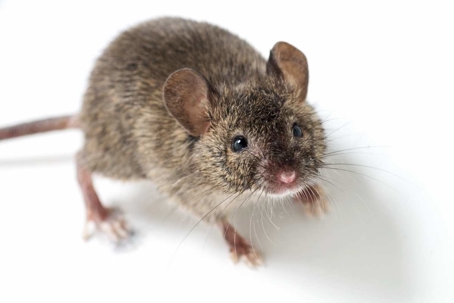
Irish Spring Soap And Mice
The notion that Irish Spring soap repels mice is mostly anecdotal. Many people claim that placing bars of Irish Spring in cabinets, closets, or attics keep these rodents away. The belief likely arises from the soap’s strong fragrance, which some assume is unpleasant to rodents.
Scientific evidence: There is no peer-reviewed research or rigorous scientific study confirming that Irish Spring specifically repels mice. While rodents have sensitive olfactory systems, evidence that a specific soap scent deters them is purely anecdotal. Some studies do show that certain strong smells—like peppermint oil—can influence mouse behavior, but these effects are generally temporary and not consistent.
Mechanism theory: If it works at all, the presumed mechanism is simple: the strong fragrance of Irish Spring might mask the scent trails that mice use to navigate or signal to each other. Alternatively, the odor might be simply unpleasant to them, causing avoidance.
Limitations and reality: Mice are highly motivated to find food and shelter. A bar of soap is unlikely to prevent them from entering a home or nesting if other attractants exist. Soap needs to be replaced frequently, as the scent fades over time. Many anecdotal reports are unreliable because they lack controlled conditions—mice could leave for other reasons.
Irish Spring soap might have some minor, temporary deterrent effect for mice due to its scent, but it is not a reliable or scientifically validated rodent control method. It is better considered an anecdotal “home remedy” rather than a professional solution.
Does Irish Spring Repel Mice?
No—Irish Spring soap does not reliably repel mice. Here’s why:
Lack of scientific support: There are no controlled studies proving that Irish Spring or any similar soap has a repellent effect on mice. The “repelling” claims are anecdotal.
Mice behavior: Mice are driven by food, shelter, and nesting opportunities. A bar of soap is unlikely to override those basic needs, especially in areas where food or shelter is present.
Temporary or coincidental effects: If mice avoid an area with soap, it’s usually temporary or coincidental. The scent may mask other odors or be mildly unpleasant, but it will not stop determined rodents from entering or nesting.
Irish Spring soap might make a space slightly less attractive, but it is not a substitute for proper pest control.
How To Use Irish Spring Soap To Deter Mice
If Irish Spring soap is literally the only tool available, your goal would be maximizing its potential as a minor deterrent, while understanding it won’t eliminate a mouse problem:
Placement: Put bars in areas where mice are likely to enter or travel, such as along baseboards, behind appliances, inside cabinets, or near entry points. Focus on tight, enclosed spaces where the scent will be concentrated rather than dispersed into open air.
Surface preparation: For maximum effect, clear the area of food and nesting materials. Soap works better when mice aren’t already strongly motivated to stay. Wipe or sweep surfaces first to remove existing mouse scent trails—mice follow these trails, and a strong soap scent may interfere more effectively with fresh ones.
Breaking the bars: Cut or shave the soap into small chunks or shavings. The increased surface area releases more fragrance, which is the primary “repelling” mechanism. Place these pieces in mesh bags, socks, or thin cloths so mice can’t easily chew and move them around, keeping the scent in place.
Renew regularly: Soap fragrance fades over time. Replace or refresh shavings every few days for best effect.
Combine with behavioral barriers: If possible, block obvious gaps, holes, and cracks with whatever material is available. Soap may discourage investigation, but physical barriers prevent entry entirely.
Manage expectations: Even with careful placement, Irish Spring soap may only reduce exploration or slow mouse activity temporarily. It’s not a kill or removal method. Monitor activity to see if mice avoid soap-laden areas. If not, additional control measures are essential.
Shave the soap, concentrate it in high-traffic areas, refresh often, and remove food sources. This maximizes whatever minor deterrent effect the soap might have, but it’s unlikely to fully solve an infestation.
What Happens When Mice Eat Irish Spring Soap?
If a mouse were to eat Irish Spring soap, several outcomes are possible, depending on how much it consumes:
Mild gastrointestinal irritation: Soap contains detergents and fragrances that are not food. Ingesting even a small amount could cause stomach upset, nausea, or diarrhea in a mouse.
Taste aversion: The strong fragrance and bitter taste of the soap may discourage further consumption. Mice are likely to avoid it after the first unpleasant experience.
Toxicity: Most commercial soaps, including Irish Spring, are not formulated to be highly toxic. A mouse would probably not die from eating a small piece, but consuming a large quantity could potentially cause more severe gastrointestinal distress or dehydration.
No long-term repellency effect: Eating soap does not “teach” the mouse to avoid the area permanently. Mice have short attention spans, and once the soap scent fades or they are motivated by food, they may return.
Professional perspective: Using soap as a deterrent is unreliable because it relies on taste aversion rather than actual repellent action. Effective mouse control still requires traps, exclusion, and sanitation.
A mouse eating Irish Spring might feel sick temporarily, but it won’t solve a rodent problem. It’s a minor irritant at best, not a pesticide.
Is Irish Spring Soap Toxic To Mice?
Irish Spring soap is not considered highly toxic to mice, but it can cause mild to moderate effects if ingested:
Gastrointestinal irritation: The detergents, fragrances, and other chemical components in soap can irritate a mouse’s stomach and intestines, potentially causing nausea, diarrhea, or discomfort.
Skin and fur irritation: Direct contact with soap can irritate sensitive skin or fur, but it is unlikely to cause serious harm unless exposure is prolonged.
Not a lethal agent: The soap is not formulated as a rodenticide. Eating small to moderate amounts is unlikely to kill a mouse. Large amounts could cause dehydration or more severe gastrointestinal upset, but death from soap alone is rare.
Behavioral effect: Mice may avoid areas with soap due to the strong smell or unpleasant taste, but this is a deterrent effect, not a toxic effect.
Irish Spring soap is a low-risk irritant or deterrent, not a toxic solution. It’s safe for humans and pets in normal household use, which is why it’s often mistakenly relied on as a “mouse killer.”