
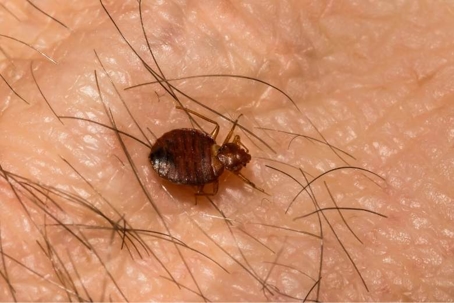
What Do Bed Bugs Look Like?
Recognizing the physical characteristics of bed bugs—small, reddish-brown, flat, and oval-shaped—allows homeowners, renters, and pest control professionals to identify infestations early. Early detection prevents the population from spreading extensively, which reduces the cost, effort, and disruption of treatment.
Accurate Identification: Many insects resemble bed bugs, including carpet beetles, cockroach nymphs, and bat bugs. Knowing exactly what bed bugs look like ensures proper identification, which is critical because different pests require different treatment methods. Misidentifying them can lead to ineffective control and prolonged infestations.
Monitoring Infestation Levels: Understanding their appearance helps in assessing the severity of an infestation. Seeing adults, nymphs (immature bed bugs), or shed skins indicates breeding activity and can guide decisions on treatment strategies and the areas that need attention.
Targeted Inspection: Bed bugs often hide in cracks, seams, mattress folds, furniture joints, and behind baseboards. Recognizing their size and shape allows for precise inspection, ensuring that hiding spots are not overlooked and increasing the likelihood of complete eradication.
Preventing Spread: Being able to visually identify bed bugs in luggage, clothing, or furniture helps prevent them from being transported to new locations. This is particularly important for travelers, hotels, and multi-unit housing, where infestations can escalate quickly if unnoticed.
Educating Others: Professionals who can clearly describe and show what bed bugs look like can educate clients, tenants, and employees. Awareness empowers individuals to take preventive measures, monitor their surroundings, and report potential infestations promptly.
Accurate recognition of bed bugs, including different life stages, informs the selection of appropriate treatment methods, whether chemical, heat, or mechanical. Treating all stages of the bed bug life cycle increases the likelihood of successful eradication.
What Bed Bugs Look Like
Bed bugs have several distinctive physical characteristics that help identify them, even at different life stages. Here are some of their features:
Head and Mouthparts: The head is small and slightly pointed, with two short, four-segmented antennae that they use to sense heat and carbon dioxide. They possess piercing-sucking mouthparts (a proboscis), which fold beneath their head when not in use. This structure allows them to pierce the skin and feed on blood.
Eyes and Antennae: Bed bugs have small, compound eyes on each side of the head. Their antennae are easily visible under magnification and help them detect hosts and navigate in the dark.
Legs: Bed bugs have six well-developed legs, enabling them to crawl quickly across surfaces like bedding and walls. They do not jump or fly, but they move swiftly over most materials.
Wings: Adult bed bugs have tiny, vestigial wing pads, but they are wingless and cannot fly.
Learn more: Bed Bugs vs Fleas || Bed Bugs vs Ticks
What Size Are Bed Bugs?
Adult bed bugs are quite small, typically measuring about 4 to 5 millimeters long (roughly the size of an apple seed) and 1.5 to 3 millimeters wide. Their bodies are flat and oval-shaped when unfed but become swollen, elongated, and reddish-brown after feeding on blood.
Newly hatched nymphs, on the other hand, are much smaller—only about 1 millimeter long—and are pale or translucent until they feed. Because of their small size and flat bodies, bed bugs can easily hide in tight cracks and crevices, such as mattress seams, furniture joints, and baseboards.
What Color Are Bed Bugs?
Bed bugs change color slightly as they grow and feed, but in general, their coloration ranges from pale tan to deep reddish-brown, depending on their age and feeding status.
Eggs: Bed bug eggs are pearly white and about the size of a pinhead (roughly 1 mm long). They’re often hard to spot unless you’re looking closely with good lighting.
Nymphs (young bed bugs): When newly hatched, they are translucent or pale yellow and almost colorless. After feeding on blood, their bodies turn bright red because the blood is visible through their thin exoskeleton.
Adults: Mature bed bugs are typically reddish-brown and have a flat, oval-shaped body when unfed. After feeding, they become darker and more swollen, often appearing deep brown or mahogany in color.
What Shape Are Bed Bugs?
Bed bugs have a distinctive oval, flattened shape that makes them easily recognizable once you know what to look for.
Unfed bed bugs are flat and oval, somewhat resembling an apple seed. This flattened shape allows them to squeeze into very tight spaces—such as mattress seams, cracks in furniture, and behind baseboards—where they hide during the day.
Fed bed bugs become more elongated and swollen as they fill with blood, taking on a plumper, more rounded appearance. They also darken in color after feeding.
From above, a bed bug looks broad and oval, but from the side, it appears thin and flat, especially before feeding. This combination of a flat, oval body and reddish-brown color is one of the easiest ways to identify them during an inspection.