
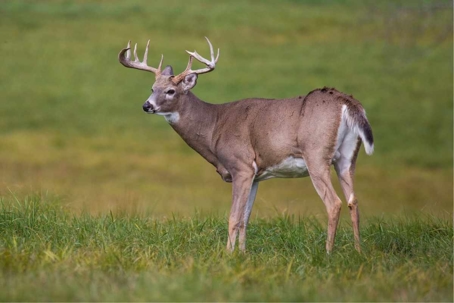
What Do Deer Eat?
Deer are herbivores and browse a wide variety of wild plants. Their core diet includes tender leaves and shoots from shrubs and trees (such as maple, oak, and sumac), forbs (broad-leaf plants like clover, chicory, dandelion, and ragweed), grasses—especially young growth—and vines like greenbriar. They select plants based on tenderness and nutritional value rather than quantity:
Mast, fruits, and seasonal treats: As seasons change, deer shift their preferences. In fall, hard mast becomes crucial—acorns (oak species vary in preference), beechnuts, and hickory nuts provide high energy. Soft mast such as apples, pears, persimmons, grapes, berries, and fallen fruits are heavily consumed when available and are especially attractive near orchards and residential areas.
Agricultural crops (highly attractive): Deer are drawn to cultivated plants because they’re nutrient-dense and easy to digest. Commonly eaten crops include corn, soybeans, alfalfa, winter wheat, oats, and field peas. Vegetable gardens are frequent targets—beans, lettuce, cabbage, tomatoes, squash, and sweet potatoes are favorites—leading to significant browse damage.
Woody browse and bark (late fall–winter): When green forage is scarce, deer rely on twigs, buds, and bark from woody plants. They commonly browse cedar, hemlock, yew, arborvitae, dogwood, and young fruit trees. In harsh winters, bark stripping can occur, which may damage or kill ornamental and orchard trees.
Minerals and water: Deer obtain most moisture from plants but also drink free water regularly. They seek natural mineral sources—particularly salt and calcium—which support antler growth and overall health. This need often brings them to road salt runoff, natural licks, or agricultural mineral sites.
Deer avoid or rarely consume plants that are toxic, strongly aromatic, or tough, such as lavender, boxwood, daffodils, foxglove, and most conifers once mature. However, hunger and environmental pressure can override preferences, so “deer-resistant” does not mean “deer-proof.”
Do Deer Eat Grasses?
Yes, deer do eat grasses as part of their diet. Grasses are a common and important food source for many deer species:
- Primary Food Source: Grasses are a primary component of a deer's diet, especially in regions where grasses are abundant. They are a readily available food source, and deer often graze on grasses to meet their nutritional needs.
- Year-Round Consumption: Deer graze on grasses throughout the year, but the amount consumed may vary depending on the season and the availability of other food sources.
- Nutritional Value: Grasses provide deer with essential nutrients, including carbohydrates, fiber, and some protein. They are particularly important as a source of energy, which is crucial for deer, especially during periods of high activity, such as the rut (mating season) and fawning season.
- Preferred Grass Types: Deer may have preferences for certain types of grasses, such as Kentucky bluegrass, fescues, and clover, which can be more nutritious than other grasses.
- Feeding Behavior: Deer are known as selective browsers, which means they are discerning in their choice of food. They often feed in a way that minimizes the intake of less nutritious or less palatable parts of plants, such as stems. They will often graze on the most tender and nutrient-rich parts of grasses.
- Grazing Patterns: Deer typically feed on grasses in open areas like fields, meadows, and pastures. These areas provide them with easy access to grasses and also allow them to be vigilant for potential predators while they feed.
- Seasonal Variations: While deer eat grasses throughout the year, their consumption may vary with the seasons. During the growing season, when grasses are lush and green, deer are more likely to rely on them heavily. In contrast, during the winter months, when grasses are less abundant and less nutritious, deer may switch to other food sources like twigs, bark, and stored plant material.
Grasses are a significant and consistent part of a deer's diet, offering them a vital source of nutrition and energy. However, the specific types and amounts of grasses consumed can vary depending on factors like the deer species, location, and seasonal food availability.
Do Deer Eat Fruit?
Fruit is a highly preferred food source for deer because it is energy-rich, easy to digest, and high in sugars, especially from late summer through fall when deer are preparing for winter:
How deer feed on fruit: Deer usually eat fruit after it drops to the ground, but they will also browse low branches and young trees, often breaking limbs or stripping leaves. Repeated feeding can prevent fruit trees from producing and may permanently stunt young plants.
Seasonal importance: Fruit is most important late summer through fall, when deer need quick calories for fat storage. In winter or early spring, fruit availability drops, and deer shift back to woody browse and buds.
Because fruit attracts deer from long distances, properties with fruit trees, berry bushes, or vineyards experience increased deer activity, including trampling, browsing, and repeated return visits once a food source is established.
Do Deer Eat Apples?
Apples are one of the most attractive foods for deer because they are sweet, soft, and high in carbohydrates, making them easy to digest and energy-dense:
How deer eat apples: Deer primarily eat fallen apples on the ground, but they will also pull apples from low branches, stretch to reach fruit, and browse leaves, buds, and young twigs, often causing structural damage to the tree.
Seasonal importance: Apples are most important late summer through fall, when deer are building fat reserves for winter. In apple-rich areas, deer may change travel patterns and repeatedly return to the same trees.
Impact on property and orchards: Apple trees attract deer from long distances. Regular feeding can lead to heavy fruit loss, broken branches, repeated leaf and shoot browsing, and long-term decline or failure of young trees.
Apples combine sugar, moisture, and scent, which makes them far more enticing than most natural browse. Once deer associate a location with apples, it often becomes a consistent feeding site year after year.
Do Deer Eat Berries?
Yes, deer eat berries and actively seek them when available. They consume a wide variety of wild and cultivated berries, including blackberries, raspberries, blueberries, strawberries, mulberries, and serviceberries. Berries are attractive because they are sweet, nutrient-rich, and easy to digest, providing valuable energy in late summer and fall. Deer will eat both fallen berries on the ground and low-hanging fruit, often browsing surrounding leaves and stems, which can lead to repeated visits and localized plant damage.
Do Deer Eat Cherries?
Yes, deer eat cherries, especially when the fruit is ripe and easily accessible. They consume both fallen cherries and low-hanging fruit from trees, often also browsing nearby leaves and shoots. Cherries are attractive because they are sweet, soft, and high in sugars, providing a quick energy source. In orchards or home gardens, deer feeding can result in fruit loss, branch damage, and repeated visits to the same trees.
Do Deer Eat Grapes?
Deer eat grapes when they are accessible, favoring both wild and cultivated vines. They consume ripe clusters directly from the vine and also browse the leaves and tender shoots. Grapes are attractive because they are sweet, high in sugars, and easy to digest, making them a valuable energy source, especially in late summer and fall. In vineyards or gardens, deer feeding can cause fruit loss, vine damage, and repeated visits to the same plants.
Do Deer Eat Lemons?
Deer generally avoid lemons because the fruit is very acidic, bitter, and strongly scented, which makes it unpalatable. While deer are opportunistic feeders, they rarely consume citrus fruits like lemons, and will usually only nibble on them if no other food is available—a situation that is uncommon in most natural or agricultural environments. Leaves of lemon trees are also typically avoided for the same reasons.
Do Deer Eat Oranges?
Deer typically do not have oranges as a natural part of their diet. Oranges are not a native food source for deer, and they are not commonly found in the wild in the areas where deer roam.
Deer are herbivorous animals and primarily consume vegetation such as grasses, forbs, shrubs, tree leaves, and various fruits like acorns, apples, and berries. Their diets are influenced by the availability of native plants and seasonal variations. While deer are known to explore and consume a wide range of foods, oranges are not a preferred or common choice for them.
Feeding deer oranges or other non-native foods can be detrimental to their health and may disrupt their natural feeding patterns. It's essential to provide deer with appropriate and natural food sources to support their nutritional needs and maintain a healthy ecosystem. If you are interested in attracting deer or providing supplemental food for them, it's advisable to consult with local wildlife authorities or experts to determine the best and most suitable options for your region.
Do Deer Eat Peaches?
Yes, deer eat peaches when the fruit is ripe and within reach. They consume both fallen peaches and those on low-hanging branches, drawn by the sweet, soft, and energy-rich flesh. Deer may also browse nearby leaves and shoots while feeding. In orchards or gardens, this can lead to fruit loss, broken branches, and repeated visits, making peaches a frequent target for deer.
Do Deer Eat Pears?
Deer do eat pears, especially during late summer and fall when the fruit is ripe. They consume both fallen pears on the ground and low-hanging fruit from trees, often stripping leaves and young branches in the process. Pears are highly attractive because they are sweet, soft, and calorie-dense, providing an easy energy source. In orchards or home gardens, repeated feeding can cause fruit loss, branch damage, and stunted growth of young trees, making pears a significant target for deer.
Do Deer Eat Persimmons?
Yes, deer eat persimmons and are particularly fond of them where they grow naturally. They consume both fallen fruit and low-hanging branches, often eating the soft, ripe flesh and sometimes the seeds. Persimmons are highly attractive because they are sweet, energy-dense, and easy to digest, making them a valuable food source in late fall when deer are building fat reserves for winter. Feeding on persimmons can also lead to branch damage and repeated visits to trees, especially in areas with limited alternative forage.
Do Deer Eat Plums?
Yes, deer eat plums when they are accessible and ripe. They consume both fallen fruit and low-hanging branches, attracted by the sweet, soft, and calorie-rich flesh. Plums provide a high-energy food source in late summer and fall, and deer may also browse leaves and shoots around the fruit. In orchards or gardens, repeated feeding can cause fruit loss, branch damage, and increased deer activity around the trees.
Do Deer Eat Seeds?
Deer are not true seed eaters like birds or rodents, however they regularly consume seeds incidentally or intentionally when the seeds are soft, accessible, or still attached to palatable plants.
Seeds deer commonly eat: Deer most often eat seeds that are large, energy-dense, or part of agricultural and natural mast crops, including corn kernels (standing or spilled), soybeans and soybean pods, sunflower seeds (entire heads), acorns (technically seeds and one of their most important fall foods), wheat, oats, and barley, peanuts and peas.
How seeds fit into a deer’s diet: Deer lack the dentition and digestive system to efficiently grind or process small, hard seeds. Instead, they favor large seeds or consume seeds along with leaves, pods, or fruit flesh. Seeds are most valuable in late summer through winterbecause they provide high calories and fat.
Natural seed sources vs. human environments: In the wild, deer find seeds in mast crops and native grasses. Around farms and homes, they are strongly drawn to grain fields, bird feeders, spilled seed, and livestock feed, which can dramatically increase deer pressure in an area.
Deer usually ignore tiny, hard seeds (such as many wildflower seeds) unless attached to tender plant material. They are browsers first, seed eaters second.
What Do Deer Eat In The Winter?
During the winter, deer adjust their diet based on the reduced availability of their typical food sources, which are often less nutritious or harder to access due to snow cover. Their winter diet tends to consist of the following:
- Woody Plants: Deer will often browse on the twigs, stems, and bark of woody plants. This includes trees and shrubs such as cedar, hemlock, and various deciduous species. They may target young saplings and the lower branches of mature trees.
- Buds and Shoots: Deer will seek out the buds and new growth on woody plants as they contain valuable nutrients. These can be an important source of protein, vitamins, and minerals during the winter months.
- Acorns and Nuts: If there are still acorns or nuts available, deer will consume them during the winter. Acorns, in particular, are a calorie-rich food source that can help deer maintain their body condition in harsh winter conditions.
- Evergreen Needles: Some deer species, like white-tailed deer, may nibble on the needles of evergreen trees, such as pine, spruce, and fir. While not as nutritious as other foods, it provides some sustenance.
- Forage: In areas with mild winters or where the snow cover is not too deep, deer may continue to graze on grasses and forbs if they are accessible. However, the nutritional quality of these plants tends to decline in winter.
- Stored Plant Material: Deer may also feed on dried or stored plant material, such as last year's vegetation and leaves left on the forest floor.
- Supplemental Feeding: In some regions, people provide supplemental food for deer during the winter, such as hay, corn, or other specially formulated deer feed. This is done to help deer survive harsh winter conditions.
- Human-Provided Food: In suburban or urban areas, deer may forage on ornamental plants, shrubs, and gardens for food, which can lead to human-wildlife conflicts.
The availability of these food sources can vary depending on the region and the severity of the winter. Deep snow and extremely cold temperatures can limit a deer's ability to find food, making it a challenging time for their survival. Wildlife management practices often take into account these seasonal variations to ensure the health and sustainability of deer populations.