
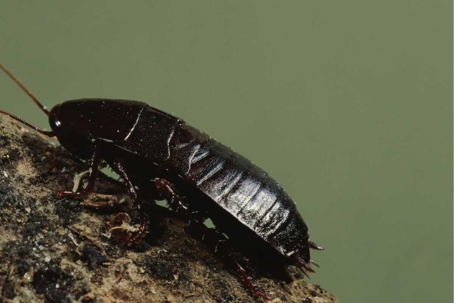
Water Bugs vs Cockroaches
Different types of cockroaches carry varying levels of pathogens. Oriental cockroaches, commonly called water bugs, are more associated with damp environments and can carry bacteria such as Salmonella and E. coli, which contaminate food and surfaces. Knowing the species helps in evaluating the specific health risks to humans.
Targeted Pest Control Strategies: Effective pest management requires species-specific approaches. Oriental cockroaches prefer cool, moist areas and may require different baits, insecticides, or sanitation measures than species like German cockroaches, which thrive indoors in warmer areas. Misidentification can lead to ineffective control and wasted resources.
Behavioral Understanding: Water bugs are slower, less likely to climb walls, and are mainly active at night, whereas other cockroach species may be faster, more elusive, and spread throughout kitchens or living areas. Understanding these differences informs monitoring strategies and placement of traps or baits.
Environmental Management: Oriental cockroaches are often found in sewers, drains, and damp outdoor locations, so control measures include moisture reduction, drainage improvement, and outdoor sanitation. Other cockroaches, such as the German cockroach, require indoor sanitation, reducing food residues, and sealing cracks. Correct identification ensures environmental modifications target the right habitats.
Prevention of Infestation Spread: Different species have distinct breeding rates and dispersal patterns. German cockroaches reproduce rapidly indoors, while water bugs reproduce more slowly but can survive in outdoor water sources and enter homes. Identifying the species helps prioritize preventive measures to reduce the likelihood of widespread infestation.
In some areas, certain cockroach species are monitored for public health purposes. Accurate identification of oriental cockroaches versus other species can be important for compliance with local pest management regulations, especially in food service establishments.
What Are The Differences Between Water Bugs And Cockroaches?
There are a number of differences between water bugs and other types of cockroaches:
Health Implications
Pathogen Transmission: Oriental cockroaches (water bugs) are often found in damp, unsanitary environments like sewers, drains, and outdoors. This increases their likelihood of carrying bacteria such as Salmonella, E. coli, and Listeria, which can contaminate food, water, and surfaces, leading to gastrointestinal illnesses. Other cockroach species, such as German or American cockroaches, are more commonly associated with indoor environments and also carry pathogens, but their risk is primarily linked to food contamination in kitchens and pantries.
Allergen Exposure: While oriental cockroaches can trigger allergies, their contribution to indoor allergen load is generally lower because they prefer outdoor or damp areas. German cockroaches, brown-banded cockroaches, and American cockroaches are more adapted to living inside homes, where their shed skins, feces, and saliva become major indoor allergens, exacerbating asthma and allergic reactions.
Disease Vector Potential: Oriental cockroaches have higher potential to act as mechanical vectors for bacteria picked up from sewage and decaying organic matter. In contrast, indoor-dwelling species like German cockroaches can spread pathogens indirectly by contaminating utensils, countertops, and stored food, though they are less associated with soil-borne or sewage pathogens.
Infestation Severity and Health Impact: German cockroaches reproduce rapidly and can infest kitchens and bathrooms quickly, creating higher indoor allergen concentrations and a more immediate health risk to occupants, especially children or people with asthma. Oriental cockroaches reproduce more slowly and are less likely to infest food preparation areas directly, so their indoor health impact is often lower but still significant if they enter living spaces.
Secondary Health Concerns: Oriental cockroaches may indicate underlying sanitation or moisture problems, which can contribute to mold growth or bacterial proliferation, indirectly affecting health. Indoor-adapted species may worsen indoor air quality more directly through allergen accumulation.
Appearance
Water bugs generally look darker, bulkier, and less agile than other common cockroaches, which tend to have lighter colors, more distinct markings, and a more elongated or banded appearance:
Coloration: Oriental cockroaches, or water bugs, are usually dark brown to black with a shiny, almost wet-looking appearance. In contrast, other cockroaches vary: German cockroaches are light brown with two dark stripes on the pronotum; American cockroaches are reddish-brown with a lighter margin around the thorax; brown-banded cockroaches are light brown with two pale bands across their wings and abdomen.
Size: Oriental cockroaches are relatively large, typically 1 to 1.25 inches long. German cockroaches are much smaller, around 0.5–0.6 inches; American cockroaches are slightly larger, about 1.5 inches; and brown-banded cockroaches are smaller, around 0.5 inches.
Wings: Water bugs have underdeveloped wings; males have short wings that do not fully cover the abdomen, and females appear wingless. German and American cockroaches have fully developed wings and can sometimes glide or fly short distances, while brown-banded cockroaches have wings but are weak fliers.
Oriental cockroaches have a broad, flattened body with a smooth, glossy surface. German cockroaches are slender and lighter, American cockroaches are larger and more elongated, and brown-banded cockroaches are smaller and more compact with a banded pattern.
Behavior
Oriental cockroaches (water bugs) are relatively slow-moving and less agile compared with other species. German cockroaches are fast and elusive, making them difficult to spot, while American cockroaches are strong movers and can even glide short distances. Brown-banded cockroaches are also quick and able to climb smooth surfaces.
Nocturnal vs. Diurnal Activity: Water bugs are primarily nocturnal, emerging at night to forage, while other cockroaches such as American cockroaches can be active during both day and night, and brown-banded cockroaches often move in low-light or dimly lit areas indoors. German cockroaches are strictly nocturnal.
Climbing and Flying Ability: Oriental cockroaches are poor climbers and rarely climb walls or ceilings. In contrast, German cockroaches can climb walls and hide in small crevices, brown-banded cockroaches can infest elevated surfaces, and American cockroaches are capable of limited flight and climbing smooth surfaces.
Feeding Behavior: Oriental cockroaches prefer decaying organic matter, moisture-rich debris, and garbage, making them opportunistic feeders. Other species, like German cockroaches, actively seek human food sources, starches, and sweets indoors. Brown-banded cockroaches feed on dry materials such as paper or glue, and American cockroaches are omnivorous scavengers consuming a wide range of organic material.
Hiding Preferences: Water bugs tend to stay in dark, damp, low-lying areas such as basements, drains, and crawl spaces. German cockroaches hide in cracks and crevices near food and water sources; brown-banded cockroaches occupy high, dry areas such as ceilings, behind picture frames, or furniture; American cockroaches hide in dark, moist environments but may roam extensively.
Oriental cockroaches are less reactive and slower to flee when disturbed. German cockroaches scatter quickly when exposed to light or movement, brown-banded cockroaches dart rapidly to elevated hiding spots, and American cockroaches may fly or run to escape threats.
Reproduction & Growth Potential
Oriental cockroaches (water bugs) reproduce more slowly than most other common cockroach species. Females produce fewer egg cases (oothecae) per lifetime—usually around 8–10—and each egg case contains about 16 eggs. German cockroaches, in contrast, reproduce rapidly, with each female producing up to 8 oothecae in her lifetime, each containing 30–40 eggs.
Development Time: The nymphs of oriental cockroaches take longer to mature, often requiring 6–12 months to reach adulthood, depending on environmental conditions. German cockroach nymphs mature in as little as 2–3 months under favorable indoor conditions. American cockroaches have a moderate developmental period, typically 6–12 months, while brown-banded cockroaches mature in about 2–4 months.
Population Growth Potential: Due to slower reproduction and longer development, oriental cockroaches rarely form large infestations quickly indoors. German cockroaches can establish large populations rapidly because of their fast reproductive cycle. American cockroaches can form moderate infestations over time, while brown-banded cockroaches grow populations at a slower but steady pace in suitable indoor environments.
Egg-Laying Habits: Oriental cockroaches deposit their oothecae in damp, hidden areas near food and moisture sources, often outdoors or in basements. German cockroaches hide their egg cases in cracks and crevices indoors. Brown-banded cockroaches place oothecae in elevated, dry areas, and American cockroaches deposit them in dark, moist environments.
Oriental cockroaches require cooler, moist conditions to thrive, which limits their reproduction indoors. German and brown-banded cockroaches are highly adaptable to warm, dry, indoor environments, supporting faster growth and higher survival rates. American cockroaches need moderate warmth and moisture but can adapt to both indoor and outdoor environments.
Food Preference
While all cockroach species are scavengers, oriental cockroaches are more likely to feed outdoors on natural detritus, whereas indoor species rely heavily on human-associated food sources for survival and rapid reproduction.
Primary Diet: Oriental cockroaches (water bugs) are opportunistic scavengers that prefer decaying organic matter, such as rotting leaves, mulch, garbage, and moist debris. They rarely feed directly on human food unless it is damp or easily accessible.
Human Food Preference: Other species, especially German cockroaches, actively seek human food sources like crumbs, grease, starches, and sweets in kitchens, pantries, and dining areas. They are highly adapted to indoor feeding and will infest food storage areas.
Dry Food Consumption: Brown-banded cockroaches feed on dry materials that are often overlooked, such as paper, glue, book bindings, and wallpaper paste. Oriental cockroaches generally avoid these dry, low-moisture food sources.
Omnivorous Behavior: American cockroaches are broad omnivores, eating a wide range of organic matter including plant material, food scraps, pet food, and decaying matter. Oriental cockroaches are less flexible indoors, relying primarily on moist or decomposing organic material.
Oriental cockroaches require moisture in their food, which is why they are often found near drains, damp basements, and outdoor decaying matter. In contrast, German and brown-banded cockroaches can thrive on relatively dry indoor food sources if accessible.
Habitat Preference
Oriental cockroaches (water bugs) strongly prefer damp, cool environments. They are commonly found in basements, crawl spaces, sewers, drains, and areas with standing water. Other species, such as German cockroaches, prefer warmer, humid indoor areas like kitchens and bathrooms but can tolerate drier spots, while brown-banded cockroaches thrive in dry, elevated locations like ceilings, furniture, and closets. American cockroaches prefer warm, humid environments but can survive both indoors and outdoors, often around gutters, mulch, or leaf litter.
Indoor vs. Outdoor Habitats: Oriental cockroaches are more likely to live outdoors or near the perimeter of buildings and only occasionally invade interiors. German and brown-banded cockroaches are highly adapted to indoor life and rarely survive long outdoors. American cockroaches bridge both environments and can move freely between outdoor and indoor habitats.
Temperature Tolerance: Water bugs prefer cooler areas and are less tolerant of warm, dry indoor conditions. German cockroaches thrive in consistently warm indoor climates, while American cockroaches tolerate a broader range of temperatures but favor warmer regions. Brown-banded cockroaches tolerate drier, warmer indoor spaces.
Sheltering Behavior: Oriental cockroaches often hide under mulch, leaf litter, stones, drains, or inside damp basements. German cockroaches hide in cracks, crevices, behind appliances, and inside cabinets. Brown-banded cockroaches occupy higher, dry locations like picture frames or ceilings, and American cockroaches take shelter in dark, moist, and warm areas such as basements, crawl spaces, and storm drains.
Oriental cockroaches are less dependent on human food and can survive on decaying organic matter outdoors, while other species, especially German cockroaches, rely heavily on human-provided food sources inside homes. Brown-banded cockroaches can survive on starches and paper products, making them less dependent on moist food sources.
Indoor Adaptability
Oriental cockroaches (water bugs) have limited indoor adaptability because they require damp, cool conditions. They tend to remain in basements, crawl spaces, and areas near drains or leaky plumbing. In contrast, German cockroaches are highly adapted to indoor life, thriving in kitchens, bathrooms, and other warm, humid areas without direct water sources.
Temperature Tolerance: Water bugs are less tolerant of warm, dry indoor environments, which restricts their spread inside homes. German and American cockroaches tolerate a wider range of indoor temperatures, making them capable of infesting multiple rooms and even dry areas. Brown-banded cockroaches adapt well to dry, elevated indoor spaces like ceilings and furniture.
Food Source Dependence: Oriental cockroaches can survive indoors on decaying organic matter or damp scraps but are less likely to feed extensively on human food. Other indoor-adapted cockroaches, especially German cockroaches, rely heavily on accessible human food and kitchen residues, making them more likely to establish widespread infestations.
Reproductive Success Indoors: Oriental cockroaches reproduce more slowly and have fewer egg cases, limiting their ability to rapidly colonize indoor spaces. German cockroaches reproduce very quickly in warm, food-rich indoor environments, allowing rapid population growth. American and brown-banded cockroaches have moderate indoor reproductive success depending on the availability of moisture and food.
Mobility and Hiding Behavior: Water bugs are less agile indoors and prefer ground-level hiding spots like basements and drains. German cockroaches are fast, elusive, and able to exploit cracks, crevices, and appliances throughout the house. Brown-banded cockroaches exploit elevated, dry locations, while American cockroaches can move between floors and even fly short distances indoors.
Due to their limited adaptability to indoor warmth and dryness, oriental cockroaches rarely cause large indoor infestations. In contrast, German cockroaches and brown-banded cockroaches can infest entire buildings, and American cockroaches can establish moderate indoor populations if conditions are favorable.