
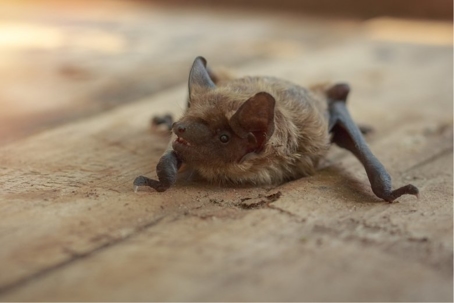
Do Bats Poop?
Yes, bats do poop.
Bat Droppings
Bat droppings, also known as guano, bat poop, bat feces, or bat excrement, carry several significant risks, particularly for human health and property integrity:
Histoplasmosis: The primary concern is a fungal infection caused by Histoplasma capsulatum, which thrives in dried bat guano. Spores become airborne when droppings are disturbed, and inhalation can lead to fever, cough, chest pain, and in severe cases, chronic lung disease.
Other fungal exposures: While less common, other fungi in guano can trigger allergic reactions or respiratory irritation.
Pathogenic Bacteria: Bat droppings can carry bacteria such as Salmonella or E. coli, which may pose a risk if droppings contaminate surfaces that humans touch.
Air Quality Issues: Dried droppings can release fine particulate matter into the air, worsening indoor air quality and triggering asthma or other respiratory conditions in sensitive individuals.
Structural Damage: Guano is acidic and can erode wood, insulation, wiring, and other building materials over time. Large accumulations increase moisture retention, potentially leading to mold growth that compounds health risks.
Secondary Insect Infestations: Guano attracts insects such as beetles and flies, which may carry additional pathogens.
In areas where bats are protected, improper handling of guano can sometimes result in fines or legal violations. Safe removal typically requires personal protective equipment (PPE) and careful containment to prevent fungal spore dispersal.
What Do Bat Droppings Look Like?
Recognizing bat droppings quickly allows for timely precautions to prevent exposure and reduce the risk of disease transmission:
Infestation Detection: Identifying bat guano helps confirm the presence of bats in a structure or property. Bats are nocturnal and often difficult to spot directly, but their droppings accumulate in attics, roofs, and wall voids, serving as a reliable indicator of an infestation.
Damage Assessment: Bat droppings are acidic and can damage wood, insulation, electrical wiring, and other building materials over time. Knowing what to look for allows property owners and pest control professionals to assess structural damage early and plan remediation before it becomes severe and costly.
Targeted Remediation: Different bat species produce droppings of varying sizes, shapes, and consistency. Accurate identification helps determine the species, behavior patterns, and best exclusion or control strategies, leading to safer and more effective removal methods.
Environmental Awareness: Guano attracts other pests such as insects (e.g., beetles and flies) and can contribute to secondary infestations. Recognizing droppings early helps prevent compounding pest problems in addition to the primary bat issue.
Detecting guano accumulation guides ongoing cleaning, sanitation, and property maintenance efforts. Removing droppings safely with proper PPE and protocols is essential to prevent airborne spores and maintain a healthy indoor environment.
What Shape Are Bat Droppings?
Bat droppings (guano) have distinct shapes that vary slightly depending on the species and diet, but there are general patterns that make them identifiable:
Pellet-Shaped: Most insect-eating bats produce small, cylindrical or sausage-shaped pellets, usually about 1/8 to 1/4 inch long. These pellets are often segmented or crumbly and may break apart easily when handled.
Granular or Crumbly: When dry, bat droppings often crumble into a fine, dark powder. This is common under attic roosts or areas where droppings have accumulated over time.
Flat: Fruit bats may produce droppings that are more moist, flattened, and fibrous, sometimes containing visible bits of fruit pulp or seeds.
Unlike rodent droppings, bat guano crumbles easily rather than being hard and uniform, and unlike bird droppings, it usually does not have a white uric acid cap when fresh, though it may appear white after drying.
What Size Are Bat Droppings?
Bat droppings (guano) are generally small, but the exact size depends on the bat species and diet:
Insect-Eating Bats: Typically produce pellet-shaped droppings about 1/8 inch to 1/4 inch (3–6 mm) long and 1/16 inch (1–2 mm) in diameter. Droppings are usually cylindrical, segmented, and crumble easily when touched.
Fruit-Eating Bats: Droppings tend to be slightly larger, softer, and more fibrous due to undigested fruit pulp and seeds. Length can vary but often ranges from 1/4 inch to 1/2 inch (6–12 mm).
What Color Are Bat Droppings?
Bat droppings, also known as guano, can vary in color depending on several factors, including the bat's diet, age of the droppings, and environmental conditions. Here are some of the colors you might encounter:
- Dark Brown or Black: Fresh bat guano is often dark brown or black in color. This color is more common when bats have a diet that includes insects or other dark-colored prey. The moisture content in fresh guano can make it appear slightly shiny or wet.
- Gray or Light Brown: As bat droppings age and dry out, they can become lighter in color. Guano that has been exposed to air and sunlight for an extended period may turn gray or light brown. This color change is especially noticeable in outdoor roosting areas.
- Green or Greenish-Gray: In some cases, bat droppings can have a greenish tinge. This can occur when bats consume fruits or vegetation as part of their diet.
- Yellowish Stains: In addition to the primary colors mentioned above, you might also notice yellowish stains around bat roosting sites. These stains can be a result of urine and may accompany the droppings.
The exact color of bat guano can vary depending on the specific diet of the bats in your area and the conditions in their roosting location. In areas where bats congregate, you may find accumulations of these droppings, which can create distinctive color patterns over time. When dealing with bat droppings, it's important to take precautions, as they can carry health risks, and proper safety measures should be followed during cleanup and removal.
What Bat Droppings Look Like
In addition to their shape, size, and color, bat droppings (guano) have several notable characteristics that can help distinguish them:
Insect-eating bats: Droppings are dry, crumbly, and brittle, breaking easily into powder when disturbed.
Fruit-eating bats: Droppings are softer, moist, and fibrous, sometimes sticky due to undigested fruit matter.
Odor: Fresh guano has a strong, musty, ammonia-like smell that becomes more pungent as it accumulates and dries. Long-standing deposits may have a foul, earthy odor due to bacterial and fungal growth.
Consistency: Typically friable (easily broken) and powdery when dry. May contain tiny fragments of exoskeletons, seeds, or insect parts in the case of insectivorous bats.
Accumulation Pattern: Droppings often pile or scatter under roosting areas, sometimes forming loose mats of guano mixed with urine-soaked areas.
Over time, dried droppings may leave a powdery residue on surfaces, rafters, or floors beneath roosts. This can contribute to dust that becomes airborne, which poses a health risk if inhaled.
Where Are Bat Droppings Found?
Bat droppings are usually found in areas where bats roost, fly, or frequently pass. Here’s a detailed breakdown of the most likely locations:
Attics and Roof Spaces: One of the most common indoor locations. Bats enter through small gaps or vents and roost in attics, often leaving droppings on insulation, beams, or rafters. Accumulations tend to form piles beneath preferred roosting spots, sometimes several inches thick over time.
Eaves, Soffits, and Wall Voids: Bats can squeeze into narrow gaps under eaves or behind siding. Droppings often collect on the ground or on ledges below these entry points.
Chimneys and Vents: Bats may roost in chimneys or ventilation ducts. Guano can fall into the fireplace or vent openings.
Porches, Garages, and Outbuildings: Unused or partially enclosed spaces are attractive to bats. Droppings can accumulate on floors, shelves, or beneath rafters.
Trees and Outdoor Structures: In the wild, bats often roost in tree cavities, under bark, or in dense foliage. Droppings can be found on the ground below these roosts. Outdoor structures like barns, sheds, or covered patios may also collect guano.
Caves and Natural Roosts: In rural or wilderness areas, bats often roost in caves, hollow logs, or rock crevices. Guano piles in these locations can be substantial, forming layers over years.
Water Sources: Occasionally, guano may accumulate near water bodies if bats roost in nearby trees or overhangs, as they frequently drink and feed in these areas.
Look for small piles of droppings, powdery residue, or stains on surfaces beneath roosts. Other clues include noise at dusk, bat sightings, or staining around entry points from urine.
Bat Droppings In Your Attic?
Finding bat droppings in your attic requires careful, systematic action because of the health risks and the potential for property damage. Here’s what to do about it:
Avoid Direct Contact: Do not sweep or vacuum dry bat droppings, as this can release fungal spores (Histoplasma capsulatum) into the air. If you need to enter the attic, wear proper protective gear, including an N95 or higher respirator mask, disposable gloves, protective eyewear, and coveralls or clothing that can be washed immediately.
Confirm Bat Presence: Look for live or dead bats, entry points such as small gaps, vents, or roof openings, and noise at dusk or dawn. Never attempt removal while bats are inside, especially during maternity season, as this can harm the bats and typically violates wildlife regulations.
Restrict Access: Keep children, pets, and unprotected adults away from the contaminated area. Close off attic access temporarily until the problem can be addressed safely.
Plan Safe Removal: Begin with exclusion measures, such as installing one-way bat doors or sealing entry points after bats have left for the night. Never seal an active roost. For guano removal, hire our licensed wildlife and pest control team. Our professionals are experienced with bats, and will remove droppings safely using proper PPE, HEPA vacuums, and sanitizing agents.
Decontamination: After guano removal, disinfect all surfaces with a fungicidal or bleach-based solution. Remove or replace contaminated insulation, which often harbors spores. Inspect the attic for structural damage, staining, or mold growth caused by the droppings.
Prevent Future Infestations: Seal all gaps, vents, and cracks larger than 1/4 inch. Install screens on vents and chimney caps. Consider installing bat houses away from the structure to provide alternative roosting sites.
Anyone who may have inhaled dust or has respiratory symptoms should contact a doctor and mention possible histoplasmosis exposure. Keep detailed records of exposure, cleanup steps, and wildlife removal for safety and legal compliance.
Learn more: How To Get Rid Of Bats