
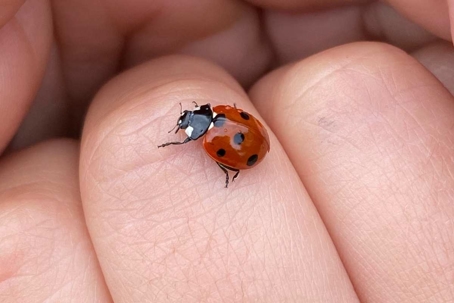
Knowing whether ladybugs are harmful helps determine if they pose a threat to humans, pets, or crops. While most ladybugs are beneficial predators of pests like aphids, certain species (e.g., the Asian lady beetle) can bite, cause allergic reactions, or invade homes in large numbers. Understanding the risk allows for appropriate precautions:
Pest Management Decisions: In agriculture and horticulture, distinguishing between beneficial and harmful ladybugs is critical. Beneficial species support natural pest control, reducing the need for chemical pesticides. Conversely, invasive or harmful species may damage plants or displace native beneficial insects, requiring targeted management strategies.
Health and Safety Considerations: Some ladybugs secrete defensive fluids that can irritate skin or stain surfaces. For individuals with allergies, knowing which species are present can prevent unnecessary exposure and guide safe handling.
Identifying harmful versus beneficial ladybugs helps protect ecological balance. Releasing or tolerating beneficial species can enhance biodiversity, while controlling invasive or harmful species prevents ecological disruption.
Are Ladybugs Harmful?
While ladybugs are often seen as beneficial insects because they feed on plant pests like aphids, certain types—particularly Asian lady beetles (Harmonia axyridis)—can actually be harmful or problematic in several ways. Here are the main concerns:
Home Infestations: Asian lady beetles commonly invade homes in large numbers, especially during fall as they search for warm overwintering sites. Once inside, they gather in attics, wall voids, and around windows, often creating a noticeable nuisance. Large infestations can stain walls, produce unpleasant odors, and be difficult to eradicate without professional help.
Allergic Reactions and Bites: Some people are sensitive to ladybugs, particularly the Asian variety. They can cause allergic reactions, including respiratory issues, eye irritation, or skin rashes. Although ladybugs don’t bite in the traditional sense, they can pinch the skin with their mandibles, leaving small red marks or causing mild discomfort.
Contamination and Odor: When disturbed or crushed, ladybugs secrete a yellowish, foul-smelling fluid called reflex blood. This substance can stain walls, fabrics, and furniture, and emit a strong odor that deters predators—but is highly unpleasant indoors.
Harm to Pets and Other Insects: Some ladybug species, particularly the Asian variety, have been found clinging to pets’ mouths or gums if accidentally ingested. Additionally, invasive ladybugs can outcompete and displace native ladybug species, reducing biodiversity and upsetting the ecological balance.
Agricultural Concerns: While generally helpful to farmers, large populations of invasive lady beetles can cause issues in fruit production. They sometimes feed on ripening soft fruits such as grapes, contaminating harvests and even affecting the taste and quality of wines made from infested grapes.
Crop Contamination and Economic Damage: When large populations of lady beetles infest vineyards or orchards, they often crawl into clusters of ripe fruit, such as grapes, apples, or peaches. When crushed during harvest or winemaking, they release a bitter chemical compound known as methoxypyrazine, which imparts an unpleasant, earthy or musty flavor to wines and juices. This contamination can ruin entire batches of wine and result in significant economic losses for vineyards.
Interference with Beneficial Insects: While ladybugs are known predators of aphids, the Asian lady beetle in particular can also prey on the larvae of other beneficial insects, including native ladybugs, lacewings, and butterflies. This intraguild predation disrupts local ecosystems by reducing populations of other natural pest controllers.
Impact on Domestic Animals: In rare cases, Asian lady beetles have been found inside the mouths of dogs and cats. They can secrete defensive compounds that irritate mucous membranes, causing drooling, mouth ulcers, and temporary refusal to eat. If ingested in large quantities, they may even cause mild gastrointestinal upset.
Potential Mold Growth in Infested Areas: Large indoor infestations can lead to secondary problems such as mold growth. When ladybugs die inside walls or attics, their decaying bodies can attract moisture and serve as organic material for mold colonies, which may pose respiratory risks over time.
Nuisance Swarms and Outdoor Problems: Even before entering homes, Asian lady beetles can congregate in massive swarms on sunny sides of buildings, decks, and vehicles. These swarms can be intimidating, create staining from secreted fluids, and attract secondary pests such as spiders and carpet beetles that feed on dead insects.
Ecological Imbalance and Native Species Decline: Native ladybugs—such as the nine-spotted lady beetle (Coccinella novemnotata)—have drastically declined in areas where Asian lady beetles have become dominant. This displacement not only reduces native biodiversity but also shifts local predator-prey dynamics, altering the natural control of pests and plant health.
While ladybugs are often celebrated as “beneficial insects,” certain invasive species can cause a surprising range of harm—from contaminating crops and damaging homes to threatening native biodiversity and even irritating pets and people. Their dual nature highlights why our professional pest management is often necessary when they appear in overwhelming numbers.
Are Ladybugs Harmless?
Ladybugs are not completely harmless:
Most Ladybugs Are Beneficial: The majority of ladybug species feed on pests like aphids, scale insects, and mites, making them highly beneficial in gardens, farms, and natural ecosystems. They help control pest populations naturally without the need for chemical pesticides.
Some Species Can Be Nuisances: Certain species, particularly the Asian lady beetle (Harmonia axyridis), can become a problem. They often enter homes in large numbers seeking shelter in the fall. While they don’t cause structural damage, they can be a nuisance, emit a yellowish fluid that stains surfaces, and sometimes have a strong odor.
Potential Health Concerns: Ladybugs can bite humans, though bites are usually minor and painless. People with allergies may experience skin irritation, respiratory reactions, or conjunctivitis if exposed to a large number of beetles or their secretions.
Impact on Native Species: Invasive ladybug species can outcompete native ladybugs, reducing biodiversity and disrupting local ecosystems. This indirect harm can affect overall ecological balance.
While most are beneficial, certain species can be nuisance pests, cause minor health issues, or impact the environment if invasive. Understanding the specific species present is key to managing risks effectively.
Learn more: How To Get Rid Of Ladybugs