Mosquitoes
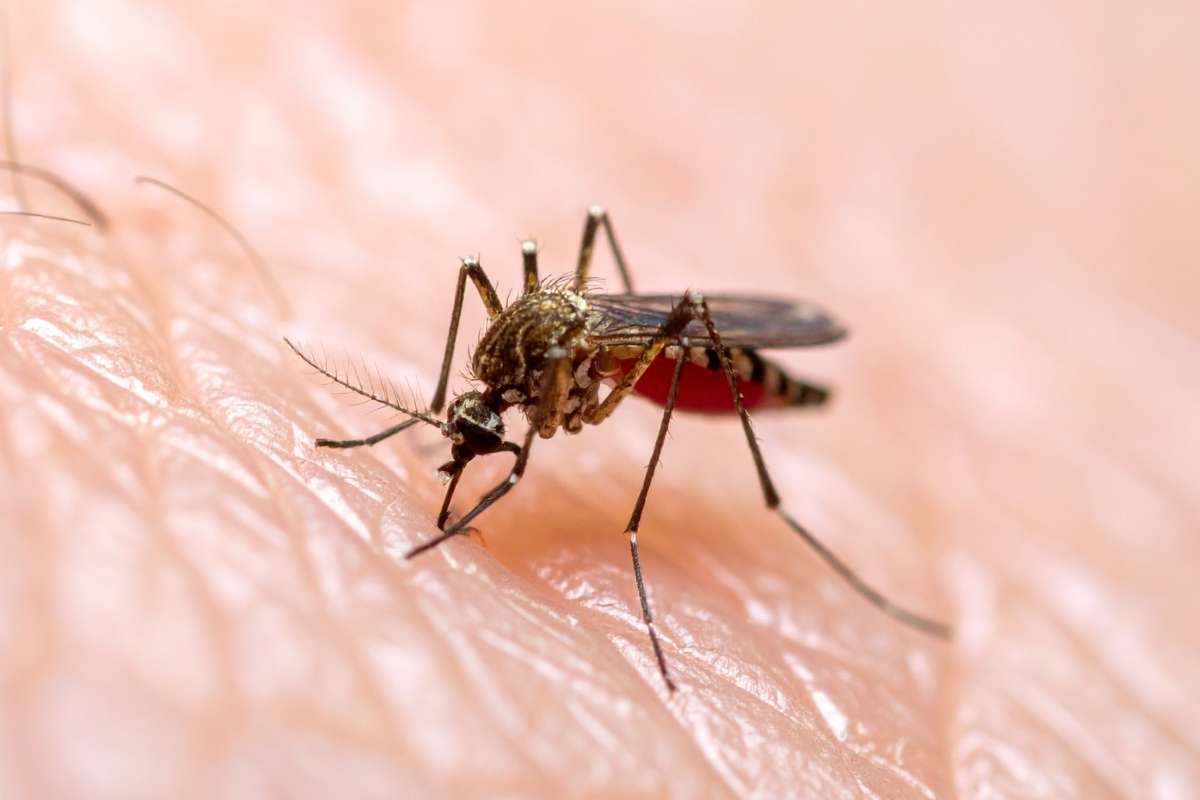
Are Mosquitoes Harmful?
Mosquitoes are considered harmful for several reasons:
- Disease Transmission: Perhaps the most significant reason for their harmfulness is their ability to transmit diseases. Mosquitoes can carry and spread various pathogens, including viruses, bacteria, and parasites, to humans and animals through their bites. Diseases transmitted by mosquitoes include malaria, dengue fever, Zika virus, West Nile virus, yellow fever, chikungunya, and others. These diseases can range from mild to severe and, in some cases, can be fatal.
- Allergic Reactions: Mosquito bites can cause allergic reactions in some individuals, resulting in swelling, redness, itching, and discomfort. For some people, severe allergic reactions to mosquito saliva can lead to more serious symptoms.
- Disruption of Daily Life: Mosquitoes can disrupt outdoor activities and affect quality of life in regions where they are abundant. Their presence can limit outdoor recreation, especially during dawn and dusk when they are most active.
- Impact on Livestock and Wildlife: Mosquitoes can also be harmful to livestock and wildlife. They can transmit diseases to animals, affecting agricultural productivity and wildlife populations.
- Economic Impact: Mosquito-borne diseases can have significant economic implications due to healthcare costs, loss of productivity, and the resources required for disease prevention and control measures.
Efforts to control mosquito populations, such as using insecticides, mosquito nets, eliminating breeding sites, and developing vaccines, aim to reduce the harm caused by these insects.
Learn more: What Do Mosquitoes Look Like? || What Do Mosquitoes Eat?
Mosquito Removal
Eliminating mosquitoes is critical for multiple health, environmental, and economic reasons, and the importance goes far beyond just avoiding itchy bites:
Public Health Risks
Mosquitoes are among the deadliest animals on Earth due to their role as vectors for serious diseases:
- Malaria: Caused by Plasmodium parasites, transmitted by Anopheles mosquitoes, malaria alone causes hundreds of thousands of deaths annually, mostly in children under five.
- Dengue, Zika, and Chikungunya: Transmitted primarily by Aedes species, these viruses can cause severe fever, joint pain, neurological complications, birth defects (Zika), and in some cases, death.
- West Nile Virus and Yellow Fever: Mosquitoes spread these viruses, which can cause encephalitis, liver failure, or hemorrhagic fever.
Even if mortality is avoided, many mosquito-borne illnesses cause chronic health issues, long-term hospitalization, and significant medical costs.
Economic Impact
- Healthcare Costs: Treating mosquito-borne diseases places a heavy burden on healthcare systems, especially in tropical and subtropical regions.
- Lost Productivity: Illness leads to absenteeism in schools and workplaces, affecting community productivity.
- Tourism and Agriculture: Outbreaks of mosquito-borne diseases can reduce tourism and disrupt labor in agriculture, further compounding economic loss.
Quality of Life
Mosquito bites themselves cause itching, swelling, and irritation, which can affect sleep, concentration, and daily comfort.
In areas with dense mosquito populations, outdoor activities may be severely limited, impacting recreation and community engagement, especially in areas with the invasive, day-biting Asian Tiger Mosquito.
Environmental Considerations
While mosquitoes are part of the food chain (e.g., as food for fish, birds, and bats), their rapid population growth in human-dominated environments often leads to disproportionate risks compared to ecological benefits.
Controlling mosquito populations can prevent overpopulation that disrupts local ecosystems and reduces biodiversity of other species indirectly affected by mosquito-borne disease.
Vector Control Prevents Outbreaks
Effective mosquito management (removing breeding sites, larvicides, adulticides, biological controls) significantly reduces the likelihood of outbreaks of serious diseases.
Preventive control is far more effective and cost-efficient than responding after an outbreak occurs.
Mosquitoes are not just a nuisance—they are a major public health threat with widespread social, economic, and ecological consequences. Their elimination or control is essential for protecting human life, maintaining community well-being, and preventing large-scale epidemics.
Learn more: How To Get Rid Of Mosquitoes
Mosquito Control
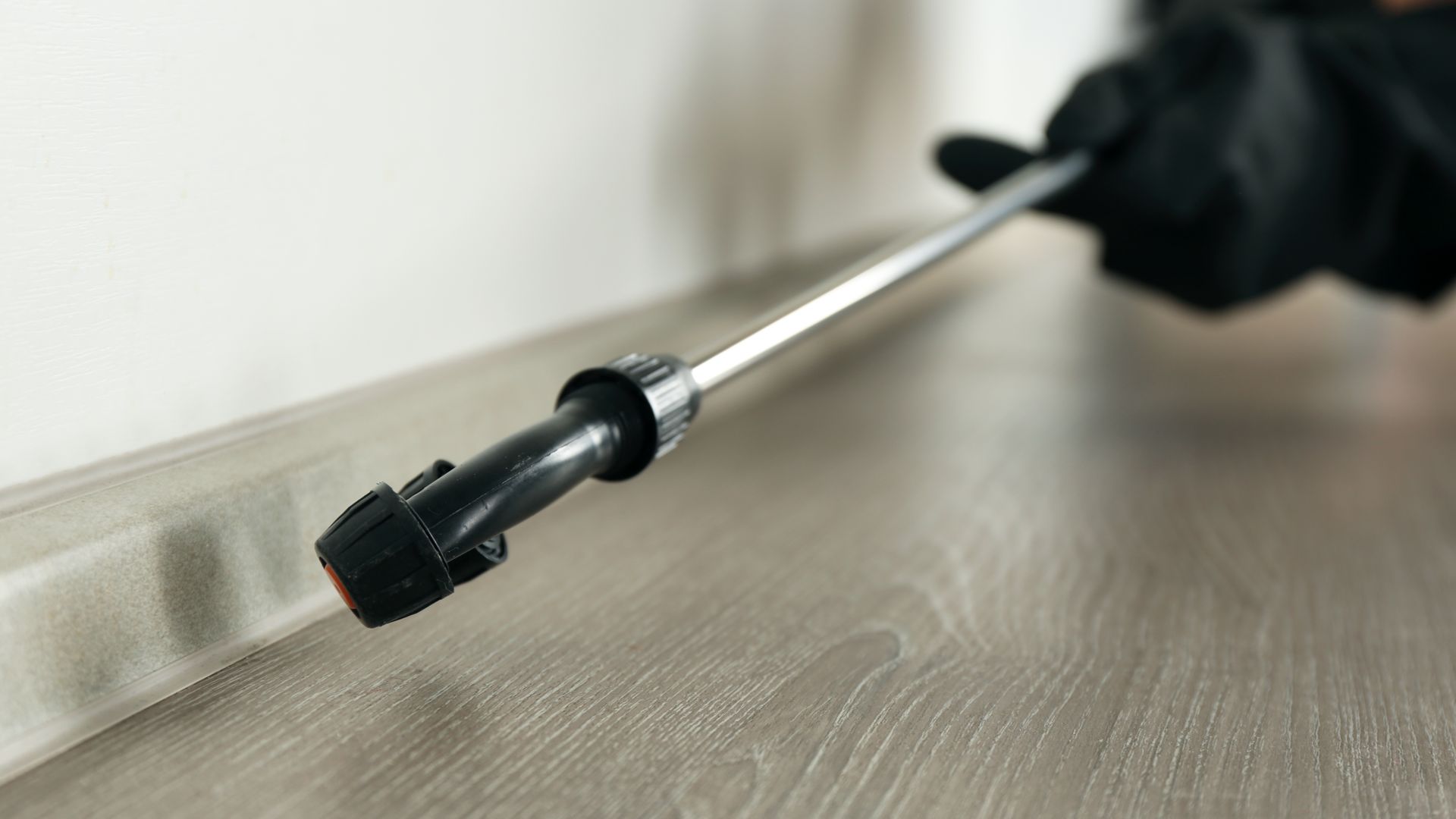
Our professional mosquito control is a smart investment if you want lasting protection, peace of mind, and a healthier outdoor environment. While DIY sprays, candles, or traps may offer temporary relief, they rarely address the root cause of infestations. Here are some of the reasons to consider our professional mosquito control:
- Health Protection: Mosquitoes are more than just a nuisance—they are known carriers of dangerous diseases such as West Nile virus, Zika virus, and various forms of encephalitis. Our professional treatments reduce mosquito populations significantly, lowering the risk of bites and the spread of illness to your family, pets, and guests.
- Long-Term Effectiveness: Consumer-grade repellents only work for a short period. Our professional services use advanced products and targeted applications that break the mosquito life cycle by eliminating both adult mosquitoes and breeding grounds, ensuring more lasting relief.
- Expert Knowledge & Precision: Mosquitoes breed in hidden, hard-to-spot areas—clogged gutters, shaded vegetation, or small collections of standing water. Our professionals know exactly where to look and how to apply treatments for maximum impact, something most homeowners miss with DIY approaches.
- Safe & Targeted Solutions: Our licensed mosquito control specialists use EPA-approved products that are both effective and safe for children, pets, and pollinators when applied correctly. We know how to minimize risks while still achieving strong results.
- Enhanced Outdoor Enjoyment: Whether you’re relaxing in the backyard, hosting gatherings, or running a business with outdoor spaces, our professional mosquito control lets you enjoy those areas without constantly swatting at bugs or worrying about bites.
- Cost-Effective in the Long Run: Constantly buying sprays, traps, and repellents adds up over time but rarely delivers consistent results. Our professional mosquito program provides comprehensive coverage, saving you money, frustration, and time in the long run.
- Customized Treatment Plans: Every property is unique. Our professionals tailor our services to your environment—whether that’s treating shaded wood lines, pond areas, or landscaped yards—ensuring you get the most effective protection possible.
Mosquito Exterminators
Our local exterminators understand the exact mosquito species prevalent in the area, their breeding cycles, and how local weather, standing water patterns, vegetation, and seasonal shifts affect mosquito pressure. This allows us to design treatments that are targeted and effective rather than generic, one-size-fits-all programs often used by national chains.
- Customized treatment plans instead of rigid programs: Our local companies inspects your property and surrounding conditions in detail, then tailors a treatment strategy based on your yard layout, drainage issues, foliage density, nearby water sources, and usage patterns. National companies often rely on standardized schedules and chemical applications that may not fully address the unique conditions driving mosquitoes on your property.
- Faster response times and better accountability: Our local exterminators can respond quickly when mosquito activity spikes or when a retreatment is needed after heavy rain. You’re dealing directly with decision-makers, not a national call center. This accountability results in better service, quicker adjustments, and fewer unresolved issues.
- Higher technician skill and continuity: Our local team consists of experienced technicians who service the same neighborhoods repeatedly. This consistency means your technician knows your property, remembers past problem areas, and can proactively prevent recurring mosquito issues. National companies frequently rotate technicians, leading to inconsistent results and repeated learning curves.
- Greater flexibility with weather and seasonal changes: Mosquito control depends heavily on timing. Our local exterminators adjust our treatments based on real-time weather conditions and mosquito pressure rather than following a fixed corporate schedule. This flexibility leads to more effective control and fewer wasted applications.
- More integrated mosquito control methods: Our local combines larval control, habitat modification, targeted adult treatments, and homeowner education. National companies often focus primarily on spraying, while our local exterminators work to reduce breeding sources and long-term mosquito populations.
- Regulatory knowledge and environmental responsibility: Our local exterminators stay current on state and municipal regulations, local environmental concerns, and best practices for minimizing impact on pollinators and beneficial insects. This results in safer, more responsible mosquito control tailored to local guidelines.
Because our local exterminators focus on precision, accountability, and ongoing property-specific adjustments, we deliver more consistent and lasting mosquito reduction than national companies.
Mosquito Solutions
Our exterminators use Integrated Pest Management (IPM) to control mosquitoes because these insects can transmit serious diseases, such as West Nile virus, Zika, and malaria, while also causing discomfort and nuisance through their bites. IPM begins with a thorough inspection to identify breeding sites, including standing water in gutters, ponds, birdbaths, and other containers, as well as areas of high adult mosquito activity. Management strategies focus on habitat modification by eliminating standing water, improving drainage, maintaining vegetation, and implementing barriers to reduce mosquito access to humans and pets. Biological controls, such as introducing natural predators like fish or bacteria that target larvae, are used where appropriate. Targeted chemical interventions, including larvicides and adulticides, are applied selectively to minimize environmental impact. Ongoing monitoring allows our exterminators to track populations, evaluate treatment effectiveness, and prevent reinfestation. By integrating inspection, habitat management, biological and selective chemical control, and monitoring, IPM provides a long-term, environmentally responsible, and effective approach for managing mosquito populations.
Where Are Mosquitoes Found?
Mosquitoes thrive in various environments worldwide, preferring areas with standing water where they can breed and lay their eggs. Here are some common places where you might encounter mosquitoes:
- Ponds and Lakes: Bodies of water, especially those with stagnant or slow-moving water, provide an ideal breeding ground for mosquitoes.
- Swamps and Wetlands: These areas with marshy or swampy conditions are prime habitats for mosquitoes due to the presence of standing water.
- Puddles and Containers: Even small collections of water, like puddles, birdbaths, flower pots, or clogged gutters, can serve as breeding sites for certain mosquito species.
- Forests and Wooded Areas: Mosquitoes often inhabit wooded regions, particularly areas with dense vegetation where they can find shelter and breeding grounds in small pools or leafy areas.
- Urban Environments: In cities, areas with poor drainage systems or neglected containers (tires, buckets, discarded containers) that collect water can become breeding sites for mosquitoes.
- Dusk and Dawn: Mosquitoes are most active during these times, but they can be present at any time of the day, especially in shaded or damp locations.
- Warm Climates: Mosquitoes are prevalent in warm and humid regions, though they can be found in various climates around the world.
Taking measures to eliminate standing water around your home, using mosquito repellents, wearing long-sleeved clothing, and using mosquito nets can help reduce the likelihood of encountering these insects.
Learn more: How High Do Mosquitoes Fly?
Mosquito Life Cycle
The life cycle of a mosquito consists of four stages: egg, larva, pupa, and adult. This cycle can vary in duration depending on factors like temperature and mosquito species.
- Egg Stage: Female mosquitoes lay their eggs on or near water. These eggs can be laid singly or in clusters and vary in appearance depending on the species. They hatch when exposed to water, and the time taken for eggs to hatch can range from a few days to several weeks.
- Larva Stage: Once the eggs hatch, they enter the larval stage. Mosquito larvae, often called "wrigglers," live in the water and feed on microorganisms and organic matter. They molt several times as they grow. Larvae have distinct characteristics, such as a segmented body, a head with mouthparts for feeding, and a siphon for breathing at the water surface.
- Pupa Stage: After the larval stage, mosquitoes enter the pupal stage. Mosquito pupae, also known as "tumblers," do not feed during this stage. They are relatively inactive and appear comma-shaped, floating in the water. This stage is a transformative phase during which the mosquito undergoes metamorphosis, developing into its adult form.
- Adult Stage: Once the transformation is complete, the adult mosquito emerges from the pupal exoskeleton onto the water's surface. It takes a short time for the mosquito's body to dry and harden before it can fly and begin seeking a blood meal for females (in species that feed on blood) and nectar for males. Adult mosquitoes mate, and the life cycle continues as females seek out suitable sites to lay their eggs, restarting the cycle.
The duration of each stage varies among mosquito species and is influenced by environmental conditions like temperature, humidity, and the availability of suitable breeding sites. In optimal conditions, the life cycle from egg to adult can take as little as a week or two.
Learn more: What Eats Mosquitoes?
Hear From Our Happy Customers
-
"Very Knowledgeable"
The tech that arrived was courteous, professional, and very knowledgeable. He was Great.
- Uerial I. -
"Professional & Considerate"
I’m pleased with Miche services. Jarvis came today. Professional and considerate. Thank you!
- Judy B. -
"Wonderful Service"
Wonderful service. Jarvis is great. Took care of everything I needed. Thank you!
- Henry P. -
"Fantastic & Patient"
Jarvis was fantastic and patient. He answered my questions with an in-depth explanation and addressed all of my areas of concern. Would love for him to be my assigned tech going forward. Well done!
- Yonnette M. -
"Great Communication"
Tech was on time, communication was great, and he accommodated my needs.
- Alonzo W. -
"Exceeds Expectations"
I can’t say enough positive things about this company... The tech that came out, Jarvis went above and beyond my expectations. Thank you guys, I will continue using your services.
- Jake M.