Sparrows
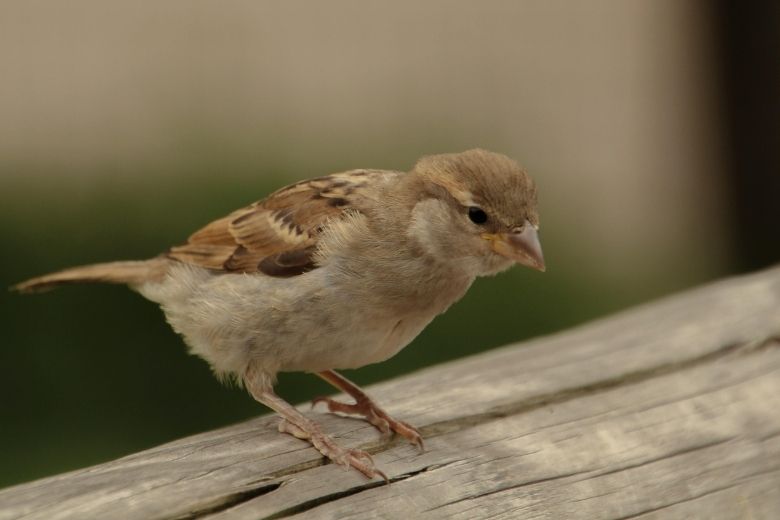
Are Sparrows Harmful?
While sparrows are often appreciated for their small size, adaptability, and chirping songs, these birds can also be considered harmful in certain situations. Here are some ways in which sparrows, particularly the house sparrow (Passer domesticus), can be problematic:
- Nesting in Unwanted Areas: Sparrows often build nests in gutters, vents, eaves, and other structural crevices, which can cause blockages, fire hazards, and deterioration of buildings. Their nests can clog ventilation systems, leading to reduced air circulation and increased maintenance costs.
- Spread of Diseases and Parasites: Sparrows can carry and spread various diseases that may affect humans, livestock, and other birds. These include: Salmonella, which can be transmitted through droppings and contaminated food, and Avian Influenza, which poses a risk to poultry farms, as well as mites and lice, which can invade homes and bite humans, causing irritation.
- Food Contamination: Sparrows often forage in areas with human food sources, such as restaurants, warehouses, and grain storage facilities. Their droppings and feathers can contaminate food supplies, posing health risks and requiring strict sanitation measures.
- Noise and Nuisance: Large populations of sparrows can create excessive noise, especially in urban and suburban settings where they gather in large flocks. Their constant chirping and chatter can be disruptive, particularly in commercial areas or near residences.
- Droppings and Property Damage Sparrow droppings can be acidic and may cause damage to vehicles, buildings, and statues. Accumulated droppings can also lead to unsanitary conditions and require costly cleaning efforts.
Despite these negative impacts, sparrows also play beneficial roles in the ecosystem, such as controlling insect populations and serving as prey for larger birds. However, in cases where their presence becomes problematic, measures such as exclusion techniques, habitat modification, and population control may be necessary.
Learn more: Do Sparrows Bite? || What Do Sparrows Look Like? || What Do Sparrows Eat?
Sparrow Removal
Controlling or removing sparrows, particularly invasive species like the house sparrow (Passer domesticus), is important for several reasons:
- Structural Damage: Sparrows often build nests in eaves, vents, roofs, and other structural openings of buildings. Over time, these nests can block ventilation systems, gutters, and drains, causing water damage and promoting mold growth. Droppings can also accumulate, causing staining, corrosion, and unpleasant odors.
- Health Risks: Like other birds, sparrows can carry and transmit pathogens, including bacteria, viruses, and parasites that may pose risks to humans and domestic animals. Large roosts can produce significant amounts of droppings, which can contaminate surfaces and food sources.
- Urban Nuisance: In cities and towns, sparrows can become a persistent nuisance. Their chirping, droppings, and aggressive behavior around feeders or nesting sites can affect human comfort and property aesthetics.
- Agricultural Impact: Sparrows are notorious for feeding on seeds, grains, and young crops. In regions where they congregate in large flocks, they can cause significant economic losses by consuming or damaging wheat, corn, rice, and other staple crops. This is especially problematic for farmers in rural and semi-urban areas.
- Rapid Reproduction: Sparrows breed quickly and are highly adaptable, meaning that small populations can grow rapidly and become very difficult to control once established. Early management is therefore crucial to prevent population explosions that exacerbate all the above problems.
Effectively managing sparrow populations usually involves a combination of habitat modification, exclusion techniques (like netting or blocking entry points), and, in some cases, population control measures. It’s important that any control approach is legal and environmentally responsible, particularly because sparrows are protected species in certain areas.
Learn more: How To Get Rid Of Sparrows
Sparrow Control
Hiring our professional pest control for sparrows is often the most effective, safe, and long-term solution for dealing with these invasive birds. While sparrows may appear harmless, their presence around homes, businesses, and agricultural areas can lead to significant problems. Here’s why our professional help is strongly recommended:
- Health and Safety Concerns: Sparrows carry and spread diseases such as salmonella, E. coli, and West Nile virus. Their droppings can contaminate food preparation areas and create unsanitary conditions. Accumulated droppings also harbor fungi that cause respiratory illnesses like histoplasmosis, posing risks to families, employees, and customers.
- Property and Structural Damage: Sparrows build nests in gutters, vents, soffits, and machinery. These nests block airflow, increase fire hazards, and cause water damage. Their droppings are highly acidic, corroding metal, damaging roofs, siding, and paint over time. Our professionals know how to remove sparrows and prevent re-entry without damaging the property.
- Business Impact: In commercial areas, sparrow presence around entrances, signage, or warehouses creates an unprofessional and unsafe environment. Our professionals use targeted control strategies to protect facilities.
- Effective, Legal, and Humane Control: Sparrows are invasive, but many bird control methods fall under strict legal guidelines. Our professionals understand which exclusion, deterrent, and removal techniques comply with regulations while remaining humane. Attempting DIY control can lead to ineffective results or even fines if done improperly.
- Long-Term Prevention: Our professional services don't just remove the birds—we address the root causes that attracted them. Our experts implement exclusion methods (netting, spikes, vent covers), habitat modification, and deterrents to prevent sparrows from returning. This saves time, money, and frustration compared to temporary DIY fixes.
Hiring our professional pest control for sparrows protects health, preserves property, ensures compliance with laws, and delivers long-lasting solutions. It’s an investment in safety, efficiency, and peace of mind.
Sparrow Exterminators
Hiring our local exterminators instead of a national company for sparrow control provides several significant advantages:
- Local Expertise and Knowledge: Sparrows exhibit different behaviors depending on the region and local climate. Our local exterminators are familiar with seasonal nesting patterns, common roosting sites, and the specific sparrow species prevalent in the area. We understand which exclusion methods, deterrents, and population control measures are most effective in our specific environment.
- Regulatory Compliance: Many areas have strict wildlife protection laws, and sparrows are often subject to local regulations regarding trapping, nest removal, and habitat disturbance. Our local exterminators are more likely to be fully aware of state and municipal laws, ensuring that any control methods utilized are legal, and reducing the risk of fines or legal issues.
- Faster Response and Flexibility: Our local team can typically respond more quickly to urgent infestations, especially if sparrows are nesting in sensitive areas like vents, roofs, or agricultural facilities. We can provide on-site evaluations and adapt methods in real time, whereas national companies often rely on standardized protocols that are less responsive to immediate conditions.
- Customized, Targeted Solutions: Our local exterminators provide tailored strategies rather than “one-size-fits-all” treatments. For example, we identify the exact points of entry, nesting hotspots, and preferred feeding locations specific to your property, then we combine multiple approaches—like netting, spikes, repellents, and habitat modification—to create a comprehensive, long-term solution.
- Reputation and Accountability: Our local exterminators rely heavily on community reputation and word-of-mouth referrals, which leads to higher quality service and more accountability. We provide personalized customer service and take responsibility for long-term results, rather than following rigid corporate policies.
Local exterminators bring a combination of regional expertise, legal awareness, responsiveness, and customized strategies that national chains usually cannot match—especially when dealing with a persistent and adaptable pest like sparrows.
Sparrow Solutions
Our exterminators use Integrated Pest Management (IPM) to manage sparrows because these birds can become significant nuisances when they roost or nest on buildings, creating noise, fouling, and potential health hazards through droppings. IPM begins with a thorough inspection to identify nesting and roosting sites, population size, and environmental factors that attract sparrows, such as readily available food, water, and shelter. Management strategies focus on non-lethal and preventive measures, including habitat modification to reduce attractiveness, physical exclusion using netting, spikes, or barriers, and selective deterrents like visual or auditory repellents. Regular monitoring ensures that sparrows do not reestablish nesting or roosting areas and allows adjustments to interventions as needed. By combining inspection, habitat modification, exclusion, targeted deterrents, and monitoring, IPM provides a humane, long-term, and environmentally responsible approach to managing sparrow populations while minimizing harm to non-target wildlife.
Where Are Sparrows Found?
Sparrows are highly adaptable birds found in a wide range of habitats worldwide. Their ability to thrive in both urban and rural environments makes them one of the most widespread bird species. Here are the most common places where you’re likely to find sparrows:
- Urban and Suburban Areas: House sparrows (Passer domesticus) are especially common in cities, towns, and neighborhoods. They are often seen perching on buildings, fences, and streetlights. They frequently gather in parks, gardens, and near restaurants where food scraps are available. Nesting sites include rooftops, vents, eaves, and crevices in buildings.
- Farmlands and Agricultural Areas: Sparrows are abundant in rural areas where crops provide a food source. They often forage in fields of wheat, corn, and rice, eating seeds and grains. They may nest in barns, silos, and sheds.
- Woodlands and Shrublands: While house sparrows prefer human-made environments, other sparrow species (such as song sparrows and tree sparrows) can be found in forests, hedgerows, and brushy areas. They build nests in thick vegetation and low trees.
- Grasslands and Open Fields: Many sparrow species, such as the savannah sparrow and grasshopper sparrow, prefer open fields with tall grasses. They often stay close to the ground, camouflaging themselves in the vegetation.
- Near Water Sources: Some sparrow species are found near marshes, wetlands, and riverbanks. They use reeds and tall grasses as nesting sites and find insects and seeds along the water’s edge.
- Bird Feeders and Backyard Gardens: House sparrows are frequent visitors to backyard feeders, especially where seeds like millet, cracked corn, and sunflower seeds are provided. They often nest in birdhouses, shrubs, or ivy-covered walls.
- Transportation Hubs and Industrial Areas: Sparrows often gather around train stations, bus stops, and airports, where food scraps are plentiful. They are common around warehouses and grain storage facilities.
If you’re looking to spot sparrows, your best bet is to check areas where food (seeds, grains, or scraps) is readily available and where they can find shelter for nesting.
Sparrow Life Cycle
The life cycle of sparrows follows a typical bird development pattern, from egg to adulthood. Here’s a breakdown of their life stages:
- Egg Stage: Female sparrows lay 3 to 7 eggs per clutch. The eggs are small, oval-shaped, and usually white, pale blue, or speckled with brown. Incubation lasts 10 to 14 days, with the female doing most of the brooding while the male provides food.
- Hatchling Stage (0–5 Days Old): Chicks hatch blind, featherless, and completely dependent on their parents for warmth and food. Both parents feed the chicks a protein-rich diet of insects. By the end of this stage, they begin to develop soft down feathers.
- Nestling Stage (5–14 Days Old): The chicks start to grow real feathers, but their wings are still underdeveloped. Parents continue feeding them frequently, and they remain in the nest. By around 10–14 days, their feathers have grown enough for them to prepare for fledging.
- Fledgling Stage (14–21 Days Old): The young sparrows leave the nest but stay close by as they are still partially dependent on their parents. Parents continue to feed them for another one to two weeks while they practice flying and foraging. They learn to eat seeds and grains but may still receive insects from their parents.
- Juvenile Stage (3–6 Weeks Old): Young sparrows become fully independent and begin living on their own. Their plumage is similar to adults but may be duller or lack defining markings. They join small flocks and begin to establish territory and social structures.
- Adulthood (6 Weeks and Beyond): Sparrows reach sexual maturity at about 4–6 months old. They typically breed in their first year of life. A single pair can raise 2 to 4 broods per year, especially in warm climates.
- Lifespan of Sparrows: In the wild, sparrows live 3 to 5 years on average due to predation and environmental factors. In captivity or ideal conditions, some have been known to live up to 10–12 years.
Sparrows have a fast and efficient reproductive cycle, which allows them to maintain stable populations despite threats from predators, habitat loss, and competition.
Hear From Our Happy Customers
-
"Fantastic & Patient"
Jarvis was fantastic and patient. He answered my questions with an in-depth explanation and addressed all of my areas of concern. Would love for him to be my assigned tech going forward. Well done!
- Yonnette M. -
"Wonderful Service"
Wonderful service. Jarvis is great. Took care of everything I needed. Thank you!
- Henry P. -
"Exceeds Expectations"
I can’t say enough positive things about this company... The tech that came out, Jarvis went above and beyond my expectations. Thank you guys, I will continue using your services.
- Jake M. -
"Very Knowledgeable"
The tech that arrived was courteous, professional, and very knowledgeable. He was Great.
- Uerial I. -
"Professional & Considerate"
I’m pleased with Miche services. Jarvis came today. Professional and considerate. Thank you!
- Judy B. -
"Great Communication"
Tech was on time, communication was great, and he accommodated my needs.
- Alonzo W.