Beetles
Are Beetles Harmful?
Beetles, a diverse and vast insect order comprising over 350,000 species, can be considered dangerous in various ways depending on the specific species and context. Here's how beetles may pose risks or be considered dangerous:
- Agricultural Pests: Many beetle species are notorious agricultural pests. For instance, the Colorado Potato Beetle can decimate potato crops, causing substantial economic losses. Similarly, the boll weevil is a notorious pest of cotton, leading to reduced yields and increased costs for farmers.
- Forestry Destruction: Bark beetles are known for causing extensive damage to forests. They bore into trees, disrupting the flow of nutrients and water, which can lead to tree mortality. Large-scale infestations of bark beetles have been responsible for significant forest die-offs, impacting ecosystems and timber industries.
- Stored Product Pests: Beetles like the red flour beetle and the confused flour beetle are common pests in stored grains and processed foods. They can contaminate and damage food products, leading to economic losses and food safety concerns.
- Vectoring Disease: Some beetles can serve as vectors for diseases. For example, the Asian longhorned beetle can transmit the fungus that causes Dutch elm disease, which has had devastating effects on elm trees.
- Toxic Secretions: Certain beetle species, such as the blister beetles, release toxic compounds when threatened. Contact with these secretions can cause skin irritation, blistering, or even more severe reactions in some cases.
- Allergies and Asthma: The fine hairs, scales, or body parts of some beetles can trigger allergies and respiratory issues in sensitive individuals. For instance, exposure to carpet beetles can lead to skin rashes or respiratory distress.
- Invasive Species: Invasive beetles, when introduced to new ecosystems, can disrupt local flora and fauna. The emerald ash borer, for example, has led to the destruction of millions of ash trees in North America since its introduction.
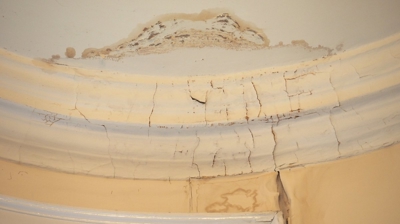
- Structural Damage: Wood-boring beetles, such as the powderpost beetle, can damage wooden structures like furniture, flooring, and timber. Over time, this can lead to the deterioration of buildings and costly repairs.
- Ecological Imbalance: In some cases, beetles can disrupt the balance of ecosystems. The loss of native vegetation due to beetle infestations can affect the habitat and food sources of other organisms, potentially leading to cascading ecological effects.
- Stinging Beetles: While relatively rare, some beetles like the blister beetles and some species of rove beetles can deliver painful stings, which may cause localized pain and discomfort in humans.
Beetles can be considered dangerous in multiple ways, from causing significant agricultural and economic harm to vectoring diseases, triggering allergies, damaging structures, and disrupting ecosystems. However, it's important to note that the majority of beetle species are harmless and play vital roles in ecosystems, such as decomposing organic matter and serving as a food source for other organisms. The perception of danger largely depends on the specific species and the context in which they interact with humans and the environment.
Learn more: Do Beetles Bite? || What Do Beetles Look Like? || Do Beetles Fly? || What Do Beetles Eat?
Beetle Removal
Getting rid of beetles is critical because, depending on the species, they can cause significant structural, economic, and health-related problems:
- Structural Damage: Many beetle species, such as wood-boring beetles (powderpost beetles, bark beetles, and longhorn beetles), infest wooden structures, furniture, and building materials. They tunnel through wood, weakening beams, floors, and other load-bearing elements. Over time, an untreated infestation can compromise the integrity of a building, leading to costly repairs.
- Agricultural and Garden Threats: Certain beetles, like the Colorado potato beetle, Japanese beetle, and boll weevil, feed on crops and ornamental plants. Their feeding habits can devastate vegetables, fruits, and ornamental plants, reducing yields and quality. For commercial agriculture, infestations can lead to significant financial losses and may necessitate heavy pesticide use.
- Stored Product Contamination: Some beetles target stored food products, grains, and pantry items. For example, flour beetles and rice weevils infest cereals, nuts, and dried goods. This not only causes food loss but also contaminates supplies, posing a risk to human consumption.
- Health Concerns: Beetles themselves are not typically direct disease vectors the way mosquitoes and ticks are, but infestations can create secondary issues. For instance, decomposing beetle larvae or frass (insect droppings) can trigger allergic reactions or respiratory issues in sensitive individuals. In large numbers, they can also attract other pests.
- Rapid Reproduction: Beetles often reproduce quickly, and a small population can grow exponentially in a short time. Early eradication is essential to prevent a minor issue from becoming a widespread infestation.
Effectively controlling beetles involves proper identification of the species, inspection of affected areas, and implementation of both preventive and active control measures. Ignoring them can lead to structural, financial, and environmental consequences that escalate quickly.
Learn more: How To Get Rid Of Beetles
Beetle Control
Hiring our professional beetle control is the best decision if you want to fully eliminate the problem, prevent recurring infestations, and protect your property from costly damage. While some beetles are harmless, others—such as carpet beetles, powderpost beetles, or other wood-boring beetles—can cause significant destruction to fabrics, furniture, stored food, and even the structural integrity of your home or business. Here are some of the reasons you should consider our professional beetle control:
- Accurate Identification of the Beetle Species: Different beetles cause different types of problems. For example, carpet beetles target natural fibers, while wood-boring beetles tunnel into furniture and structural wood. Our professionals can correctly identify the species and tailor treatment methods to ensure maximum effectiveness.
- Effective Treatments Beyond DIY Solutions: Store-bought sprays and traps may kill a few visible beetles but rarely address the root cause. Our professionals use advanced, targeted methods such as residual insecticides, growth regulators, and sometimes fumigation for severe infestations. These treatments eliminate the entire population—including larvae—that DIY efforts often miss.
- Prevention of Property Damage: Beetles can cause expensive and long-term harm if not dealt with properly. From destroying clothing, rugs, and upholstery to weakening wooden structures, the damage can accumulate quickly. Our professional control services stop the infestation before it leads to significant repair or replacement costs.
- Comprehensive Inspection and Monitoring: Our licensed exterminators won’t just treat what you see; they’ll inspect hidden areas like crawl spaces, attics, baseboards, and stored goods where beetles often thrive. We also provide ongoing monitoring to prevent a re-infestation.
- Safe and Targeted Application: Our professionals know how to use pesticides safely and strategically. We apply treatments in a way that eliminates beetles without exposing your family, pets, or employees to unnecessary chemicals.
- Long-Term Protection: The goal isn’t just to eliminate the beetles you see today but to keep them from coming back. Our professional services include follow-up treatments, preventative barriers, and advice on proper storage, sanitation, and moisture control—all of which reduce the risk of future infestations.
Dealing with beetles on your own can be frustrating and time-consuming, especially if the infestation continues to reappear. With our professional beetle control, you can rest assured the problem is being handled effectively and permanently.
Beetle Exterminators
Hiring our local exterminators to handle a beetle infestation often offers distinct advantages over relying on a national company, particularly when dealing with persistent or complex infestations. Here’s why our local professionals are a better choice:
- Deep Knowledge of Local Beetle Species: Our local exterminators are familiar with the specific beetle species common to your region, their life cycles, seasonal activity, and preferred habitats. For instance, a beetle species that’s prevalent in one state may be rare or behave differently in another. This insight allows us to apply the most effective, targeted control strategies rather than a one-size-fits-all approach.
- Tailored Treatment Plans: National companies often follow standardized protocols that may not account for unique building materials, climate, or infestation patterns in your area. Our local exterminators evaluate your property carefully and design a customized plan addressing the exact beetle species, the extent of the infestation, and the potential for re-infestation.
- Rapid Response and Accessibility: Our local professionals can typically respond faster in emergencies and provide ongoing follow-up visits as needed. National companies may have slower response times due to scheduling constraints, travel logistics, or reliance on regional contractors.
- Accountability and Reputation: Our local exterminators rely heavily on our community reputation and word-of-mouth referrals. This translates to higher attention to quality, follow-through, and customer service. National chains may be less incentivized to maintain the same level of personal accountability for individual clients.
- Cost Efficiency: Hiring our local exterminators can reduce costs associated with travel, service fees, and unnecessary treatments. We have better knowledge of which methods work locally and can avoid expensive, generic treatments that may not be the most effective solution for your situation.
- Long-Term Prevention: Our local experts provide guidance for long-term beetle prevention that fits the regional climate, building practices, and landscaping trends. This proactive approach minimizes the likelihood of repeat infestations, which is often more sustainable than repeated reactive treatments from a national company.
- Flexibility and Personal Service: Our local exterminators can often adjust schedules, respond to special requests, and provide more personalized communication than a national chain with rigid service protocols and call-center intermediaries.
Our local exterminators combine expertise, speed, customization, and accountability in ways that national companies often cannot match. For infestations like beetles—where species-specific knowledge and careful monitoring are crucial—this difference can be the key to truly eradicating the problem and preventing it from coming back.
Beetle Solutions
Our exterminators use Integrated Pest Management (IPM) to control beetles because these insects can infest a wide range of environments, including stored products, wood structures, and gardens, making indiscriminate chemical treatment inefficient and potentially harmful. IPM begins with a thorough inspection to identify the species, locate breeding sites, and assess the level of infestation, as different beetles require tailored approaches. Management strategies combine habitat modification, such as removing infested materials, improving sanitation, and reducing moisture, with targeted interventions like baits, traps, or localized insecticide applications. Physical exclusion, such as sealing cracks and crevices, prevents reinfestation, while ongoing monitoring allows our exterminators to track activity and adjust treatments as needed. By integrating precise targeting, preventive measures, and minimal chemical use, IPM ensures long-term, environmentally responsible control of beetle populations while reducing structural damage and the risk of recurring infestations.
Where Are Beetles Found?
Beetles are incredibly adaptable and can be found in a wide range of habitats around the world. The specific environments in which you can find beetles will vary depending on the species, but here are some common places to look for beetles:
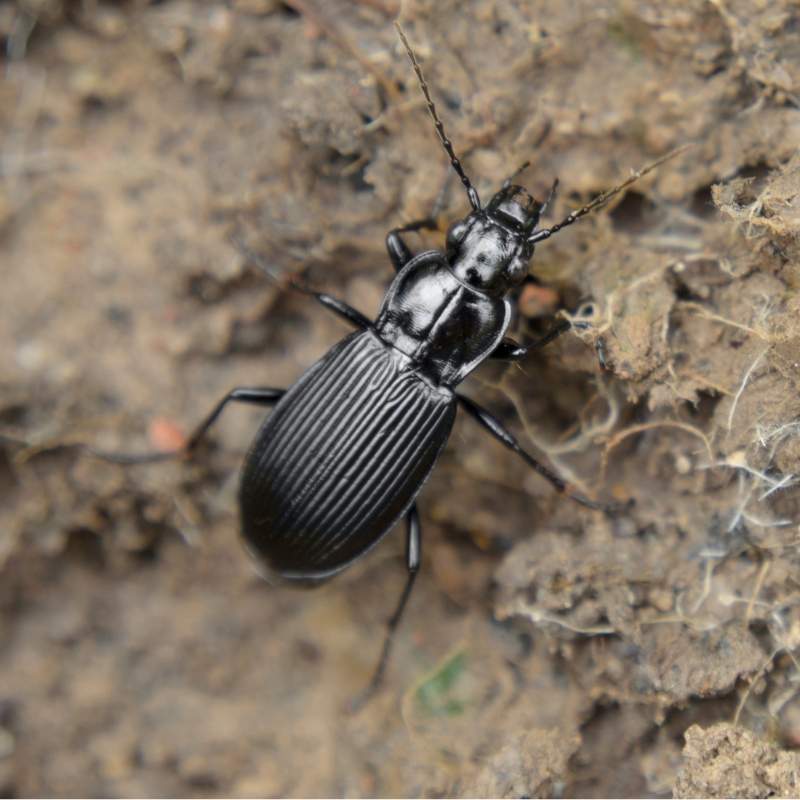
- Gardens and Parks: Many beetle species, including ladybugs and ground beetles, are commonly found in gardens, parks, and other green spaces. They can be found on plants, in soil, and among leaf litter.
- Forests: Beetles are abundant in forest ecosystems. Look under logs, on tree trunks, and among decaying plant matter. You may also encounter longhorn beetles, bark beetles, and many other species in forested areas.
- Fields and Grasslands: Various types of beetles inhabit open grassy areas. You can find them on flowers, in the soil, or among grasses and sedges.
- Wetlands: Aquatic beetles, such as predaceous diving beetles and water scavenger beetles, are common in and around ponds, lakes, and wetlands.
- Streams and Rivers: Some beetles are adapted to living in flowing water. Look for water beetles, which are often good swimmers.
- Caves: Certain beetle species are adapted to life in caves and are specialized for dark, subterranean environments.
- Urban Environments: Beetles are adaptable and can thrive in urban areas. They can be found in gardens, parks, and even in and around buildings. Some, like carpet beetles, may be considered household pests.
- Deserts: Darkling beetles are well-suited to arid desert environments. They are often found on sand dunes and rocky outcrops.
- Decomposing Matter: Many beetles play a crucial role in decomposition. Look for them in compost piles, rotting logs, and animal carcasses.
- Agricultural Fields: Some beetles, such as weevils, can be found in agricultural crops, where they may be considered pests.
- Specific Habitats: Some beetle species are highly specialized and are only found in particular habitats. For example, certain wood-boring beetles live exclusively in dead or decaying trees.
- Altitude: Beetles can be found at a wide range of elevations, from lowland areas to high mountain peaks.
When searching for beetles, consider the time of day, as some species are more active at night, while others are active during the day. Using field guides or consulting with local entomologists or naturalists can be helpful for identifying specific species in your area. Keep in mind that collecting or observing beetles should be done with respect for their habitats and local regulations, and it's often best to release them after observation to minimize environmental impact.
Beetle Life Cycle
The life cycle of beetles is characterized by complete metamorphosis, which consists of four distinct stages: egg, larva, pupa, and adult. This complex life cycle allows beetles to adapt to a wide range of ecological niches. Here is a detailed description of each stage:
- Egg Stage: The life cycle begins when an adult female beetle lays eggs. The number of eggs and the location where they are laid can vary among species. Some beetles lay their eggs on plants, in soil, in or on decaying matter, or in specific host organisms. The size, shape, and color of the eggs also differ between species.
- Larva Stage: Once the eggs hatch, the larvae emerge. Beetle larvae, often called grubs, have soft bodies and undergo significant growth during this stage. Larvae are adapted to their specific dietary requirements, which can vary widely. For example, some are herbivorous, feeding on plant material, while others are scavengers, predators, or wood borers. The larval stage can last from a few weeks to several years, depending on the species and environmental conditions.
- Pupa Stage: After reaching a certain size and completing their larval development, beetles enter the pupa stage. During this stage, they undergo a dramatic transformation as they change from a larval form into the adult form. The pupa is often enclosed within a protective casing, which can be made of soil, leaves, or other materials. Inside the pupal casing, the beetle undergoes metamorphosis, reorganizing its body structure, and developing the characteristics of an adult.
- Adult Stage: Once the transformation is complete, the fully developed adult beetle emerges from the pupal casing. The adult beetle has hardened forewings (elytra) and membranous hind wings for flight. It is at this stage that the beetle becomes sexually mature and capable of reproducing. The length of the adult stage varies among species, with some beetles living only for a few weeks, while others can live for several months or even years.
The duration of each stage in the life cycle can vary significantly depending on the beetle species, environmental conditions, and food availability. The diversity in life cycles allows beetles to occupy a wide range of ecological niches and adapt to various environments. Additionally, some beetles have specific adaptations or behaviors at different life stages, such as feeding, burrowing, or overwintering, which further contribute to their success as a diverse and ecologically significant insect order.
Types Of Beetles
The order Coleoptera, which comprises beetles, is incredibly diverse, with over 350,000 recognized species. Classifying beetles can be challenging due to their immense variety. However, they can be broadly categorized into several major families and subfamilies, each with its own unique characteristics and adaptations. Here are some of the most common types of beetles:
- Carpet Beetles: Carpet beetles are a family of beetles in the Dermestidae family. Dermestids are scavengers and are commonly associated with feeding on dead animal matter, such as dried meat, feathers, fur, and stored food products.
- Click Beetles: Click beetles are slender, elongated beetles known for their hard exoskeleton and unique “click” mechanism, which lets them flip into the air when overturned.
- Lady Beetles (Ladybugs): Ladybugs are known for their distinctive round shape and bright colors. They are often considered beneficial insects because they prey on aphids and other garden pests.
- Powderpost Beetles: Powderpost beetles are small wood-boring beetles that infest hardwoods, leaving behind fine, powdery dust and tiny exit holes as they damage wood structures.
- Weevils: Weevils have elongated heads with mouthparts adapted for feeding on plants. Many are agricultural pests, but some are also important pollinators.
These are just a few examples of beetle families, and there are many more. The diversity of beetles is vast, with each family and subfamily adapted to specific ecological niches and exhibiting unique behaviors and characteristics. Researchers and entomologists continue to discover and classify new beetle species, making them a subject of ongoing scientific study and fascination.
Hear From Our Happy Customers
-
"Exceeds Expectations"
I can’t say enough positive things about this company... The tech that came out, Jarvis went above and beyond my expectations. Thank you guys, I will continue using your services.
- Jake M. -
"Fantastic & Patient"
Jarvis was fantastic and patient. He answered my questions with an in-depth explanation and addressed all of my areas of concern. Would love for him to be my assigned tech going forward. Well done!
- Yonnette M. -
"Professional & Considerate"
I’m pleased with Miche services. Jarvis came today. Professional and considerate. Thank you!
- Judy B. -
"Wonderful Service"
Wonderful service. Jarvis is great. Took care of everything I needed. Thank you!
- Henry P. -
"Great Communication"
Tech was on time, communication was great, and he accommodated my needs.
- Alonzo W. -
"Very Knowledgeable"
The tech that arrived was courteous, professional, and very knowledgeable. He was Great.
- Uerial I.