
What Do Bed Bugs Eat?
Knowing what bed bugs feed on—primarily human blood—is essential because it directly influences where they live and hide. Bed bugs do not eat food scraps, wood, or fabrics; they require access to a blood source. This knowledge allows pest control professionals to predict likely infestation sites, such as mattresses, bed frames, and areas close to sleeping humans.
Effective Treatment Planning: Feeding habits determine when bed bugs are most active. Bed bugs are nocturnal feeders, usually coming out at night when humans are asleep. Knowing this helps in timing inspections, placing monitors, and applying treatments effectively. For example, residual insecticides or heat treatments can be targeted to areas where bed bugs are likely to feed or travel.
Preventing Spread: Understanding that bed bugs require blood explains why they often hitchhike on luggage, clothing, or personal items. This knowledge informs preventive measures, such as inspecting hotel rooms, using protective encasements for mattresses, and laundering clothes in high heat after travel, reducing the risk of transporting bed bugs.
Reducing Misdiagnosis: Misunderstanding bed bug feeding behavior can lead to ineffective control attempts. Some may mistakenly treat non-food areas like kitchen cupboards or garbage areas, which bed bugs rarely infest. Recognizing that their feeding is blood-dependent ensures that inspections and interventions are focused where they matter most.
Public Health and Client Education: Educating clients about bed bug feeding habits helps them understand the urgency of professional treatment. Blood feeding leads to bites, allergic reactions, and potential secondary infections from scratching. Clients are more likely to follow integrated pest management protocols when they grasp why bed bugs target humans and how to minimize exposure.
Knowledge of feeding preferences supports the use of tools like interceptors, bed bug traps, or canine detection. Since bed bugs are attracted to body heat and carbon dioxide, these methods exploit their feeding instincts to detect infestations early, before they become widespread.
What Bed Bugs Eat
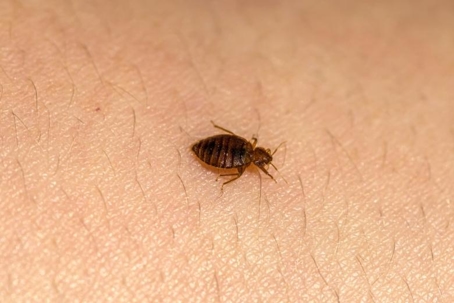
Bed bugs primarily feed on the blood of warm-blooded animals, with humans being their preferred hosts. These tiny, reddish-brown bugs are ectoparasites, meaning they live on the outside of their host's body and feed on their blood. Here is what bed bugs eat:
- Blood: Bed bugs feed exclusively on blood, and they require regular blood meals to survive and reproduce. Their piercing-sucking mouthparts enable them to penetrate the skin of their host and access the blood vessels beneath. They typically feed for about 5-10 minutes, engorging themselves with blood in the process.
- Host Preference: Bed bugs exhibit a strong preference for human blood, but they can also feed on the blood of other mammals and birds. However, they are most adapted to human hosts, as their feeding behavior and body structure are optimized for this purpose.
- Feeding Behavior: Bed bugs are nocturnal creatures, and they are most active at night. They are attracted to their hosts by the carbon dioxide, heat, and body odors that we emit. When a suitable host is found, they use their specialized mouthparts to pierce the skin and inject saliva, which contains anesthetics to numb the area and anticoagulants to prevent the blood from clotting. They then feed on the host's blood.
- Frequency of Feeding: Bed bugs need to feed regularly to survive and reproduce. Depending on environmental conditions, they can go without a meal for several weeks but prefer to feed every 5-10 days when possible. After a blood meal, they return to their hiding places to digest and reproduce.
- Hiding Places: When not feeding, bed bugs hide in cracks and crevices near their host's resting places, such as mattresses, box springs, and furniture. They are excellent at staying hidden, making them challenging to detect and eliminate.
- Life Stages and Feeding: Bed bugs go through several life stages, including eggs, nymphs, and adults. All stages require blood to develop and molt into the next stage. The frequency of feeding depends on the life stage, with nymphs feeding more frequently than adult bed bugs.
- Adaptations for Blood Feeding: Bed bugs have evolved a range of adaptations for blood feeding, including specialized mouthparts, sensory organs to locate hosts, and the ability to withstand starvation periods. These adaptations make them highly efficient at obtaining and processing blood meals.
Bed bugs feed exclusively on the blood of warm-blooded animals, with humans as their preferred hosts. Their feeding behavior is optimized for accessing and consuming blood, and they require regular blood meals to survive, develop, and reproduce. Understanding their feeding habits is essential for effective bed bug control and prevention measures.
How Often Do Bed Bugs Eat?
Bed bugs feed on blood periodically, and the frequency of their feeding depends on various factors, including their life stage, environmental conditions, and the availability of hosts. Here's how often bed bugs feed:
- Life Stage: The frequency of feeding varies throughout the different life stages of bed bugs. Nymphs feed more frequently than adult bed bugs. They may need to feed every few days to molt and progress to the next stage. The exact timing depends on factors like temperature and the availability of hosts. Adult bed bugs can typically go without a blood meal for longer periods compared to nymphs. They can survive for several weeks to several months without feeding, but they prefer to feed every 5-10 days when hosts are readily available.
- Environmental Conditions: The environmental conditions in the infested area play a significant role in determining how often bed bugs feed. Bed bugs are more active and tend to feed more frequently when they are in a favorable environment with suitable temperature and humidity. In less favorable conditions, such as extreme cold, bed bugs might enter a state of dormancy, called diapause, which can extend the time between feedings.
- Availability of Hosts: The presence of available hosts, such as humans or animals, greatly influences the feeding frequency. Bed bugs feed when they detect the presence of a host through cues like carbon dioxide, body heat, and body odors.
- Starvation Tolerance: Bed bugs are remarkably resilient to starvation. They can survive for extended periods without feeding, and this tolerance can vary among individual bugs. Some may withstand starvation longer than others.
Bed bugs require blood meals to survive, develop, and reproduce. The frequency of their feeding depends on factors like their life stage, environmental conditions, and the availability of hosts. Nymphs generally feed more often than adults, and bed bugs can endure periods without feeding, but they prefer to feed regularly when conditions are favorable. Understanding these feeding patterns is important for effective bed bug control and prevention measures.
What Do Bed Bugs Eat Other Than Blood?
Bed bugs are obligate hematophages, meaning their primary and nearly exclusive food source is blood from humans or other warm-blooded animals. They cannot survive long-term on plant material, wood, or typical household food.
Alternative Hosts: While they strongly prefer humans, bed bugs can feed on pets (dogs, cats), birds, or other mammals if humans are unavailable. Their survival depends on access to blood, but they will temporarily feed on alternative hosts when necessary.
Nymph Survival Without Blood: Bed bug nymphs and adults do not eat non-blood foods. They can survive several months without feeding, using stored nutrients, but they cannot sustain growth, reproduction, or long-term survival without periodic blood meals.
Experimental Observations: Laboratory studies show that bed bugs will not feed on sugar, nectar, or other organic material. They may survive for a short time in the absence of blood by slowing metabolism, but this is not a substitute for actual feeding.
Environmental Residues: Some people mistakenly report “feeding” on items like soap, skin flakes, or spilled food. In reality, bed bugs are attracted to warmth, carbon dioxide, and host odors—not these substances. Any contact with these materials is incidental, not nutritional.
Outside of blood, bed bugs do not eat anything. All other materials in the environment serve only as shelter or accidental contact points, not as food sources. Their strict blood-dependency is a key reason infestations require human or animal hosts to persist.
Do Bed Bugs Eat Wood?
Sometimes, people confuse bed bugs with wood-infesting insects like termites, carpenter ants, or powderpost beetles. These pests chew on wood and can leave visible damage, whereas bed bugs do not. Someone seeing small insects in wooden furniture might assume bed bugs are responsible without understanding the feeding differences.
Association with Furniture: Bed bugs are often found in or near wooden items such as bed frames, headboards, and dressers. Because these insects hide in cracks and crevices of wood, people may mistakenly conclude that the bugs are feeding on the wood itself. In reality, they are using the wood for shelter while waiting to feed on blood.
Visible Signs of Infestation: Dark spots, shed skins, or tiny blood stains on or around wooden furniture can be misinterpreted as evidence that bed bugs are eating the wood. These signs actually result from the bugs’ feeding, excrement, or molting, not consumption of wood.
Misinformation Online: Home improvement forums, social media posts, and even casual word-of-mouth sometimes incorrectly suggest that bed bugs consume wood. Without proper understanding of entomology, these myths can easily spread and reinforce misconceptions.
Psychological Bias: People tend to assume that insects must eat the material they inhabit. Seeing bed bugs in wooden beds or furniture can trigger this intuitive but incorrect assumption, especially when they notice bites or other signs and try to connect them to visible evidence.
If someone notices small cracks, scratches, or wear in wood and coincidentally has a bed bug infestation, they might erroneously link the two. The bugs’ presence is coincidental; they hide in existing crevices but do not consume the wood.
Can Bed Bugs Eat Through Plastic?
Bed bugs cannot pierce or eat through plastic. Their mouthparts are designed to pierce skin and suck blood—they are not chewing or biting structures capable of breaking down hard, synthetic materials.
Behavior Around Plastic: Bed bugs may crawl on or hide under plastic surfaces, but they do not consume or penetrate them. Plastic can serve as a barrier, which is why mattress encasements, interceptor traps, and protective coverings made of smooth plastic or vinyl are effective in preventing bed bugs from reaching a host.
Exceptions to Consider: Very thin or poorly sealed plastic coverings might be circumvented if bed bugs can find an edge or seam, but this is a matter of physical access, not feeding. They do not digest or “chew” plastic in any circumstance.
Practical Implications: Using sturdy plastic barriers is a common preventive and management strategy. For example, mattress and box spring encasements prevent bed bugs from hiding inside and biting hosts. Interceptor traps around bed legs use smooth plastic surfaces to capture bed bugs attempting to climb to the bed.
Bed bugs cannot eat through plastic. Plastic acts purely as a physical barrier, and when properly applied, it can significantly reduce bed bug activity and exposure.
Learn more: How To Get Rid Of Bed Bugs