
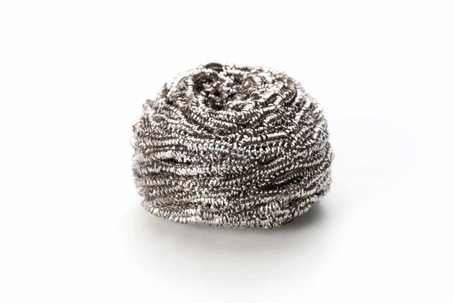
Steel Wool For Mice
Using steel wool for mice can be very effective if done correctly because it blocks their entry points and is difficult for them to chew through. Here’s how to use steel wool for mice:
Identify Entry Points
Mice can squeeze through holes as small as a dime (about 1/4 inch). Common spots include:
Gaps around pipes, vents, or wiring
Cracks in foundations or walls
Spaces around doors or windows
Attics, crawl spaces, or basements
Thoroughly inspect your property, including hidden areas like behind appliances or inside cabinets.
Prepare the Steel Wool
Use medium to coarse grade steel wool (grades 0 to 3 work well).
Cut it into small pieces that can fit snugly into gaps and holes.
For added durability and deterrence, combine steel wool with caulking, expanding foam, or a sealant. This prevents mice from pushing the wool aside and gives a longer-lasting seal.
Install the Steel Wool
Stuff the steel wool firmly into the hole or gap. Mice cannot easily pull it out or chew through it.
Make sure the wool fills the space completely; loosely stuffed wool may be removed by persistent mice.
After stuffing, seal the area with caulk or spray foam to lock it in place. This also improves insulation and weatherproofing.
Check and Maintain
Inspect previously treated areas periodically for signs of chewing or new entry points.
Replace or reinforce steel wool if it becomes loose or degraded over time.
Safety Precautions
Wear gloves when handling steel wool to prevent cuts and irritation.
Be cautious near electrical wiring; steel wool is conductive. Avoid stuffing directly into live wiring gaps. Use alternative sealing methods in those areas.
Complementary Measures
Steel wool is best as part of a comprehensive rodent-proofing strategy:
Keep food stored in sealed containers
Eliminate clutter and nesting sites
Seal all potential entry points, not just the obvious ones
Consider traps or our professional pest control if infestations are severe
When Steel Wool For Mice Is Not Enough
Steel wool can be a very effective physical barrier against mice, but there are situations where steel wool alone is not enough. Understanding these limitations can help prevent frustration and recurring infestations:
Large Infestations
If you already have many mice in your home, steel wool will only block entry points. It does nothing to eliminate mice already inside, so additional methods like traps, baiting (carefully placed), or our professional pest control are needed.
Multiple or Hard-to-Find Entry Points
Mice are extremely small and flexible. A single hole the size of a dime can let them in. If there are numerous tiny cracks or hidden entry points, steel wool alone may not stop them unless you find and seal every opening. Often, these gaps are behind walls, under floors, or in attics, making inspection difficult.
Moisture or Corrosion-Prone Areas
Steel wool rusts quickly if exposed to moisture, which makes it less effective over time. In areas prone to leaks or condensation (around plumbing, windows, or basements), steel wool may degrade. In these cases, stainless steel wool or copper mesh is a better choice.
Areas Near Electrical Wiring
Steel wool is conductive, so it is unsafe to use near live electrical wires. In such cases, alternative barriers like hardware cloth, foam with wire mesh reinforcement, or specialized rodent sealants are safer.
Long-Term Durability
Mice are persistent. Steel wool alone can sometimes be dislodged or chewed through over time. Combining steel wool with caulking, foam, or other sealants ensures a more permanent solution.
Severe Nesting Conditions
If mice have access to food, water, and shelter inside your home, they may keep returning even after steel wool is installed. Without eliminating attractants and cleaning up nests, blocking entry points may reduce but not completely stop the problem.
Steel wool is excellent for blocking known entry points, but it is not a standalone solution for active infestations, hidden gaps, moist environments, electrical hazards, or areas with persistent food sources. For maximum effectiveness, it should be part of a comprehensive rodent control strategy that includes sanitation, trapping, sealing, and monitoring.