
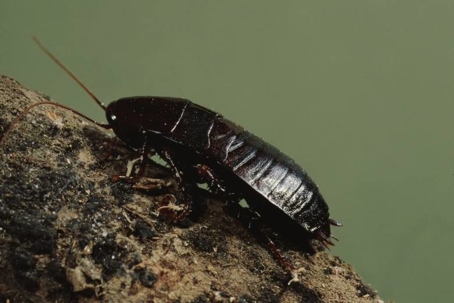
Do Water Bugs Have Teeth?
Water bugs, also known as water beetles, don’t have teeth like mammals do, but these bugs do have strong mouthparts designed for chewing and scraping. These include mandibles—hard, jaw-like structures—that allow them to break down food. While not teeth in the traditional sense, these mandibles are capable of delivering a small pinch if the insect bites defensively.
Can Water Bugs Bite?
Water bugs are capable of biting both people and pets, but such incidents are uncommon and usually occur only when the insect feels threatened or trapped. Their mandibles can deliver a small pinch, yet they are not aggressive and do not seek out humans or animals as prey. Most bites happen accidentally—such as when a bug is disturbed in bedding, under clothing, or during a pet’s curious investigation—and typically result in only mild, short-lived irritation.
Do Water Bugs Bite?
Water bugs are not aggressive and rarely bite humans. However, in extremely unusual circumstances, a bite could occur. Here are some situations where this might happen:
High-Infestation Environments: In severe infestations where water bugs are abundant and food sources are limited, they may become bolder—making incidental contact with people or pets more likely.
Extreme Food Scarcity – If a water bug population is large and food sources are extremely limited, they may resort to nibbling on unusual organic matter, including dead skin cells, in a desperate attempt to find sustenance.
Food Residue on Skin: Water bugs are opportunistic scavengers. If food particles, grease, or sugary residue are on a person’s hands, face, or clothing, the insect may investigate and occasionally bite while attempting to feed.
Pet Food and Bedding: Pets that sleep or eat in damp or cluttered areas may inadvertently disturb a hiding water bug. A startled or cornered bug may bite in self-defense.
Handling or Provocation – If a water bug feels threatened, trapped, or handled roughly, it may defensively bite, though this is highly unlikely given their tendency to flee from humans rather than fight.
Accidental Trapping Against Skin: Bites are most likely when a water bug becomes pinned under clothing, bedding, or a person’s body. Feeling trapped can trigger a defensive nip.
Sleeping Areas: At night, water bugs wander in search of moisture and organic matter. If one crawls across a person or pet while they’re sleeping and becomes trapped in folds of fabric or skin, a bite can occur.
Their bite is not venomous and does not typically cause serious harm. While these situations are rare, the biggest concern with water bugs is their ability to spread bacteria, allergens, and pathogens due to their unsanitary habitats. If an infestation is present, our professional pest control is recommended to reduce health risks.
Do Water Bugs Bite Humans?
Water bugs can bite humans, but it’s uncommon. They don’t seek people out as a food source, and most bites occur only when the insect is trapped against the skin or feels threatened. When bites do happen, they’re usually minor, causing mild redness or irritation rather than significant injury.
Do Water Bugs Bite Pets?
Water bugs are most likely to bite pets when the insect feels cornered, trapped, or accidentally disturbed. This can happen if a pet lies down near clutter, damp areas, or outdoor entry points where the bugs hide. Pets sniffing or pawing at water bugs may also provoke a defensive bite. Incidental bites can occur around pet food dishes or bedding if the insects are searching for moisture or leftover food.
Water Bug Bites
Water bugs are generally not aggressive toward humans and rarely bite. However, in the uncommon event that a bite occurs, there are several potential risks to be aware of:
Do Water Bug Bites Cause Irritation?
The most common irritation is a small, localized red spot at the bite site, similar in appearance to a minor mosquito bite.
Some individuals report a brief, mild stinging or burning feeling immediately after the bite.
Scratching can lead to increased redness, irritation, or even a small skin abrasion, which may prolong healing.
Do Water Bug Bites Itch?
Water bug bites can itch, but the intensity is usually mild. Most people notice light itching or a subtle irritation rather than strong or persistent discomfort. The reaction is typically short-lived, though individuals with sensitive skin may experience slightly more noticeable redness or itchiness.
Do Water Bug Bites Hurt?
Water bug bites are generally not painful. Most people experience only mild discomfort, such as slight itching or a minor burning sensation. Unlike bites from mosquitoes or certain spiders, they rarely cause sharp pain or significant swelling, and any irritation usually subsides within a day or two.
Do Water Bug Bites Cause Allergic Reactions?
People with sensitive skin or existing insect-bite allergies may experience more noticeable inflammation, though reactions are still generally mild compared to other insect bites.
Moderate allergic responses—such as persistent swelling, increased redness, or a spreading rash—are possible but not typical, and usually relate more to individual sensitivity than to the bite itself.
Serious allergic reactions, such as hives or systemic symptoms, are extremely rare and not commonly associated with water bug bites; if they occur, they should be treated as a medical concern.
Do Water Bug Bites Transmit Diseases?
Water bugs (including Oriental cockroaches) are not known to transmit diseases through their bites. Their mouthparts are not efficient disease-delivery mechanisms, and documented cases of disease transmission by biting do not exist.
While the bite itself doesn’t spread disease, water bugs can carry bacteria such as E. coli, Salmonella, and other pathogens on their bodies and legs. These are transferred to surfaces, food, or utensils—not through biting.
The most realistic health concern is a secondary skin infection caused by scratching the bite, which can introduce bacteria already present on the skin or in the environment.
Can Water Bug Bites Get Infected?
Dirt and debris under fingernails—often containing mixed bacteria—can enter the bite area during scratching and trigger localized inflammation or infection:
Staphylococcus aureus: This common skin bacterium is the leading cause of secondary infections in minor insect bites, especially when scratching breaks the skin.
Streptococcus pyogenes: Another frequent cause of secondary skin infections, it can lead to redness, tenderness, and spreading irritation around the bite site.
Other naturally occurring skin microbes may cause irritation or minor infection if the skin barrier is compromised, though these infections are typically mild and easily treated.
Can Water Bug Bites Cause Anxiety?
Even minor bites can trigger worry, especially for individuals already uneasy about insects. The fear of more bugs in the home may amplify general anxiety.
Sleep Disturbance: Concern about encountering water bugs at night can lead to difficulty falling asleep, waking frequently, or avoiding certain rooms altogether.
Hypervigilance: People may become excessively alert to small movements, shadows, or sensations on their skin, interpreting harmless stimuli as potential insect activity.
Stress About Cleanliness or Infestation: A bite can create or intensify stress about home hygiene or pest presence, even if the actual risk is low or the infestation is minor.
The idea of an insect biting can evoke strong feelings of repulsion or loss of control, which often linger longer than the physical symptoms. These feelings can be even more pronounced in people with a pre-existing phobia of bugs and insects.
What Do Water Bug Bites Look Like?
Water bug bites are generally uncommon because these cockroaches are not aggressive biters. When bites do occur, they usually appear as small, red or pink welts on the skin. The size can range from a pinpoint spot to a slightly raised area about 2–5 millimeters in diameter.
Shape and Texture: The bite marks are typically irregular or round in shape and may be slightly raised or inflamed. They can resemble mosquito bites or minor irritations from other insects, making them difficult to identify solely by appearance.
Itching and Irritation: Most reported reactions include mild itching or a burning sensation. In sensitive individuals, the area around the bite may become more noticeably swollen or red, similar to a minor allergic reaction.
Secondary Effects: Scratching the bite can cause additional irritation, possible skin breaks, or secondary bacterial infection. Unlike bites from some insects, water bug bites rarely form blisters or cause intense pain.
Distribution: Bites are often isolated rather than clustered. They tend to occur on exposed areas of the body, such as hands, arms, or legs, particularly if a person accidentally comes into contact with a cockroach.
Symptoms usually subside within a few hours to a couple of days. Persistent redness, swelling, or signs of infection may indicate that medical attention is needed.
Do Water Bug Bites Swell?
Water bug bites may cause minor swelling, but it’s typically mild and localized. The area can appear slightly raised or puffy, similar to a small mosquito bite. More pronounced swelling is uncommon and usually occurs only in individuals with heightened skin sensitivity or mild allergic reactions.
What To Do About Water Bug Bites
If you’re bitten by a water bug, the good news is that these bites are rare and typically not serious. However, proper care helps prevent infection and speeds healing. Here’s what you should do:
Clean the bite immediately: Wash the area thoroughly with warm water and mild soap. This removes bacteria and reduces the risk of infection.
Disinfect the wound: Apply an antiseptic such as hydrogen peroxide, rubbing alcohol, or an over-the-counter antibacterial ointment.
Soothe irritation and swelling: Place a cold compress or ice pack (wrapped in a clean cloth) on the bite for 10–15 minutes to minimize redness and swelling. If the area itches, use calamine lotion, aloe vera, or a hydrocortisone cream.
Avoid scratching: Scratching can break the skin, allowing bacteria to enter and potentially cause an infection.
Take an antihistamine if needed: For itching or mild allergic reactions, an over-the-counter antihistamine such as diphenhydramine (Benadryl) or cetirizine (Zyrtec) can help relieve discomfort.
Monitor for infection: Keep an eye on the bite over the next few days. Seek medical attention if you notice worsening redness, swelling, pus, warmth, or fever — these could indicate a secondary infection.
Water bugs are drawn to damp, dark areas like basements, drains, and under sinks. Eliminating moisture problems, sealing cracks, and using our professional pest control services will prevent future encounters. Contact us to learn more about our professional pest control services.
See also: Do Oriental Cockroaches Bite?