
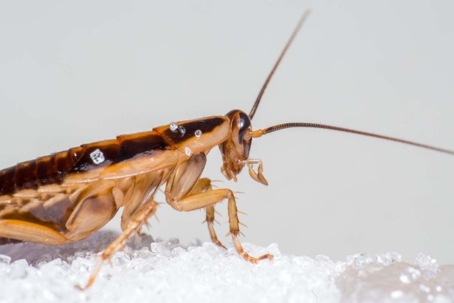
Can German Cockroaches Bite?
Yes, German cockroaches can bite people, but it is relatively uncommon. They are not aggressive toward humans in same the way that some insects are, like mosquitoes or bed bugs, which actively seek blood meals.
Do German Cockroaches Bite?
German cockroaches are not naturally aggressive biters, but they may bite humans in specific situations, usually when their normal food sources or environmental conditions are disrupted. The most common scenarios include:
Severe infestations with limited food: In a densely infested area, if typical food sources (crumbs, grease, garbage) are scarce, cockroaches may resort to biting humans, particularly at night when they are most active.
During sleep: German cockroaches are nocturnal and prefer dark, hidden areas. Exposed skin, such as the face, hands, or arms, can occasionally attract bites while a person is asleep.
Direct contact with skin: If someone rolls over onto a hiding cockroach or touches one during cleaning, the cockroach may bite defensively.
Stress or environmental disruption: When their hiding spots are disturbed by cleaning, moving furniture, or pest control treatments, cockroaches may temporarily become more likely to nibble humans.
Children or immobile individuals: Small children, elderly adults, or bedridden individuals may be more at risk because they are more likely to be in close contact with cockroaches’ hiding areas for extended periods.
Even in these situations, bites are rare and usually minor, producing small red bumps or mild irritation. The bigger health concern with German cockroaches is disease transmission and allergy triggers, rather than biting itself.
German Cockroach Bites
German cockroach bites are relatively rare, but they can happen under certain circumstances. When they do, the risks associated are mostly minor but still noteworthy:
Skin Irritation and Redness: Bites usually appear as small, red, itchy spots, similar to mosquito bites. They may cause localized swelling, irritation, or a burning sensation.
Allergic Reactions: Some individuals may experience a mild allergic response. In rare cases, more severe reactions like hives or swelling around the bite site can occur. People with a known cockroach allergy are at higher risk.
Secondary Infection: Scratching the bite can break the skin and introduce bacteria, potentially causing a secondary infection such as cellulitis.
Psychological Impact: Even without physical harm, the thought of being bitten by cockroaches can cause stress, anxiety, or sleep disturbances, particularly if infestations are ongoing.
Potential Disease Transmission: While German cockroaches are vectors for bacteria and pathogens (like Salmonella or E. coli) through contamination of food and surfaces, there’s no strong evidence that a bite directly transmits disease. The greater risk comes from contact with contaminated surfaces rather than the bite itself.
Typically, bites are tiny, red, slightly raised, and may occur in clusters or lines. They’re most often noticed on the hands, face, or arms, as these are areas cockroaches may contact at night.
What Do German Cockroach Bites Look Like?
German cockroach bites are relatively uncommon, but when they do occur, they tend to be mild and sometimes easily confused with bites from other insects. Here's what they generally look like:
Size and shape: Small, red or pink bumps, usually slightly raised.
Pattern: Often scattered or irregular, not in a straight line like bed bug bites.
Itching or irritation: Mild to moderate itching is common. Some people may experience slight swelling.
Location: Typically on exposed skin, such as the hands, arms, face, or legs, especially areas that are uncovered during sleep.
Duration: Usually resolves within a few hours to a couple of days unless scratched excessively, which can lead to secondary infection.
Important distinction: Many people think they’ve been bitten by German cockroaches when the irritation is actually caused by:
Mosquitoes, fleas, or bed bugs
Allergic reactions to cockroach feces or shed skin
Skin irritation from chemicals or contact with other household irritants
While bites themselves are rare, German cockroaches pose a much greater health risk through contamination and triggering allergies or asthma than through biting.
What To Do If A German Cockroach Bites
If you are bitten by a German cockroach, the bite is usually minor and not dangerous, but it’s important to manage it properly to prevent irritation or infection:
Clean the Area Immediately
Wash the bite with mild soap and warm water to remove any bacteria or debris.
Pat dry with a clean towel—avoid rubbing, which can irritate the skin further.
Reduce Itching and Swelling
Apply a cold compress for 5–10 minutes to reduce swelling and discomfort.
Over-the-counter remedies can help: Antihistamine cream or oral antihistamines (like diphenhydramine) for itching. Hydrocortisone cream for mild inflammation.
Avoid Scratching
Scratching can break the skin and increase the risk of infection.
Keep nails short and clean if the bite is on your hands or arms.
Monitor for Infection
Watch for signs of infection, including redness spreading beyond the bite, warmth, pus, or discharge, and increasing pain or swelling.
If these occur, seek medical attention promptly.
Control the Source
Since German cockroaches do not usually bite unless infestations are severe, the bite indicates there may be a significant infestation. Steps to control them:
Keep food sealed and counters clean.
Eliminate standing water and moisture sources.
Seal cracks, crevices, and gaps in walls, floors, and cabinetry.
Professional pest control is recommended for heavy infestations—they reproduce rapidly and are difficult to eliminate completely with DIY methods.
Prevent Future Bites
Use bed and furniture protection if cockroaches are suspected in bedrooms.
Maintain nighttime hygiene—don’t leave exposed food or dirty dishes out.
Reduce clutter where cockroaches can hide.
A German cockroach bite is rarely medically serious, but cleaning, soothing the bite, monitoring for infection, and addressing the infestation are all important steps.