
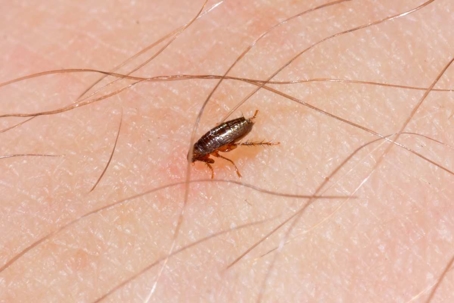
Bed Bug Bites vs Flea Bites
Flea bites and bed bug bites may appear similar, but the treatment approach differs significantly. Flea bites usually require managing pets and their environments, while bed bug bites necessitate addressing human sleeping areas and home infestations. Misidentifying the bites could lead to ineffective treatment, prolonged exposure, and worsening symptoms.
Targeted Pest Control Strategies: Fleas are often associated with animals like cats and dogs, and their control focuses on pet treatments, yard management, and vacuuming. Bed bugs, on the other hand, hide in mattresses, bed frames, and furniture. Identifying the bite correctly allows for targeted interventions, reducing unnecessary chemical use and saving time and cost.
Health Implications and Monitoring: Flea bites can sometimes transmit diseases such as murine typhus or tapeworms in pets, whereas bed bug bites are not known to transmit diseases but can cause severe allergic reactions, secondary infections from scratching, or psychological stress. Knowing which bites are present helps monitor for the right complications.
Preventing Re-infestation: Fleas typically leave the environment once pets are treated, whereas bed bugs are notoriously difficult to eradicate and can spread to neighboring rooms or units. Recognizing the correct pest allows for comprehensive inspection and prevention strategies to stop recurring infestations.
Flea bites are usually small, red, raised bumps with a central puncture, often around the lower legs or ankles, and tend to occur in clusters or lines. Bed bug bites can appear in a linear or zigzag pattern, often on exposed skin like arms, neck, or torso, and may develop delayed reactions. Recognizing these patterns is key for proper identification and response.
What Are The Differences Between Flea Bites And Bed Bug Bites?
There are a number of differences between bed bug bites and flea bites. Here are some of the most notable differences:
Health Implications
Flea bites pose a higher risk for disease transmission, whereas bed bug bites are primarily associated with allergic reactions, skin irritation, and psychological stress:
Disease Transmission
Flea Bites: Fleas are capable of transmitting diseases to humans and pets. Notable examples include murine typhus, plague (Yersinia pestis) in rare cases, and tapeworm infections via fleas ingested by pets. This makes flea infestations a potential vector-borne health concern.
Bed Bug Bites: Bed bugs are not known to transmit infectious diseases. While the bites themselves are generally harmless in terms of pathogen transmission, repeated infestations can still affect overall well-being.
Allergic Reactions
Flea Bites: Can trigger allergic reactions in some people, ranging from mild redness and itching to more severe hypersensitivity reactions. Pets may also develop flea allergy dermatitis, causing secondary skin issues that can indirectly affect human exposure.
Bed Bug Bites: Often provoke itchy welts and sometimes more severe allergic reactions, including large, inflamed rashes. Some individuals develop delayed hypersensitivity reactions, where symptoms appear several days after exposure.
Psychological and Sleep Impact
Flea Bites: Can cause mild discomfort, mainly localized itching, with minor psychological effects unless infestations are severe and ongoing.
Bed Bug Bites: Often have a significant psychological impact due to the nocturnal nature of bed bugs. Anxiety, insomnia, stress, and even post-traumatic stress–like symptoms are commonly reported, particularly with chronic infestations.
Chronic Exposure Effects
Flea Bites: Chronic exposure is more likely to affect pets, but repeated human bites can lead to persistent itching, skin irritation, and cumulative discomfort.
Bed Bug Bites: Chronic exposure can result in sustained allergic reactions, worsening skin conditions, and ongoing psychological stress, even if physical symptoms are relatively mild.
Both bed bug bites and flea bites can lead to secondary infections if scratching occurs, but the nature and severity of health risks differ, guiding the urgency and method of pest control interventions.
Itching & Discomfort
Onset of Itching: Flea bites typically cause itching almost immediately after the bite, starting as a sharp sting followed quickly by persistent irritation. In contrast, bed bug bites may have a delayed onset, with itching appearing several hours to a few days later. Some individuals may initially experience mild or no reaction.
Intensity of Itching: The itching from flea bites is usually intense and localized, concentrated around the lower legs, ankles, and feet. Scratching can lead to small scabs or abrasions. Bed bug bites, however, can cause itching that ranges from mild to severe and often occurs in clusters or linear patterns, affecting multiple areas at once.
Duration of Discomfort: Flea bite discomfort is generally shorter-lived, typically resolving within a few days unless scratching causes secondary infections. Bed bug bite discomfort can persist longer, especially when multiple bites are present or in individuals with heightened sensitivity.
Associated Reactions: Flea bites usually produce small red bumps with central punctures, mild swelling, and localized redness. Allergic reactions are less common but possible in sensitive individuals. Bed bug bites may cause larger welts, more pronounced redness, swelling, and sometimes delayed hypersensitivity reactions, resulting in greater discomfort even without visible bite marks.
Secondary Effects: Scratching flea bites can lead to secondary skin infections such as impetigo or cellulitis. For bed bug bites, in addition to potential secondary infections, repeated bites can cause sleep disturbances, anxiety, and stress, increasing overall discomfort.
Flea bites produce immediate, sharp, and localized itching, while bed bug bites result in delayed, potentially widespread, and longer-lasting discomfort, often accompanied by stronger allergic responses and psychological effects.
Bite Location
Fleas generally bite where they can easily reach after jumping from pets or carpets. The most common sites are the ankles, feet, and lower legs. Occasionally, fleas may bite other exposed areas, but this is less frequent unless someone is sitting or lying near an infested animal. Overall, flea bites are localized in areas that come into contact with pets or the floor rather than spread widely across the body.
Bed bugs target areas of the body that are exposed while sleeping. This typically includes the arms, shoulders, neck, back, face, and sometimes hands. Their bites often appear in linear or zigzag patterns along exposed areas, sometimes forming clusters, reflecting multiple bites in a single feeding session. Unlike flea bites, bed bug bites can affect any exposed skin on the body during sleep.
Flea bites are mostly concentrated on the lower body where contact with pets or floors occurs. In contrast, bed bug bites are found on the upper body and other exposed areas during sleep, often showing patterned arrangements.
Bite Appearance
Flea bites are usually small, red, raised bumps with a tiny puncture mark at the center. They often have a slight halo of redness surrounding the bite.
Bed bug bites tend to be larger red welts or bumps, sometimes slightly raised or flat.
Bite Pattern
Flea Bite Pattern: Flea bites typically appear in small clusters or groups of red, raised bumps. They do not follow a strict linear arrangement but are often concentrated in areas where the skin comes into contact with pets or the floor, such as the lower legs, ankles, and feet. The bites can appear somewhat random but usually remain localized to these exposed areas.
Bed Bug Bite Pattern: Bed bug bites often appear in linear, zigzag, or “breakfast, lunch, and dinner” patterns, reflecting the insect feeding multiple times in one session. They tend to form lines or rows on exposed skin such as the arms, shoulders, neck, back, and face. Clusters can also occur, but the characteristic linear pattern is a key identifying feature.
Spacing Between Bites: Flea bites are generally closely spaced within a cluster, with little regularity in spacing. Bed bug bites, in contrast, are evenly spaced in lines or staggered patterns, which reflects the methodical feeding behavior of the bed bug as it moves along exposed skin.
Localization vs. Distribution: Flea bites are usually localized to lower body regions where contact occurs, while bed bug bites are distributed across multiple exposed areas of the body during sleep. This difference in distribution contributes to the overall visual pattern of the bites.
The random clustered appearance of flea bites versus the linear or patterned arrangement of bed bug bites is one of the most reliable ways to distinguish between the two, especially when combined with knowledge of bite location and timing.
Environmental Cues
Flea Bite Environmental Cues – Pets and Infested Areas
Flea bites are usually associated with pets such as cats and dogs, as fleas feed primarily on animals and only bite humans incidentally. Key environmental indicators include pets scratching or biting themselves, visible fleas on animals, and flea dirt (small black specks of dried blood) in pet bedding or on carpets. Infestations are often localized to areas where pets spend most of their time, such as pet beds, rugs, or upholstered furniture.Flea Bite Environmental Cues – Flooring and Carpets
Fleas live in carpets, rugs, and cracks in flooring, where eggs, larvae, and pupae develop. Humans often get bitten in the lower legs and feet when in contact with these infested areas. Vacuuming or inspecting carpets and pet resting spots may reveal signs of flea activity, such as jumping insects or flea dirt.Bed Bug Bite Environmental Cues – Furniture and Bedding
Bed bug bites are usually linked to the sleeping environment. Key indicators include small blood stains on sheets, dark fecal spots on mattresses or furniture, shed skins, and live bed bugs in mattress seams, headboards, or cracks in furniture. Bed bugs are nocturnal and hide in tight spaces during the day, so infestations may not be immediately obvious.Bed Bug Bite Environmental Cues – Spread and Hiding Places
Bed bugs can spread to adjacent rooms, furniture, or even neighboring apartments, making them more widespread than fleas in a home without pets. They tend to infest bed frames, box springs, nightstands, and behind baseboards or wallpaper, which helps distinguish them from flea infestations.
When evaluating bites, noticing whether pets are present and showing flea activity versus evidence of bed bugs in sleeping areas can help correctly identify the source. Flea infestations are usually pet-centric, whereas bed bug infestations are human-sleeping-area-centric.