
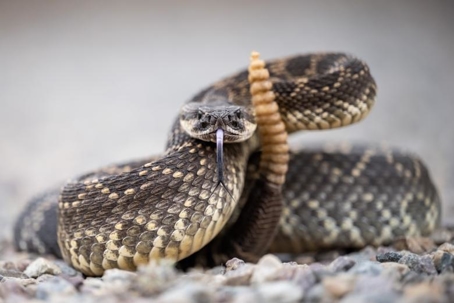
Are Rattlesnakes Venomous?
Rattlesnakes are venomous snakes that use their venom to immobilize prey and aid digestion. Their venom contains toxins that can damage tissue, disrupt blood clotting, and affect the nervous system. They inject venom through specialized fangs during a strike. While bites can be dangerous and require medical attention, fatalities are uncommon with prompt treatment.
How Venomous Are Rattlesnakes?
Rattlesnakes vary in venom potency depending on the species, age, and even individual, but most are considered medically significant to humans. Their venom contains a mix of hemotoxins, which damage tissue and blood vessels, and in some species, neurotoxins, which affect the nervous system and can cause paralysis. The quantity of venom injected in a single bite also varies, influencing the severity of envenomation. While bites are rarely fatal with timely medical treatment, they can cause intense pain, swelling, tissue damage, and systemic effects that may require hospitalization and antivenom. Species such as the eastern diamondback and Mojave rattlesnake are among the most venomous in North America, capable of delivering highly potent venom that poses a serious risk if untreated.
Are Rattlesnakes Deadly?
Rattlesnakes can be deadly, though fatalities are relatively rare with prompt medical care. Their venom is potent and can cause severe tissue damage, internal bleeding, and disruption of the nervous system, depending on the species and amount injected. Larger species, such as the eastern diamondback or Mojave rattlesnake, carry enough venom to pose a serious threat to humans. Most bites, however, are defensive rather than predatory, and rapid treatment with antivenom, along with supportive care, significantly reduces the risk of death. While not all rattlesnake bites are fatal, they should always be treated as a medical emergency due to the potential for serious complications.
Rattlesnake Poison (Rattlesnake Venom)
Rattlesnake venom is a complex mixture of proteins and enzymes that is primarily used to immobilize and digest their prey, which typically consists of rodents and birds. Here is a more detailed overview of rattlesnake venom:
- Composition: Rattlesnake venom is a combination of various components, including proteins, peptides, enzymes, and other bioactive molecules. These components work together to serve different functions in envenomation.
- Prey Digestion: Rattlesnakes use their venom to immobilize and begin digesting their prey before consuming it. The venom's enzymes start breaking down the prey's tissues, making it easier for the snake to ingest.
- Defense Mechanism: Rattlesnakes primarily use their venom as a defense mechanism. When threatened, they may deliver a bite to deter predators or humans. While not all bites result in venom injection, a rattlesnake's bite can be painful and potentially dangerous to humans.
- Variation: There is variation in rattlesnake venom composition among different species and even individuals within the same species. This can lead to variations in the severity of envenomation and the effectiveness of antivenom treatments.
- Evolutionary Adaptation: Rattlesnakes have evolved their venom as an adaptation to their ecological niche as predators of small vertebrates. The potency and composition of their venom have likely evolved over time to maximize their hunting and defense capabilities.
Exercise caution and seek immediate medical attention if bitten by a rattlesnake, as the severity of envenomation can vary, and prompt treatment is essential to prevent serious complications. Additionally, handling rattlesnakes or approaching them in the wild should be avoided to minimize the risk of bites.
Is Rattlesnake Venom Hemotoxic?
Rattlesnake venom is primarily hemotoxic, meaning it targets the blood, blood vessels, and surrounding tissues. Hemotoxins in rattlesnake venom can cause tissue damage, internal bleeding, swelling, and disruption of normal blood clotting. The degree of hemotoxicity varies by species; some rattlesnakes also possess neurotoxic components, but hemotoxic effects are generally dominant. The hemotoxic nature of the venom is a key factor in why rattlesnake bites can lead to severe local injury and systemic complications if not treated promptly.
Is Rattlesnake Venom Neurotoxic?
Rattlesnake venom can contain neurotoxic components, though this varies by species. Neurotoxins in venom affect the nervous system, potentially causing paralysis, muscle weakness, and respiratory difficulties. Some rattlesnake species, such as the Mojave rattlesnake, have venom that is particularly potent in its neurotoxic effects, while others are primarily hemotoxic. The presence of neurotoxins, even in small amounts, can complicate envenomation and requires prompt medical attention to prevent serious systemic effects.
Rattlesnake Envenomation
If you’ve been envenomated by a rattlesnake, the bite may show both local and systemic symptoms. The appearance can vary depending on the species, amount of venom injected, and individual reaction, but typical signs include:
Local Symptoms (around the bite site)
Two puncture marks from the fangs, often 0.5–1 cm apart
Rapid swelling that may spread beyond the immediate bite area
Redness and warmth around the site
Bruising or blistering in severe cases
Severe pain or throbbing, often escalating quickly
Systemic Symptoms (throughout the body)
Nausea or vomiting
Dizziness or fainting
Rapid heartbeat or low blood pressure
Difficulty breathing in extreme cases
Weakness, numbness, or tingling in the limbs
Excessive sweating
Some rattlesnake species have hemotoxic venom, which affects blood clotting and tissue, while others (like Mojave rattlesnakes) may also have neurotoxic components, which affect the nervous system.
Symptoms can develop within minutes, but sometimes may take a few hours. Even if the bite looks minor, all rattlesnake bites should be treated as medical emergencies. Do not try to suck out the venom or apply a tourniquet. Keep the bitten area still and at heart level, and seek emergency care immediately.
How Poisonous Are Rattlesnakes?
Rattlesnakes are not poisonous; they are venomous. There’s an important distinction:
Poisonous means harmful if ingested or touched.
Venomous means they inject venom through a bite or sting.
Rattlesnakes inject venom through their fangs to immobilize prey or defend themselves. Their venom contains proteins that can damage tissue, affect blood clotting, and, in some species, affect the nervous system. This makes their bites potentially dangerous to humans and pets.
Are Rattlesnakes Poisonous To Humans?
Rattlesnakes are not inherently poisonous and are considered safe to eat when properly cleaned and cooked. Like other wild game, it must be handled carefully to avoid contamination from bacteria or parasites. Cooking the meat thoroughly neutralizes any potential pathogens, making it a safe source of protein.