
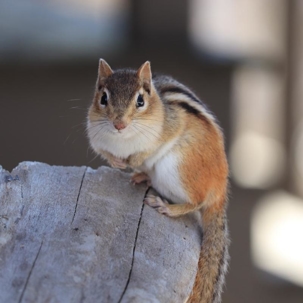
Do Chipmunks Bite?
Chipmunks are small, generally timid rodents, and bites to humans or pets are relatively rare. They usually bite only in very specific situations, often related to fear, self-defense, or competition for food:
Feeling Cornered or Threatened: If a chipmunk is suddenly grabbed, cornered, or trapped (for example, in a hand or cage), it may bite in self-defense. Wild chipmunks rarely approach humans voluntarily; bites typically happen when they perceive no escape route.
Accidental Handling: People trying to feed, pet, or pick up a chipmunk—especially wild ones—may provoke a bite. Baby chipmunks can bite if handled incorrectly, often out of panic or stress.
Food Competition: Chipmunks are food-driven. If someone tries to take food from their mouth or their territory, a bite may occur. Pets that corner or snatch food from a chipmunk may also get bitten.
Protecting Their Nest or Young: Mother chipmunks may act aggressively if humans or pets get too close to their burrows or young.
Provocation or Startling: Loud noises, sudden movements, or chasing them can trigger defensive biting.
Chipmunks are not naturally aggressive toward humans or pets. Most bites occur because the chipmunk is frightened or provoked. Pet owners should be cautious if pets corner chipmunks, as small bites can occur in a defensive reaction.
Chipmunk Bites
Chipmunk bites are generally minor, but there are some potential health risks you should be aware of. Because chipmunks are wild rodents, any bite should be taken seriously and cleaned properly:
Infection
Bacterial infection is the most common risk. Rodents carry bacteria in their mouths, including Streptobacillus, Bartonella, and Staphylococcus species.
Symptoms of infection may include redness, swelling, warmth, pus, and pain around the bite site.
Prompt cleaning and monitoring are essential.
Rabies
Extremely rare in chipmunks. They are not a typical rabies vector.
Rabies transmission from chipmunks to humans or pets is considered highly unlikely, but bites from any mammal should be observed carefully.
Hantavirus and Other Rodent-Borne Diseases
Chipmunks can carry hantavirus, leptospirosis, and salmonella, but transmission through a bite is rare.
The main risk is usually from contact with urine, feces, or saliva, not a bite.
Tetanus
Any puncture wound from an animal bite carries a tetanus risk, especially if the wound is deep or contaminated.
Make sure tetanus vaccinations are up to date.
Allergic Reactions
Though rare, some people may have an allergic reaction to rodent saliva.
Signs include itching, swelling beyond the wound area, or hives.
While chipmunk bites are rarely serious, proper wound care and monitoring are crucial. Most bites result in minor injuries, but infection is the main concern.
What Do Chipmunk Bites Look Like?
Chipmunk bites are usually small but sharp puncture wounds because of the rodent’s tiny, pointed teeth. Here’s a detailed description of what to look for:
Size and Shape: Chipmunks have very small incisors, so the bite typically leaves one or two tiny puncture marks. Marks are usually pinpoint to a few millimeters wide. If the chipmunk bites and shakes its head, scratches, or claws, there may be additional small scratches around the bite.
Depth: Most bites are superficial, affecting only the top layers of skin. Deeper bites are uncommon but possible if the chipmunk clings or struggles.
Bleeding: Minor bleeding is typical; blood may ooze slightly from the punctures. Heavy bleeding is rare unless the bite is aggravated by scratching or if the person has a bleeding disorder.
Surrounding Skin: The area may redden and swell slightly, especially if there is irritation or an early inflammatory response. Sometimes, a small bruise forms around the bite.
Signs of Infection (if untreated): Redness spreading beyond the bite site. Swelling, warmth, tenderness. Pus or discharge. Pain that worsens over a few days.
In Pets
Small dogs or cats may show tiny punctures similar to humans.
There might be scratches from claws if the chipmunk struggles.
Pets may lick or scratch the wound, increasing infection risk.
Chipmunk bites are usually tiny punctures with minimal bleeding, but because they are wild rodents, even minor bites should be cleaned immediately and monitored.
What To Do About Chipmunk Bites
If either you or your pet get bitten by a chipmunk, immediate and thorough care is essential, both to prevent infection and to monitor for any potential complications:
For Humans
Wash the bite thoroughly: Use soap and running water for 5–10 minutes. Make sure to flush out any dirt or debris.
Apply an antiseptic: Iodine, hydrogen peroxide, or an over-the-counter antibiotic ointment can help reduce infection risk.
Stop bleeding: Apply gentle pressure with a clean cloth or sterile gauze if needed.
- Cover the Wound: Use a clean bandage or sterile dressing. Change the dressing at least once daily or if it becomes wet or dirty.
Monitor for Infection: Watch for redness spreading around the bite, swelling or warmth, pus or unusual discharge, increasing pain, and fever or general malaise.
- Seek Medical Care: If the bite is deep, very painful, or shows signs of infection. If your tetanus vaccination isn’t current (within 10 years; within 5 years if it’s a deep wound). If the bite was from a chipmunk acting abnormally (rare, but may be a sign of disease).
For Pets (Dogs or Cats)
Keep your pet calm and restrain gently to prevent further injury.
Flush the bite with clean water; mild antiseptic solutions safe for pets (like diluted chlorhexidine) can be used.
Remove any debris carefully without causing more trauma.
Use an Elizabethan collar (cone) or bandage to prevent the pet from licking or scratching the bite, which can worsen infection.
Watch for redness, swelling, or discharge.
Check for signs of pain, lethargy, loss of appetite, or fever.
Take your pet to a veterinarian as soon as possible, especially if the bite is deep, appears infected, or your pet has any unusual symptoms.
Your vet may prescribe antibiotics to prevent infection and pain management if needed.
Ensure your pet’s vaccinations, especially rabies, are up to date, even though chipmunks are rarely rabid.
Do not attempt to capture or handle wild chipmunks to reduce bite risk. Keep pets away from areas where chipmunks may be cornered or nesting. Wash hands thoroughly after any contact with chipmunks, their burrows, or potential droppings.