
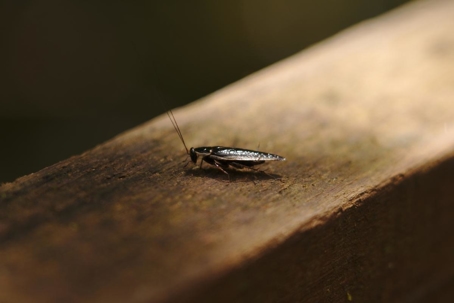
Can Smokybrown Cockroaches Bite?
Smokybrown cockroaches technically can bite, but it’s extremely rare. These roaches are not aggressive toward humans and typically avoid contact. Their mouthparts are capable of chewing food, so a bite could occur only if a cockroach is desperate for moisture or food and comes into contact with exposed skin—such as while someone is sleeping.
Do Smokybrown Cockroaches Bite?
Smokybrown cockroaches are highly unlikely to bite people or pets under normal conditions. They are nocturnal scavengers that prefer decaying organic matter, garbage, and food scraps over living hosts. However, in rare cases, bites may occur in the following situations:
Severe infestations: When populations grow large and food becomes scarce, smokybrown cockroaches may become more desperate and exploratory, increasing the chance of accidental bites on exposed skin.
Contact during sleep: If a cockroach crawls on a sleeping person in search of food residue, sweat, or moisture (such as saliva near the mouth), it might nibble lightly on soft skin.
Presence of food residues: Cockroaches are attracted to crumbs, grease, and even traces of food or drink left on hands, around the mouth, or on pet fur.
Moisture-seeking behavior: Smokybrown cockroaches thrive in humid environments. They may be drawn to perspiration, tears, or moisture around a person’s or pet’s eyes, mouth, or nose.
Confined or disturbed environments: When trapped against the skin or handled roughly, a cockroach might bite defensively, though this is extremely uncommon.
Even then, smokybrown cockroach bites are rare, minor, and non-aggressive. The real problem is their potential to contaminate food, surfaces, and air quality with bacteria and allergens.
Smokybrown Cockroach Bites
Smokybrown cockroach bites are rare, but when they do occur, the primary risks come not from the bite itself, but from the bacteria and pathogens these insects can carry. Smokybrown cockroaches spend time in sewers, drains, garbage, and other unsanitary places, so their mouthparts and bodies often pick up contaminants.
Here are the main risks associated with their bites:
Skin irritation and allergic reactions: The bite site may become red, itchy, and slightly swollen. Some individuals, especially those sensitive to cockroach allergens, may develop stronger reactions such as hives or localized inflammation.
Secondary infection: Because roaches carry bacteria like E. coli, Salmonella, and Staphylococcus, scratching the bite can introduce these germs into the skin, potentially leading to infection.
Allergic responses and asthma triggers: Even without direct bites, contact with roach saliva or droppings can worsen allergies or asthma, especially in children or individuals with respiratory conditions.
Psychological distress: Knowing that a cockroach has bitten you can cause anxiety or sleep disturbances, especially if the infestation is ongoing.
While smokybrown cockroach bites rarely cause serious harm, they’re a sign of a significant infestation that should be addressed promptly.
What Do Smokybrown Cockroach Bites Look Like?
Smokybrown cockroach bites are uncommon and often mistaken for other insect bites. When they do occur, they typically appear as:
Small red bumps or welts – The bite mark is usually round, slightly raised, and red or pink in color.
Localized swelling – The area around the bite may become mildly swollen or irritated.
Itching or mild burning – The bite can cause light itching, tingling, or a burning sensation similar to a mosquito or flea bite.
Clustered marks (occasionally) – If multiple bites occur, they may appear in small clusters or lines, often on exposed areas such as the hands, face, neck, or arms.
Most smokybrown cockroach bites heal quickly, usually within a few days, especially if kept clean and protected. However, scratching the area can lead to secondary infection or prolonged irritation, particularly if the cockroach introduced bacteria from unsanitary surfaces.
If the bite becomes increasingly red, warm, or painful—or if you notice pus or spreading inflammation—it’s important to clean the wound thoroughly and seek medical advice.
What To Do About Smokybrown Cockroach Bites
If you’re bitten by a smokybrown cockroach, the bite itself is rarely serious, but proper care is important to prevent infection or irritation. Here’s what to do:
Clean the area immediately: Wash the bite thoroughly with warm water and mild soap to remove any bacteria or contaminants that the cockroach may have transferred.
Disinfect the bite: After washing, apply an antiseptic such as hydrogen peroxide, rubbing alcohol, or an over-the-counter antibacterial ointment to kill lingering bacteria.
Reduce swelling and itching: Apply a cold compress for 10–15 minutes to reduce inflammation. If the bite itches, use a hydrocortisone cream or an antihistamine (like Benadryl) to relieve discomfort.
Avoid scratching: Scratching can break the skin and allow bacteria to enter, leading to infection. If the bite is very itchy, cover it with a clean bandage to discourage touching.
Monitor for infection: Watch for signs such as increased redness, swelling, warmth, pus, or pain. If these symptoms develop—or if you experience fever or an allergic reaction—contact a healthcare provider promptly.
A smokybrown cockroach bite is a sign of a larger infestation. Smokybrown cockroaches often hide in attics, basements, crawl spaces, and areas with high humidity. Our professional pest control can locate nesting sites, eliminate the population, and prevent future bites or contamination. Contact us to learn more about our professional pest control services.