
Do Palmetto Bugs Bite?
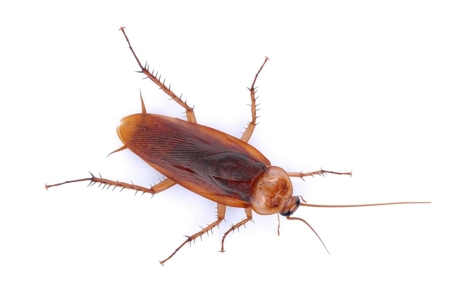
Palmetto bugs, a common name for large cockroaches such as the American cockroach (Periplaneta americana), rarely bite people. These insects are scavengers that prefer to feed on decaying organic matter, food crumbs, and other debris. However, in certain situations—usually when food sources are scarce or infestations are severe—they may bite humans accidentally or out of desperation. Bites are most likely to occur in the following circumstances:
Heavy infestations: When palmetto bug populations are large and competition for food is intense, they may resort to biting people to access food residues on skin, such as grease or food particles.
Nighttime exposure: Palmetto bugs are nocturnal. People who sleep in infested areas may experience bites on exposed skin—typically around the face, mouth, or hands—while they are asleep.
Unsanitary or unmaintained environments: Homes, restaurants, or storage areas with poor sanitation, clutter, or moisture problems can attract these pests and increase the chances of contact with people.
Food residue or perspiration: In rare cases, they may nibble on areas where there is salt or food residue, such as around the lips, fingertips, or nails.
Dead skin or open wounds: They might be drawn to small wounds or scabs if they detect organic material or moisture, though this behavior is uncommon.
Palmetto bug bites are relatively infrequent and typically occur only in environments with significant infestations or poor hygiene conditions. Regular cleaning, sealing entry points, and our professional pest control treatments can prevent the kind of infestations that make bites more likely.
Palmetto Bug Bites
While palmetto bug bites are rare, they can still pose some health risks if they do occur. These large cockroaches are known to carry bacteria, pathogens, and allergens due to their habit of living and feeding in unsanitary places like sewers, drains, and garbage areas. When they bite or come into contact with skin, the following risks can arise:
Skin irritation or allergic reaction: Their bite may cause redness, swelling, itching, or mild pain. In sensitive individuals, it can lead to a stronger allergic reaction with hives or rash-like symptoms.
Secondary infections: Because cockroaches can transfer bacteria such as E. coli, Salmonella, and Staphylococcus, a bite site can become infected if not cleaned properly. Scratching the area increases the risk of infection.
Disease transmission (indirect): While cockroaches aren’t known to transmit diseases directly through bites, they can contaminate surfaces, food, and utensils with pathogens they carry on their bodies or in their droppings. This contamination can lead to gastrointestinal illnesses or food poisoning.
Asthma and respiratory issues: Even though this isn’t a direct result of a bite, palmetto bugs produce allergens from their saliva, feces, and shed skins. These can aggravate asthma and other respiratory problems, especially in children or those with allergies.
Psychological distress: Encounters with large cockroaches can cause anxiety, stress, or sleep disturbances—especially if bites occur during the night.
If someone suspects they’ve been bitten, the area should be washed with soap and warm water, disinfected, and monitored for signs of infection such as increased redness, pus, or swelling. Persistent or severe symptoms warrant medical attention. Controlling the infestation promptly through our professional pest management is the best way to prevent future incidents.
What Do Palmetto Bug Bites Look Like?
Palmetto bug bites typically appear as small, red, raised bumps on the skin, similar in appearance to mosquito or flea bites. Because these cockroaches rarely bite, the marks can easily be mistaken for bites from other insects. When they do occur, the bites usually appear on exposed areas of the body—such as the face, hands, neck, or arms—where the insect had easy access while a person was asleep. Common characteristics of palmetto bug bites include:
Small red welts or bumps: The bite site often appears as a single or clustered group of red, itchy welts.
Mild swelling and irritation: The skin around the bite may become slightly swollen, warm, or tender to the touch.
Itchiness or burning: Many people experience mild itching or a stinging sensation, though this usually subsides within a day or two.
Possible scabbing or crusting: If the area is scratched, it may break open and form a small scab, which can increase the risk of infection.
Localized reaction: In rare cases, individuals with sensitive skin or allergies may develop a more pronounced reaction—larger welts, redness, or blistering.
Palmetto bug bites usually heal within a few days without serious complications if kept clean and undisturbed.
What To Do About Palmetto Bug Bites
If you’re bitten by a palmetto bug, the good news is that these bites are rarely serious and usually heal quickly. However, because cockroaches can carry bacteria and other contaminants, proper care is important to prevent infection or irritation. Here’s what you should do:
Clean the bite immediately: Wash the area thoroughly with warm water and soap to remove any dirt or bacteria the insect may have introduced. This is the most important step.
Disinfect the site: After washing, apply an antiseptic or hydrogen peroxide to kill remaining germs and reduce the risk of infection.
Soothe irritation: If the bite itches or burns, apply a cold compress or ice pack for 10–15 minutes. You can also use an over-the-counter anti-itch cream (like hydrocortisone) or a topical antihistamine.
Avoid scratching: Scratching increases irritation and can open the skin, allowing bacteria to enter and cause infection.
Monitor for infection: Keep an eye on the area for the next few days. Signs of infection include increasing redness, swelling, warmth, pus, or pain. If these occur, contact a healthcare provider.
Take oral medication if needed: For significant itching or swelling, an oral antihistamine (like diphenhydramine or cetirizine) can help reduce the reaction.
Address the source of the problem: A bite almost always indicates a larger infestation. Clean up food crumbs, seal cracks and entry points, eliminate moisture sources, and schedule a professional pest inspection to prevent future encounters. Contact us to schedule a free inspection!
While palmetto bug bites are uncommon, consistent cleaning and our professional pest control services are the most effective ways to ensure they don’t happen again.