
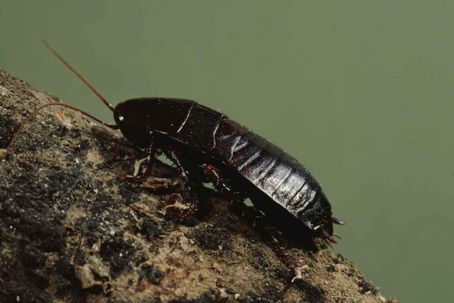
Can Oriental Cockroaches Bite?
Oriental cockroaches, also known as Blatta orientalis, are generally not aggressive toward humans and do not seek out people as a food source. They are much less likely to bite compared to some other types of cockroaches, like German cockroaches or American cockroaches.
Do Oriental Cockroaches Bite?
Oriental cockroaches (Blatta orientalis) are extremely unlikely to bite under normal circumstances, but if they do, it is almost always due to unusual environmental or human factors. The situations where bites could potentially occur include:
Severe infestations with limited food – When a home or building has a very high population of oriental cockroaches and food is scarce, they may resort to nibbling on soft human tissue, such as fingertips or around fingernails.
Immobility or vulnerability of a person – Individuals who are sleeping, unconscious, or otherwise unable to move may attract attention if cockroaches crawl across exposed skin.
Prolonged exposure in damp, dark environments – Oriental cockroaches prefer basements, crawlspaces, and other damp, dark areas. If someone’s hand or foot is in prolonged contact with these environments, a cockroach may bite defensively.
Accidental contact – If a cockroach is trapped between skin and another surface (e.g., a hand pressed against a wall where a cockroach is hiding), it may bite reflexively.
Even in these situations, bites are rare and minor, typically causing only small red marks or slight irritation. The real concern with oriental cockroaches is disease transmission and allergens, not biting.
Oriental Cockroach Bites
Bites from oriental cockroaches (Blatta orientalis) are extremely uncommon, and when they do occur, the associated risks are usually minor. The main concerns include:
Localized skin irritation – A bite may cause redness, slight swelling, itching, or minor discomfort at the site.
Secondary infection – Scratching the bite can introduce bacteria into the skin, potentially causing a mild infection. Proper cleaning and antiseptic care can usually prevent this.
Allergic reactions (rare) – Some individuals may have mild allergic reactions to proteins in the cockroach’s saliva, which could result in itching or hives at the bite site. Severe allergic reactions are extremely uncommon from a bite.
Psychological distress – Even if medically minor, bites can cause anxiety, stress, or sleep disturbances, particularly for people with a fear of insects.
Oriental cockroaches are not venomous, so there’s no risk of systemic toxicity. The bigger health threat comes from bacteria and pathogens they carry, which can contaminate surfaces and food, rather than from the bite itself.
What Do Oriental Cockroach Bites Look Like?
Bites from oriental cockroaches (Blatta orientalis) are extremely rare, but if one were to occur, it would typically appear as a small, superficial skin reaction rather than anything dramatic. Characteristics include:
Small red marks or pinprick spots – Usually only 1–2 millimeters in size.
Slight swelling or raised bumps – Often mild, localized around the bite site.
Itching or minor irritation – Some people may experience mild discomfort or a tingling sensation.
Occasional minor bruising or tiny scab – Rare, usually from scratching the area.
Unlike bites from spiders or some insects, oriental cockroach bites do not cause venomous reactions, blisters, or severe pain. They are essentially a minor, localized skin irritation.
What To Do About Oriental Cockroach Bites
If you are bitten by an oriental cockroach (Blatta orientalis), the bite is usually minor, but proper care can prevent infection and reduce discomfort. Here’s a step-by-step guide:
Clean the area immediately – Wash the bite thoroughly with soap and warm water to remove any bacteria or debris.
Apply an antiseptic – Use an over-the-counter antiseptic or antibiotic ointment to reduce the risk of infection.
Reduce swelling and itching – Apply a cool compress for 10–15 minutes to calm irritation. Over-the-counter hydrocortisone cream or an antihistamine can help with itching if necessary.
Avoid scratching – Scratching can break the skin and increase the risk of secondary bacterial infection.
Monitor for infection – Watch for signs such as increased redness, warmth, swelling, pus, or worsening pain. If these occur, seek medical attention promptly.
Seek medical care if needed – Although rare, if you experience an allergic reaction (severe itching, hives, swelling beyond the bite, or difficulty breathing), seek medical attention immediately.
Prevent future bites – Control the infestation by removing moisture, sealing cracks, cleaning surfaces, and using our professional pest control if needed. Oriental cockroaches prefer damp, dark areas, so keeping these conditions in check reduces contact. Contact us to learn more about our professional pest control services.
Bites from oriental cockroaches are very uncommon, and most cases resolve without complications with simple home care.