
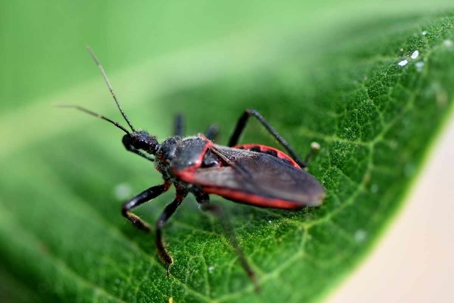
Do Kissing Bugs Bite?
Kissing bugs, also known as triatomine bugs, are most likely to bite under specific conditions:
At night during sleep: Kissing bugs are nocturnal feeders. They are most active after dark and tend to bite people while they are sleeping, often targeting exposed skin on the face, neck, arms, or hands.
Near areas where the bugs live: These bugs are attracted to houses or shelters close to their natural habitats, which can include areas with wild animals, rodents, or birds. They often enter homes seeking a blood meal, hiding in cracks, crevices, behind furniture, or near beds.
In regions with poor housing conditions: Kissing bugs are more likely to infest homes with gaps in walls, roofs, or windows, providing easy access to humans.
During warm months: Their activity increases in warm weather, which is when they are more likely to be noticed biting humans.
Near pets or domestic animals: Dogs, cats, or livestock can attract kissing bugs, and humans sleeping near these animals may also get bitten.
Where food sources are nearby: Areas with rodents, opossums, bats, or other mammals increase the risk of human bites, as the bugs migrate between animal hosts and people.
A key point is that kissing bug bites are usually painless, and these bugs often feed without being noticed until after the bite, when red, itchy welts appear. They are also of concern because they can transmit Chagas disease, a serious parasitic infection.
Kissing Bug Bites
Kissing bug bites carry several health risks, primarily due to their role as vectors of Chagas disease, although there are additional minor risks as well:
Chagas Disease (Trypanosoma cruzi infection)
Kissing bugs themselves do not inject the parasite directly through their bite. Instead, they defecate near the bite site while feeding, and the parasite enters the body when the feces are scratched into the skin or enter mucous membranes (eyes, mouth).
Acute phase symptoms (short-term, often mild): Fever, fatigue, swelling at the bite site or around the eyes (often called a “Romaña sign”), headache, body aches.
Chronic phase risks (long-term, potentially severe): Heart complications such as cardiomyopathy, arrhythmias, heart failure. Gastrointestinal issues such as enlarged esophagus (megaesophagus) or colon (megacolon). Can remain asymptomatic for years, making detection difficult
Local Skin Reactions
Red, itchy welts at the bite site
Swelling or inflammation in some people
Rarely, secondary infections can occur if bites are scratched excessively
Allergic Reactions
Some individuals may have more severe allergic responses to kissing bug saliva:
Intense itching, hives, or rash
In rare cases, anaphylaxis (life-threatening allergic reaction)
Psychological and Sleep Disruption
Fear of nocturnal bites can lead to anxiety, insomnia, or stress, particularly in heavily infested homes
While most kissing bug bites cause only minor irritation, the primary concern is the potential transmission of Chagas disease, which can have serious long-term effects. Prompt identification and precautions are essential in regions where these bugs are common.
What Do Kissing Bug Bites Look Like?
Kissing bug bites have some characteristic features, but they can vary depending on the person’s reaction:
Typical Appearance
Small, red bumps or welts: Usually raised and slightly swollen.
Clustered or linear pattern: Bites often appear in groups or lines, because the bug may feed in multiple nearby spots.
Painless initially: Many people do not notice the bite while it happens. The redness and itching usually appear hours later.
Size and Color
The bumps are generally small to medium-sized, around 2–5 mm in diameter.
The color may range from pink to red, sometimes with a tiny central puncture mark.
Common Bite Locations
Face and lips: Kissing bugs often target exposed skin while sleeping.
Neck, arms, and hands: Areas of skin not covered by clothing.
Additional Reactions
Itching or burning sensation develops within a few hours.
Swelling may occur, particularly in sensitive individuals.
Rarely, blistering or hives can occur in people with stronger allergic reactions.
Distinguishing Feature
Unlike mosquito bites, which are often scattered randomly, kissing bug bites tend to appear in clusters or straight lines because the bug probes the skin multiple times in one feeding session.
What To Do About Kissing Bug Bites
If you get bitten by a kissing bug, it’s important to treat the bite properly and monitor for potential health issues, especially because of the risk of Chagas disease:
Immediate Bite Care
Clean the bite area: Wash thoroughly with soap and warm water to remove any bacteria or debris.
Apply an antiseptic: Use an over-the-counter antiseptic like iodine or alcohol to reduce infection risk.
Reduce itching and swelling: Apply a cold compress for 10–15 minutes at a time. Use over-the-counter anti-itch creams (hydrocortisone or calamine lotion). Oral antihistamines (like cetirizine or diphenhydramine) can help with itching if needed.
Monitor for Allergic Reactions
Watch for severe swelling, hives, difficulty breathing, or dizziness, which could indicate an allergic reaction.
Seek immediate medical attention if any of these severe symptoms occur.
Watch for Signs of Infection
Redness spreading around the bite
Pus or fluid
Increasing pain or warmth
If these occur, contact a healthcare provider for evaluation.
Be Alert for Chagas Disease Symptoms
Early signs (within weeks): Fever, fatigue, body aches, swelling near bite, or eye swelling (“Romaña sign”).
Long-term risks: Heart or digestive problems can develop years later.
If you are in an area where Chagas disease is present or the bug was identified as infected, see a doctor promptly. Blood tests can detect the parasite, and early treatment is most effective.
Prevent Future Bites
Seal cracks and gaps in walls, doors, and windows.
Install tight-fitting screens on doors and windows.
Keep beds away from walls and avoid sleeping near pets if they attract the bugs.
Remove woodpiles or debris near the house that could harbor kissing bugs.
Prompt attention to the bite and awareness of potential complications can greatly reduce risks.