
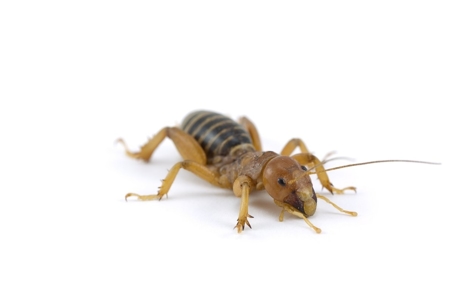
Can Jerusalem Crickets Bite?
Yes, Jerusalem crickets can bite people, and their bites can be quite painful. These large, flightless crickets have strong mandibles designed for chewing plant roots and decaying organic matter, but they’ll use them defensively if they feel threatened or handled roughly.
Do Jerusalem Crickets Bite?
Jerusalem crickets are generally shy and non-aggressive, so they only bite when they feel threatened or cornered. Bites typically occur in the following situations:
Handling or Picking Them Up – The most common cause of bites. When someone tries to pick up or trap a Jerusalem cricket with their hands, the insect may bite defensively to protect itself.
Disturbance of Their Hiding Spots – These crickets live in moist soil, under rocks, logs, or leaf litter. If a person or pet accidentally disturbs their shelter, they might react defensively.
Accidental Contact Indoors – Occasionally, Jerusalem crickets wander inside homes or garages. If someone unknowingly brushes against or steps on one, it may bite in self-defense.
Pet Curiosity – Dogs and cats sometimes sniff, paw at, or try to mouth Jerusalem crickets. The insect may respond with a defensive bite to the pet’s nose or mouth, which can be painful but not medically serious.
Improper Capture or Relocation Attempts – If someone tries to move one using bare hands or inadequate tools, the cricket may feel trapped and lash out.
Jerusalem crickets don’t seek to bite people or animals, but they will defend themselves if handled or threatened. Wearing gloves and using a container to relocate them safely helps prevent bites.
Jerusalem Cricket Bites
The risks associated with Jerusalem cricket bites are generally minor, but they can still be uncomfortable and occasionally lead to complications if not cared for properly. Here’s a detailed breakdown:
Pain and Localized Injury – Their powerful mandibles can break the skin, causing an immediate sharp pain similar to a pinch or bee sting. Small puncture wounds or abrasions may appear at the bite site.
Swelling and Redness – Mild inflammation around the bite area is common due to the body’s natural response to injury. This may last for several hours to a few days.
Risk of Infection – The greatest concern after a bite is infection, particularly if the wound isn’t cleaned properly. Jerusalem crickets live in soil and decaying organic matter, which can harbor bacteria that enter through broken skin. Signs of infection include redness spreading outward, warmth, tenderness, or pus.
Allergic Reactions (Rare) – Though uncommon, some individuals may experience mild allergic reactions such as itching, rash, or hives around the bite. Severe allergic responses are extremely rare.
Secondary Irritation – Scratching or failing to disinfect the area can worsen irritation and slow healing.
Jerusalem cricket bites are not venomous and do not transmit diseases, so with proper first aid—washing the wound, applying antiseptic, and keeping it clean—recovery is typically quick.
What Do Jerusalem Cricket Bites Look Like?
A Jerusalem cricket bite typically appears as a small but noticeable puncture mark or pair of punctures where the insect’s strong mandibles broke the skin. The appearance can vary depending on how deep the bite was and the person’s skin sensitivity, but here’s what you can generally expect:
Initial Appearance – The bite site usually shows one or two small red punctures, sometimes accompanied by mild bleeding or a pinpoint scab.
Redness and Swelling – Within minutes to hours, the area may become red, swollen, and tender, similar to a mild bee sting or spider bite.
Localized Inflammation – The bite may develop a raised bump with a firm or slightly warm texture. In sensitive individuals, the redness can spread outward a bit, creating a small circular area of irritation.
Itching or Burning Sensation – Some people report itching or a burning feeling around the bite site as it heals, typically lasting one to three days.
Healing Stage – As the wound heals, the puncture marks may scab over and fade within a few days to a week, depending on care and skin type.
Jerusalem cricket bites can look similar to minor ant or wasp stings but usually lack a central stinger mark. If redness, swelling, or pain worsens instead of improving, it may indicate infection and should be evaluated by a healthcare professional.
What To Do About Jerusalem Cricket Bites
If you’ve been bitten by a Jerusalem cricket, it’s important to treat the wound promptly to prevent infection and reduce discomfort. Here’s exactly what to do:
Clean the Bite Thoroughly – Immediately wash the area with warm water and mild soap. This removes dirt and bacteria the insect may have carried from the soil or decaying matter.
Disinfect the Wound – After washing, apply an antiseptic such as hydrogen peroxide, rubbing alcohol, or an over-the-counter antibiotic ointment (like Neosporin) to minimize infection risk.
Stop Bleeding (If Any) – If the bite punctured the skin and caused minor bleeding, press a clean gauze pad or cloth against it until it stops.
Apply a Cold Compress – To reduce swelling and pain, hold a cold pack or a clean cloth filled with ice against the bite for 10–15 minutes.
Reduce Pain and Itching – Use an over-the-counter pain reliever (acetaminophen or ibuprofen) if the bite is sore. A hydrocortisone cream or antihistamine lotion can help with itching or redness.
Keep It Clean and Covered – For the next couple of days, clean the bite once or twice daily and keep it loosely covered with a sterile bandage to protect it from dirt.
Monitor for Infection – Watch for signs of infection such as increasing redness, swelling, warmth, pus, or worsening pain. If any of these occur—or if you develop fever or chills—seek medical attention promptly.
Avoid Scratching – Scratching can reopen the wound, introduce bacteria, and prolong healing.
In most cases, a Jerusalem cricket bite heals within a few days to a week without complications. The main risks are localized pain and infection, so proper cleaning and monitoring are key.