
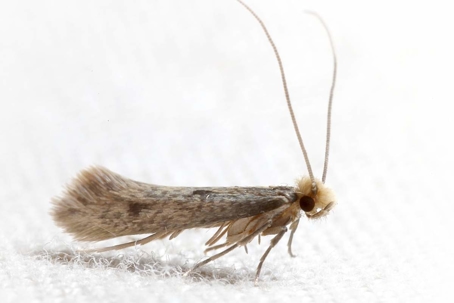
Can Clothes Moths Bite?
No, clothes moths (like the common webbing clothes moth Tineola bisselliella and case-bearing clothes moth Tinea pellionella) do not bite humans. The mouthparts of these moths are adapted for chewing natural fibers like wool, fur, feathers, and sometimes silk—not skin. Adults primarily focus on reproduction and do not feed at all, while larvae feed on keratin-rich materials but won’t attack people.
However, some people may notice skin irritation or rashes in areas where clothes moths are present, but this is usually caused by:
Allergic reactions to moth scales, fecal matter, or shed fibers from larvae
Irritation from handling infested clothing or fabrics
These reactions are sometimes mistaken for bites, but actual bites from clothes moths do not occur.
Do Clothes Moths Bite?
People are most likely to believe they’ve been “bitten” by clothes moths in situations where there’s direct contact with infested fabrics or woolen items, combined with skin reactions. Some common scenarios include:
Handling infested clothing, blankets, or upholstery: Larvae leave behind tiny hairs, frass (excrement), and shed casings. Contact with skin can cause mild irritation, redness, or itching that mimics a bite.
Wearing tight-fitting wool or feather items: Fibers or larval debris rubbing against sensitive areas (like arms, neck, or waistline) may produce raised bumps or itching, leading people to think they’ve been bitten.
Sleeping on infested bedding or pillows: If a mattress, pillow, or comforter contains larvae or their silk cases, irritation from the materials can resemble bites.
Storing items in dark, undisturbed areas: Clothes moth larvae prefer closets, attics, or storage boxes. People who retrieve items after long storage may notice itching or rashes from accumulated debris.
Preexisting skin sensitivity: Individuals with eczema, dermatitis, or allergies may react more strongly to the tiny fibers, droppings, or silk of larvae, misinterpreting it as an insect bite.
In reality, any “bite” sensation is a reaction to larval debris or fibers, not an actual bite from the moth. Proper identification of the culprit usually involves finding larvae, webbing, or damaged fibers, rather than observing any insect on the skin.
Clothes Moth Bites
Clothes moth “bites” are not true bites, so there’s no risk of disease transmission or venom injection. The “risks” are mostly related to skin irritation and allergic reactions caused by contact with larvae, shed hairs, frass (fecal pellets), or silk casings. Key risks include:
Skin irritation and itching: Tiny hairs and debris from larvae can rub against the skin, causing redness, itching, or raised bumps. These usually resolve on their own once contact stops.
Allergic reactions: Sensitive individuals may develop hives, rashes, or exacerbation of preexisting skin conditions such as eczema or dermatitis.
Secondary skin infections: Persistent scratching of irritated skin can break the skin barrier, potentially leading to minor bacterial infections.
Psychological discomfort: Anxiety or stress from thinking one is being bitten can lead to excessive scratching or sleep disruption.
Contamination of clothing and fabrics: The real risk from clothes moths is damage to natural fibers like wool, silk, and fur, not bites. Infested items may need cleaning, freezing, or disposal.
Proper management—thorough cleaning, vacuuming, and storing fabrics in airtight containers—eliminates the risk entirely.
What Do Clothes Moth Bites Look Like?
Since clothes moths don’t actually bite, what people sometimes interpret as “bites” are actually skin reactions to larval debris, shed hairs, or frass. The appearance can vary depending on a person’s skin sensitivity, but common signs include:
Small red bumps: Usually tiny, slightly raised, and scattered. Often appear on areas that contact infested fabrics, like arms, neck, or waistline.
Itchy, irritated patches: Skin may feel prickly or itchy, similar to a mild rash. Scratching can make the area redder or cause minor swelling.
Clustered irritation: Sometimes, the bumps appear in groups where fibers or larval droppings rubbed against the skin repeatedly.
No puncture marks: Unlike true insect bites, there are no central puncture points. The skin changes are purely a reaction to external irritants.
Temporary reaction: Symptoms usually subside within a few hours to a few days after the skin is no longer exposed to the irritant.
Clothes moth “bites” are reactive skin bumps or rashes, not actual bites, and they typically correspond to areas of contact with infested textiles rather than random exposed skin.
What To Do About Clothes Moth Bites
If you think you’ve been “bitten” by clothes moths, the first thing to understand is that actual bites do not occur. Any skin reaction is caused by contact with larvae, their hairs, frass, or silk. Here’s how to manage the situation:
Treat the skin
Clean the area: Wash the affected skin with mild soap and lukewarm water to remove any irritants.
Soothe irritation: Apply a gentle anti-itch lotion or cream, such as 1% hydrocortisone or calamine, to reduce redness and itching.
Avoid scratching: Scratching can break the skin and lead to secondary bacterial infections.
Identify and remove the source
Inspect fabrics: Check wool, fur, feathers, and other natural fiber items for holes, webbing, or larvae.
Clean infested items: Wash machine-safe items in hot water, dry-clean delicate fabrics, or freeze items for at least 72 hours to kill larvae.
Vacuum storage areas: Thoroughly vacuum closets, drawers, and corners where larvae or debris may accumulate.
Prevent further contact
Store fabrics properly: Use airtight containers or garment bags for woolens, silks, and furs.
Use deterrents: Cedar blocks, lavender sachets, or pheromone traps can help reduce moth activity.
Regular inspection: Periodically check stored items to catch infestations early.
Monitor for complications
Watch for signs of infection: Increased redness, swelling, pus, or spreading irritation may indicate a secondary bacterial infection—seek medical care if this occurs.
Allergic reactions: If itching or rash worsens or spreads, consult a healthcare professional for advice.
The key steps are treat skin irritation, eliminate contact with larvae, and prevent re-exposure. The risk to human health is minimal—most “bites” are purely irritating rather than dangerous.