
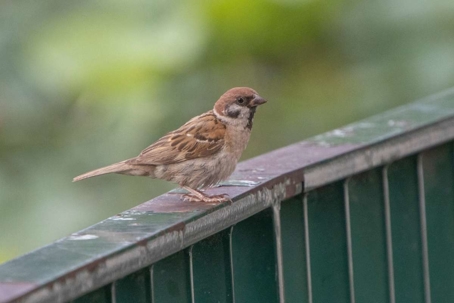
Do Birds Bite?
Birds generally don’t bite humans or pets aggressively unless they feel threatened, stressed, or are protecting something important. The likelihood of a bite varies by species, individual temperament, and context. Here are some of the situations where birds are most likely to bite:
Territorial or Protective Behavior
Nesting season: Birds are highly protective of their nests and young. Approaching a nest can trigger defensive biting or pecking.
Territory defense: Some species, especially parrots, crows, or certain waterfowl, can bite to defend a territory, such as a cage, perch, or feeding area.
Fear or Stress
Birds may bite when startled, handled roughly, or placed in unfamiliar environments.
Sudden movements or loud noises can provoke fear-based bites.
Wild birds, which aren’t accustomed to human interaction, are particularly prone to defensive biting.
Resource Guarding
Birds may bite to protect food, water, or favorite toys.
Parrots and other intelligent birds may become possessive, especially during feeding times.
Hormonal or Aggressive Phases
During mating season, hormonal changes can make birds more aggressive and prone to biting.
Some birds have naturally more aggressive personalities and may bite without clear provocation.
Poor Handling or Mishandling
Incorrect handling, forcing a bird into a cage, or restraining it can trigger defensive biting.
Birds with a history of negative human interaction are more likely to bite reflexively.
Playful or Exploratory Biting
Younger birds or certain intelligent species (like parrots or cockatiels) may bite lightly while exploring objects or testing boundaries.
These bites are usually not intended to harm but can still break skin.
Illness or Pain
Birds that are sick, injured, or in pain may bite when touched, especially around sensitive areas.
Bird Bites
Bird bites are often underestimated because most people think of birds as harmless. While many bites are minor, there are several risks—both immediate and longer-term—associated with being bitten by a bird:
Physical Injuries
Puncture wounds and scratches: Bird beaks, even from small species, can break the skin and cause bleeding. Larger birds (like parrots, crows, or hawks) can cause deep punctures.
Bruising or tissue damage: Strong-billed birds can damage soft tissue, especially on fingers or hands.
Scarring: Deep or infected bites may leave permanent marks.
Infection Risks
Birds carry bacteria in their beaks and saliva that can infect human wounds:
Pasteurella species: Can cause redness, swelling, pain, and pus formation.
Staphylococcus or Streptococcus bacteria: Can lead to cellulitis (skin infection) or abscesses.
Psittacosis (parrot fever): Caused by Chlamydia psittaci, mainly from parrots, parakeets, or cockatiels. Rare from bites, but a risk if contaminated droppings contact the wound.
Salmonella: Although more commonly associated with droppings, there is a small risk if saliva contaminates broken skin.
Allergic Reactions
Some individuals may develop mild to severe reactions to proteins in bird saliva or feathers.
Symptoms can range from localized swelling and itching to, rarely, systemic allergic responses.
Pain and Swelling
Even minor bird bites can cause immediate discomfort, tenderness, or redness.
Swelling may persist for a few days, especially if the bite is deep or in a sensitive area.
Secondary Complications
Delayed healing: Small puncture wounds can trap bacteria, leading to prolonged healing.
Joint infection (rare): If the bite penetrates near a joint, infection can reach deeper tissues.
Tetanus: Although rare, any puncture wound from a bird could theoretically introduce tetanus bacteria if you are not up to date on vaccinations.
Psychological Impact
Fear of birds or anxiety around certain species can develop after a biting incident, particularly in children.
What Do Bird Bites Look Like?
Bird bites can vary in appearance depending on the species, size of the bird, location of the bite, and how forcefully it bites:
Small Birds (e.g., finches, sparrows, budgies)
Appearance: Tiny puncture marks, usually in a straight line or cluster.
Bleeding: Minimal; sometimes just a pinprick of blood.
Redness/Swelling: Mild surrounding redness and slight swelling.
Pain: Usually minor and short-lived.
Medium Birds (e.g., cockatiels, pigeons, doves)
Appearance: Slightly larger punctures or scratches; sometimes a crescent-shaped mark if the beak pinches the skin.
Bleeding: Moderate, especially if on fingers or hands.
Redness/Swelling: More noticeable; the skin may be tender for a few days.
Bruising: Possible if the bird bites hard.
Large Birds (e.g., parrots, macaws, crows, hawks)
Appearance: Deep puncture wounds; sometimes multiple wounds from both upper and lower beaks.
Bleeding: Significant, can continue until pressure is applied.
Redness/Swelling: Pronounced and can spread beyond the bite site.
Bruising or tissue damage: Common; severe bites can damage tendons or muscles.
Secondary Signs
Scratches from claws: Some birds may scratch as they bite, leaving linear scratch marks.
White spots or pus: Early signs of infection can appear as white or yellowish spots at the bite site.
Tenderness: The area around the bite may remain sore for several days.
Patterns to Recognize
Single puncture: Often from a quick nip.
Paired punctures: Common in larger birds, caused by the upper and lower beak.
Clustered marks: May indicate repeated bites or defensive pecking.
Even minor-looking bites can become infected because birds carry bacteria in their beaks. Cleaning and monitoring all bird bites is important.
What To Do About Bird Bites
If you get bitten by a bird, prompt and proper care is important to reduce the risk of infection, minimize injury, and promote healing. Here’s what to do if a bird bites you:
Immediate First Aid
Stay calm and gently remove the bird if it’s still close.
Wash the wound thoroughly: Use warm water and mild soap to clean the bite for several minutes. Rinse thoroughly to remove dirt, saliva, or feather debris.
Stop bleeding: Apply gentle pressure with a clean cloth or sterile gauze. Elevate the area if possible to reduce blood flow.
Disinfect the Wound
Apply an antiseptic solution such as hydrogen peroxide, iodine, or alcohol-free antiseptic wipes.
This helps kill bacteria that birds may carry, including Pasteurella, Staphylococcus, or Chlamydia psittaci (in parrots and related species).
Protect the Wound
Cover the bite with a clean bandage or sterile dressing.
Keep it protected from dirt and further contact.
Change the dressing at least once a day or if it becomes wet or dirty.
Monitor for Infection
Watch for warning signs over the next few days:
Increasing redness, warmth, or swelling around the bite
Pus or unusual discharge
Pain that worsens instead of improves
Fever or chills
If any of these occur, seek medical attention promptly.
Seek Medical Care
Deep puncture wounds or bites from large birds should be evaluated by a healthcare professional.
Tetanus vaccination: Ensure your tetanus shot is current (within 10 years, or 5 years for high-risk wounds).
Prescription antibiotics may be necessary if the wound shows signs of infection.
Psittacosis testing: If bitten by a parrot, cockatiel, or similar bird, discuss the risk with your doctor.
Pain and Swelling Management
Over-the-counter pain relievers (acetaminophen or ibuprofen) can help with discomfort.
Cold compresses can reduce swelling in the first 24 hours.
Preventive Measures for the Future
Avoid handling unfamiliar wild birds.
Wear gloves when working with larger or aggressive birds.
Learn bird body language: warning signs include fluffed feathers, lunging, hissing, or wing spreading.