
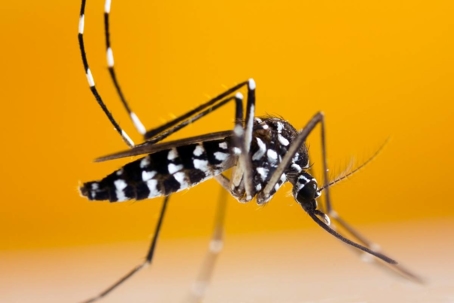
Asian Tiger Mosquitoes Bite
Asian tiger mosquitoes (Aedes albopictus) are aggressive daytime biters with peak activity in the early morning and late afternoon, though these mosquitoes can bite at any time in shaded areas. Their biting behavior is influenced by environmental conditions, host availability, and human activity. Key situations where they are most likely to bite people or pets include:
Outdoor activity during peak hours: Morning and late afternoon outdoor activities—gardening, walking, playing, or exercising—expose humans and pets to these mosquitoes.
Near standing water: Asian tiger mosquitoes breed in small containers of stagnant water—flower pots, buckets, bird baths, clogged gutters, tarps, tires. Being near these breeding sites increases the likelihood of bites.
Shaded areas and vegetation: They prefer shaded, humid environments, such as under trees, bushes, or tall grass. Pets resting in these areas are more vulnerable.
Urban and suburban areas: Unlike some mosquito species, they thrive close to human habitats, often entering homes or yards in search of blood meals.
Warm and humid conditions: Higher temperatures and humidity increase mosquito activity. Sudden rain or irrigation can also trigger a spike in biting behavior.
Wearing exposed clothing: Short sleeves, shorts, or thin clothing make humans and pets more accessible to biting.
Asian tiger mosquitoes are persistent and can bite multiple times in a single feeding session, so even brief exposure can result in several bites.
Asian Tiger Mosquito Bites
Asian tiger mosquito (Aedes albopictus) bites carry both immediate skin reactions and potential disease risks, although the severity can vary depending on the individual and the region. The most common risks include:
Local Skin Reactions
Red, itchy bumps: Bites often appear as small, raised, reddish spots that are intensely itchy.
Swelling and irritation: Some people may develop mild swelling or a burning sensation.
Multiple bites: Because these mosquitoes can bite several times, repeated exposure can exacerbate itching and discomfort.
Allergic Reactions
Mild allergic reactions: Itching, redness, and hives are common.
Rare severe reactions: In individuals with heightened sensitivity, bites can cause more widespread swelling or, very rarely, systemic allergic reactions.
Disease Transmission
Asian tiger mosquitoes are capable of spreading several viral diseases, particularly in regions where these viruses are present:
Dengue fever – can cause high fever, severe headache, joint and muscle pain, and rash.
Chikungunya – characterized by fever and debilitating joint pain.
Zika virus – associated with fever, rash, joint pain, and potential birth defects if contracted during pregnancy.
Yellow fever – less common in most areas but still a potential risk in endemic regions.
The actual risk of disease transmission depends heavily on local outbreaks and whether the mosquito population carries the virus. In many areas, bites are primarily an irritation rather than a disease threat.
Secondary Infection
Scratching bites: Persistent scratching can break the skin, allowing bacteria to enter and cause infections such as cellulitis.
Pet Health Risks
Pets may experience itchy skin, swelling, or mild irritation from bites. While disease transmission to pets is less common, heavy infestations can stress animals and lead to secondary skin infections from scratching.
Preventive measures—like removing standing water, using insect repellents approved for humans and pets, wearing protective clothing, and keeping pets indoors during peak biting times—significantly reduce these risks.
What Do Asian Tiger Mosquito Bites Look Like?
Asian tiger mosquito (Aedes albopictus) bites have a distinctive appearance and behavior compared to some other mosquito species:
Typical Appearance
Small, raised, red bumps – usually 2–5 mm in diameter.
Pale center with red halo – sometimes the bite has a tiny lighter area in the middle surrounded by a red ring.
Multiple bites close together – because Asian tiger mosquitoes often feed repeatedly in one session, you may notice clusters of bumps rather than isolated ones.
Rapid swelling – the area around the bite can swell within minutes to an hour.
Additional Features
Intense itching – the bites tend to itch more than some other mosquito species.
Short-lived bruising or welts – in sensitive individuals, bumps may develop into small welts that persist a few days.
Scratching marks – due to persistent itching, bites may show linear scratch marks or small scabs.
Differentiation from Other Mosquito Bites
Often smaller and more defined than bites from larger species like Culex or Anopheles.
More likely to appear in groups rather than a single, isolated bump.
May be more noticeable on arms, legs, ankles, and feet, as these mosquitoes are daytime feeders targeting exposed skin.
What To Do About Asian Tiger Mosquito Bites
If you get bitten by Asian tiger mosquitoes (Aedes albopictus), the goal is to relieve itching, reduce swelling, and prevent infection. Here’s what to do:
Immediate Care
Clean the area: Wash the bite gently with soap and water to remove saliva and reduce the risk of infection.
Reduce swelling and itching: Apply a cold compress or ice wrapped in a cloth for 5–10 minutes. Over-the-counter anti-itch creams (e.g., hydrocortisone 1%) or calamine lotion can calm irritation. Oral antihistamines (like cetirizine or diphenhydramine) may help if multiple bites are itchy.
Avoid scratching: Scratching increases the risk of secondary bacterial infections and can prolong healing. Keep fingernails short and consider covering bites lightly if itching is severe.
Monitor for Complications
Signs of infection: redness spreading beyond the bite, pus, warmth, or increased pain.
Allergic reactions: rare, but watch for swelling beyond the immediate area, hives, or difficulty breathing. Seek medical attention immediately if these occur.
Prevent Further Bites
Use repellents: DEET, picaridin, IR3535, or oil of lemon eucalyptus on exposed skin.
Wear protective clothing: long sleeves, pants, and light-colored fabrics reduce attraction.
Control mosquito habitats: eliminate standing water in containers, gutters, birdbaths, and plant saucers.
Timing and environment: stay indoors during peak biting times (early morning and late afternoon) and use screens or netting where possible.
When to Seek Medical Attention
Fever, rash, joint pain, or flu-like symptoms within 2 weeks of being bitten (possible sign of dengue, chikungunya, or Zika virus in areas where these are present).
Bite becomes infected or extremely painful.
Severe allergic reaction (difficulty breathing, facial swelling, hives spreading rapidly).
For pets, the same principles apply: clean bites, monitor for itching or swelling, prevent scratching, and reduce exposure using pet-safe repellents and limiting outdoor activity during peak mosquito hours.