
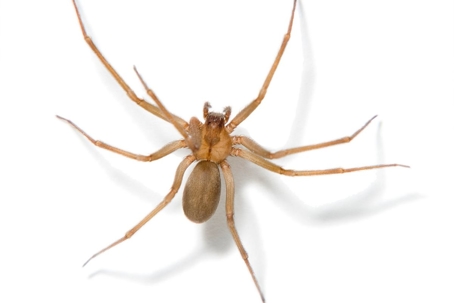
Natural Spider Repellents
Many conventional spider control products contain strong chemicals that can be harmful if inhaled, ingested, or absorbed through the skin. Natural repellents are generally safer for households with children and pets, reducing the risk of accidental poisoning or irritation while simultaneously getting rid of spiders:
Non-Lethal Deterrence: Some people prefer not to kill spiders but rather discourage them from entering living spaces. Natural repellents can drive spiders away without harming them, supporting humane pest management practices.
Allergy and Sensitivity Management: Many individuals are sensitive to chemical sprays, which can cause respiratory issues, skin irritation, or allergic reactions. Natural alternatives are less likely to provoke these reactions while still providing spider deterrence.
Cost-Effectiveness and Accessibility: Ingredients for natural repellents—like vinegar, essential oils, or citrus peels—are often inexpensive and readily available, making it a practical solution for everyday use compared to specialized chemical products.
Environmental Considerations: Improper use of chemical pesticides can contaminate water sources, soil, and non-target wildlife. Using natural spider repellents minimizes ecological impact, helping preserve beneficial insects and reducing chemical runoff into the environment.
Preventing Residue Buildup: Chemical sprays can leave stains or odors on surfaces, fabrics, or furniture. Natural repellents typically leave minimal residue, preserving household aesthetics while keeping spiders at bay.
Integrated Pest Management Compatibility: Natural repellents fit well into integrated pest management (IPM) strategies, which focus on prevention, habitat modification, and minimal chemical use. This holistic approach addresses spider issues sustainably over the long term.
Using natural repellents selectively may allow beneficial spiders to remain in low-risk areas where they can naturally control other pests, rather than eliminating them entirely, which can sometimes create an imbalance in the household ecosystem.
Do Essential Oils Repel Spiders?
Yes, some essential oils are effective at repelling spiders. These oils contain strong scents that spiders find unpleasant, interfering with their ability to navigate and locate prey. Typically, these oils are diluted with water and sprayed around entry points, corners, and baseboards to create a natural barrier. While essential oils may not kill spiders, they can significantly reduce their presence indoors when applied consistently.
Does Cedar Oil Repel Spiders?
Yes, cedar oil can repel spiders. Its strong, aromatic scent is unpleasant to them, discouraging spiders from entering or staying in treated areas. When applied to corners, baseboards, windowsills, and other potential entry points—either by spraying a diluted solution or using cedar-infused products—cedar oil acts as a natural, non-toxic deterrent that helps reduce spider activity indoors.
Does Cinnamon Oil Repel Spiders?
Yes, cinnamon oil can repel spiders. Its strong, pungent aroma interferes with a spider’s sensory perception, making areas treated with cinnamon oil less attractive for nesting or hunting. Typically, it is diluted with water and sprayed around entry points, corners, and baseboards. While it does not kill spiders, regular application can help keep them away from indoor spaces.
Does Clove Oil Repel Spiders?
Yes, clove oil can repel spiders. It contains eugenol, a compound with a strong scent that spiders find irritating, discouraging them from entering treated areas. When diluted with water and sprayed around windows, doors, baseboards, and corners, clove oil acts as a natural deterrent, helping to reduce spider activity without harming them.
Does Eucalyptus Oil Repel Spiders?
Yes, eucalyptus oil can repel spiders. Its strong, sharp scent disrupts spiders’ sensory perception, making treated areas less appealing for them to inhabit. When diluted with water and applied to corners, windowsills, doorways, and other entry points, eucalyptus oil serves as a natural, non-toxic deterrent that can help keep spiders away from indoor spaces.
Does Grapefruit Oil Repel Spiders?
Yes, grapefruit oil can repel spiders. Its strong citrus scent is unpleasant to them and can interfere with their ability to navigate and establish webs. When diluted with water and sprayed around entry points, corners, and baseboards, grapefruit oil acts as a natural deterrent, helping to reduce spider activity indoors without causing harm.
Does Lavender Oil Repel Spiders?
Yes, lavender oil can repel spiders. Its strong fragrance is unpleasant to them, making treated areas less attractive for nesting or hunting. When diluted with water and sprayed around corners, windowsills, doorways, and other entry points, lavender oil acts as a natural, non-toxic deterrent that can help keep spiders away from indoor spaces.
Does Lemon Oil Repel Spiders?
Yes, lemon oil can repel spiders. Its strong citrus scent is irritating to spiders, discouraging them from entering or lingering in treated areas. When diluted with water and applied to corners, windowsills, doorways, and other potential entry points, lemon oil serves as a natural, non-toxic deterrent that helps reduce spider activity indoors.
Does Orange Oil Repel Spiders?
Yes, orange oil can repel spiders. Its strong citrus aroma is unpleasant to them, making areas treated with the oil less inviting for nesting or hunting. When diluted with water and sprayed around windowsills, doorways, baseboards, and other entry points, orange oil acts as a natural, non-toxic deterrent that helps keep spiders away from indoor spaces.
Does Peppermint Oil Repel Spiders?
Yes, peppermint oil is one of the most effective natural spider repellents. Its strong, sharp scent overwhelms a spider’s sensory system, making treated areas uncomfortable and discouraging them from entering or building webs. Typically, it is diluted with water and sprayed around corners, windowsills, doorways, and baseboards, providing a non-toxic, natural method to reduce spider activity indoors.
Does Rosemary Oil Repel Spiders?
Yes, rosemary oil can repel spiders. Its strong, pungent aroma is unpleasant to them, discouraging them from entering or settling in treated areas. When diluted with water and applied to corners, windowsills, doorways, and other potential entry points, rosemary oil acts as a natural, non-toxic deterrent that helps reduce spider activity indoors.
Does Tea Tree Oil Repel Spiders?
Yes, tea tree oil can repel spiders. Its strong, medicinal scent is irritating to spiders, making treated areas unattractive for web-building or hunting. When diluted with water and sprayed around corners, windowsills, doorways, and other entry points, tea tree oil serves as a natural, non-toxic deterrent that helps keep spiders away from indoor spaces.
What Plants Repel Spiders?
Certain plants can repel spiders. These plants produce strong scents that spiders find unpleasant, discouraging them from entering or staying in nearby areas. While they may not eliminate spiders completely, strategically placing these plants around windows, doors, and corners can reduce spider activity indoors and serve as a natural, non-toxic deterrent:
Does Chive Repel Spiders?
Yes, chives can help repel spiders. Their strong, onion-like scent is unpleasant to spiders and can discourage them from entering or lingering in treated areas. Planting chives near windows, doors, or other entry points—or placing cut chives in indoor spaces—can act as a natural, non-toxic deterrent.
Does Chrysanthemum Repel Spiders?
Yes, chrysanthemums can repel spiders. They contain pyrethrins, natural compounds that are toxic or irritating to many insects and spiders. Planting chrysanthemums around entry points or placing potted plants indoors can help deter spiders, serving as a natural, non-toxic method of reducing their presence.
Does Citronella Repel Spiders?
Yes, citronella can repel spiders. Its strong, lemony scent is unpleasant to them and can discourage spiders from entering or staying in treated areas. Using citronella plants, oils, or infused sprays around windows, doors, and corners creates a natural barrier that helps reduce spider activity indoors.
Does Eucalyptus Repel Spiders?
Yes, eucalyptus can repel spiders. The strong, sharp scent of eucalyptus leaves or oil is unpleasant to spiders, making treated areas less attractive for nesting or web-building. Placing eucalyptus plants indoors or using eucalyptus-based sprays around windows, doors, and corners can act as a natural, non-toxic deterrent against spiders.
Does Garlic Repel Spiders?
Yes, garlic can repel spiders. Its strong, pungent odor is unpleasant to them, discouraging spiders from entering or remaining in treated areas. Placing crushed garlic cloves, garlic-infused water, or garlic plants near windows, doors, and corners can serve as a natural, non-toxic method to reduce spider activity indoors.
Does Lavender Repel Spiders?
Yes, lavender can repel spiders. Its strong, fragrant scent is unpleasant to them, making areas treated with lavender less attractive for web-building or hunting. Using lavender plants, dried lavender, or lavender essential oil around windows, doors, corners, and other entry points provides a natural, non-toxic deterrent that helps reduce spider activity indoors.
Does Lemongrass Repel Spiders?
Yes, lemongrass can repel spiders. Its strong, citrus-like scent is unpleasant to them, discouraging spiders from entering or staying in treated areas. Using lemongrass plants indoors or applying lemongrass-infused sprays around windows, doors, corners, and other entry points can act as a natural, non-toxic deterrent against spider activity.
Does Marigold Repel Spiders?
Yes, marigolds can repel spiders. They emit a strong scent that spiders and other pests find unpleasant, discouraging them from entering nearby areas. Planting marigolds around windows, doors, and garden borders—or placing potted marigolds indoors—can serve as a natural, non-toxic deterrent to reduce spider activity.
Does Mint Repel Spiders?
Yes, mint plants can repel spiders. The strong aroma of mint—such as peppermint or spearmint—is unpleasant to spiders, discouraging them from entering or lingering in nearby areas. Placing mint plants near windows, doors, corners, or other entry points can act as a natural, non-toxic deterrent to help reduce spider activity indoors.
Does Onion Repel Spiders?
Yes, onions can repel spiders. Their strong, pungent odor is unpleasant to spiders, which can discourage them from entering or staying in treated areas. Planting onions around entry points or placing cut onions indoors can serve as a natural, non-toxic method to help reduce spider activity.
Does Rosemary Repel Spiders?
Yes, rosemary plants can repel spiders. The plant’s strong, aromatic scent is unpleasant to them, discouraging spiders from entering or settling in nearby areas. Placing rosemary plants indoors or around windows, doors, and corners can act as a natural, non-toxic deterrent to help reduce spider activity.
Does Baking Soda Repel Spiders?
Baking soda is not considered an effective spider repellent. Unlike some essential oils, plants, or substances like diatomaceous earth, baking soda does not produce a scent or physical effect that deters spiders. While it is safe to use around the home, it won’t meaningfully reduce spider activity or prevent them from entering spaces.
Does Boric Acid Repel Spiders?
Boric acid does not act as a true spider repellent. Instead, it functions as a toxic agent that can kill spiders and other insects if they come into direct contact with it or ingest it. It is most effective when applied in cracks, crevices, or along baseboards where spiders might crawl. While it can reduce spider populations over time, it does not prevent spiders from entering an area like a natural repellent would.
Does Diatomaceous Earth Repel Spiders?
Diatomaceous earth does not technically repel spiders, but it discourages them from crossing treated areas. The fine, abrasive particles damage a spider’s exoskeleton, causing dehydration and making surfaces uncomfortable or unsafe to traverse. When sprinkled along baseboards, corners, and entry points, it acts as a physical barrier that can reduce spider movement indoors without using toxic chemicals.
Does Vinegar Repel Spiders?
Yes, vinegar can repel spiders. Its strong, acidic smell is unpleasant to them and can interfere with their ability to detect prey or navigate. Spraying a mixture of white vinegar and water around windows, doors, baseboards, and corners creates a natural, non-toxic deterrent that helps keep spiders away from indoor spaces.
What To Do When Natural Spider Repellents Aren't Enough
When natural spider repellents are insufficient to control a spider problem, contacting our team of local spider exterminators is a practical next step. Our professional exterminators conduct a thorough inspection of your home or property to identify entry points, nesting areas, and the specific species involved, which is crucial for effective treatment. We then apply targeted treatments using professional-grade products and techniques that are more effective than over-the-counter or natural remedies, ensuring a significant reduction in spider populations. Additionally, our exterminators provide advice on long-term prevention strategies, including sealing gaps, reducing clutter, and modifying habitats, which helps minimize the likelihood of future infestations. This approach is especially important for homes experiencing heavy infestations or when dealing with potentially dangerous spider species.