
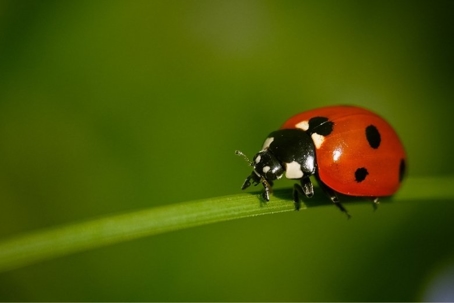
Ladybug Damage
While ladybugs (also called ladybird beetles) are widely considered beneficial insects because they feed on aphids and other plant pests, they can become a nuisance and, in some cases, cause minor damage depending on the species and situation. Here’s a detailed look at the types of problems ladybugs—particularly the invasive Asian lady beetle (Harmonia axyridis)—can cause:
Indoor Infestations and Nuisance Problems
Ladybugs typically move indoors during the fall in search of a warm place to overwinter. Once inside:
Large infestations can occur in attics, walls, window frames, and light fixtures.
They can stain walls, fabrics, and surfaces with a yellowish, foul-smelling defensive fluid (called reflex bleeding).
Their odor can be unpleasant and difficult to remove.
Dead beetles can accumulate and attract other pests, such as carpet beetles or dermestid beetles, that feed on dead insects.
Allergic Reactions
Some people experience allergic reactions or respiratory irritation from ladybugs, especially Asian lady beetles.
Symptoms may include eye irritation, asthma flare-ups, or skin rashes.
The defensive chemicals they secrete can cause mild skin burns or welts on sensitive individuals.
Agricultural and Garden Damage
While native ladybugs are helpful predators, the Asian lady beetle can cause:
Crop damage, especially to soft-skinned fruits such as grapes, apples, and peaches. When crushed during harvesting (especially in vineyards), they can release foul-tasting compounds that taint wine or juice.
Competition with native species — they outcompete and sometimes prey on native ladybugs, disrupting local ecosystems.
In greenhouses or gardens, very large populations may feed on fruit juices once aphid populations decline.
Structural Concerns
Ladybugs don’t eat wood or fabric, but they can:
Enter through small gaps and cracks, worsening existing sealing issues.
Build up in wall voids and insulation, creating a mess or odor problem over time.
What Does Ladybug Damage Look Like?
Ladybug staining—especially from Asian lady beetles—is caused by a yellowish, foul-smelling fluid they release when threatened or crushed. This secretion, known as reflex blood, is actually a defensive chemical that deters predators but can cause noticeable discoloration and odor problems in homes and businesses:
Appearance of Ladybug Stains
Color: The stains are typically yellow to orange-brown, sometimes with a slightly oily or translucent look.
Texture: The fluid is slightly sticky or greasy when fresh, then dries to a faint but persistent discoloration.
How It Happens
When disturbed, squashed, or even handled, ladybugs secrete this yellowish fluid from their leg joints. It can seep into porous materials like paint, drywall, or fabric fibers, leaving a permanent mark if not cleaned promptly. In large infestations, these stains can appear as clusters or trails where beetles have gathered or crawled along surfaces.
Odor
The fluid emits a distinct, pungent smell — often described as musty, acrid, or similar to rotting leaves or old hay. Even after the visible stain fades, the odor can linger, especially on fabrics or in enclosed areas like window frames or attics.
Difficulty of Removal
On painted walls, stains can sometimes be wiped off with mild soap and water, but repeated rubbing may remove paint.
On fabrics or wallpaper, the yellow pigment may be permanent.
On hard surfaces (like windowsills or tile), a mild cleaner or vinegar solution can remove the residue effectively.
Identifying a Ladybug Stain vs. Other Insect Stains
Ladybug stains are yellow-orange and oily, often accompanied by a smell.
Fly or roach droppings, by contrast, are dark brown or black and dry.
Where Is Ladybug Damage Found?
Ladybug stains are most likely to appear in areas where the insects congregate, crawl, or attempt to overwinter indoors—especially during the fall and winter months. Because ladybugs (particularly Asian lady beetles) are drawn to warmth and light, their stains tend to show up in specific high-traffic or sun-exposed areas of homes and businesses. Here are the most common places you’ll find them:
Around Windows and Doors
Windowsills, frames, and trim are prime locations since ladybugs gather around light and warmth.
You’ll often notice yellowish streaks or spots along window ledges, especially where they’ve been trapped or crushed.
Door frames, particularly those with sunlight exposure, can also show staining.
Ceilings and Upper Walls
Ladybugs are attracted to heat that rises inside buildings, so they often collect along upper walls, ceilings, and crown molding.
Stains here may look like small yellow drips or clusters where groups of beetles have released their defensive fluid.
Light-Colored Surfaces
Staining is most noticeable on white or pale paint, curtains, blinds, or wallpaper, since the yellow-orange fluid contrasts sharply.
Fabric drapes and window treatments near sunny windows are especially vulnerable.
Attics, Rafters, and Eaves
These warm, dry, and undisturbed spaces are common overwintering sites.
You may find staining on wood beams, insulation, or stored items where ladybugs have congregated in large numbers.
Wall Voids and Vent Areas
Ladybugs often enter through cracks, vents, or gaps around siding and settle inside wall voids or around attic vents.
Over time, the secretion can seep through drywall or appear around vent openings, causing subtle yellow discoloration.
Near Light Fixtures or Windowsills
Because ladybugs are drawn to light, they often cluster around lamps, ceiling fixtures, and recessed lighting.
Stains here tend to be small but numerous, forming a faint ring or cluster near the light source.
Storage Areas and Fabrics
If ladybugs get trapped in storage boxes, curtains, or folded fabrics, they can leave yellow stains and odors on textiles or cardboard.
Ladybug stains are most likely to appear on windowsills, door frames, ceilings, and upper walls, light-colored paint, curtains, or wallpaper, and attics, vents, or storage areas where these beetles hide during winter. They’re usually concentrated in warm, sunny areas of a building—especially on the south- and west-facing sides, where ladybugs first gather to bask in sunlight before moving indoors.