
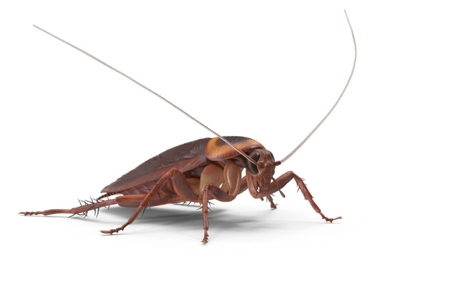
Can American Cockroaches Bite?
Yes, American cockroaches can bite humans, but it is extremely rare. These cockroaches are generally scavengers and prefer to feed on decaying organic matter, food scraps, and other insects rather than humans.
Do American Cockroaches Bite?
American cockroaches are rarely aggressive toward humans, but certain situations can increase the likelihood of a bite:
Extreme infestations – When large numbers of cockroaches are present in a home or business, competition for food and space may drive them into contact with humans more often.
Lack of available food – If their usual food sources (garbage, decaying matter, or crumbs) are scarce, they might nibble on human skin, especially around the fingers or hands if food residues are present.
While sleeping – Cockroaches are nocturnal. If a person is sleeping, especially in unsanitary conditions or near food, a cockroach could crawl on exposed skin and bite accidentally.
Trapped against the skin – Sometimes a cockroach may bite defensively if it is pressed against the skin, such as when a person puts on clothing or lies down where cockroaches are hiding.
Poor sanitation or cluttered environments – Kitchens, basements, or storage areas with leftover food, moisture, and clutter attract cockroaches and increase the odds of human contact, indirectly raising the rare chance of a bite.
Even in these situations, bites are very uncommon. American cockroaches are primarily a nuisance and health risk due to allergens and bacteria, not due to biting.
American Cockroach Bites
American cockroach bites are uncommon, but they can occur under certain circumstances. Here are the risks associated with them:
Local Skin Reactions
Redness and Swelling: The bite area may become red and slightly swollen.
Itching or Irritation: Mild discomfort, itching, or a burning sensation can occur.
Minor Pain: Cockroach bites are usually not very painful, but some individuals may experience mild soreness.
Infections
Secondary Bacterial Infection: Scratching a bite can break the skin, allowing bacteria to enter and cause infection.
Contaminated Bite Risk: American cockroaches carry bacteria and pathogens on their bodies. If the bite breaks the skin, there’s a small risk of bacteria transferring to the wound.
Allergic Reactions
Some people are allergic to cockroach saliva or secretions. Symptoms may include hives or rash around the bite area, swelling beyond the bite site, and in rare cases, systemic reactions (though extremely uncommon from a single bite).
Pathogen Transmission
Cockroaches are known carriers of bacteria, fungi, and viruses, including Salmonella, E. coli, and Staphylococcus. While bites themselves rarely transmit these diseases directly, there’s a theoretical risk if the cockroach’s mouthparts are contaminated and break the skin.
Psychological Impact
The sight or experience of a cockroach bite can cause stress or anxiety, particularly in sensitive individuals.
American cockroach bites are generally mild, but the main risks come from skin irritation, potential infection, and allergic reactions. They are rarely medically serious, but they indicate the presence of a significant cockroach infestation, which carries broader health concerns due to allergens and pathogen exposure.
What Do American Cockroach Bites Look Like?
American cockroach bites are rare and generally mild, but they can be identified by a few characteristic features:
Appearance: Small, red or pinkish bumps on the skin.
Shape: Often slightly raised and round, sometimes with a tiny puncture mark at the center.
Size: Typically small, less than a quarter-inch in diameter.
Reaction: May cause minor itching, irritation, or slight swelling.
Secondary effects: Scratching can lead to redness, irritation, or, in rare cases, infection.
Because American cockroach bites are so uncommon, they are often mistaken for other insect bites, such as mosquito bites, flea bites, or bed bug bites. One clue is the timing and location—bites are more likely to occur at night on exposed skin, particularly fingers, hands, arms, or legs, and usually in areas with poor sanitation or high cockroach activity.
What To Do About American Cockroach Bites
If you get bitten by an American cockroach, the bite itself is usually mild, but proper care is important to prevent infection or allergic reactions. Here’s a step-by-step guide:
Clean the Bite Immediately
Wash the area thoroughly with soap and warm water.
This helps remove any bacteria or debris that the cockroach may have left on your skin.
Apply an Antiseptic
Use an antiseptic solution or ointment (like iodine, hydrogen peroxide, or an antibiotic cream) on the bite.
This reduces the risk of secondary infection.
Reduce Swelling and Itching
Apply a cold compress or ice wrapped in a cloth for 10–15 minutes.
Over-the-counter anti-itch creams (like hydrocortisone) or antihistamines can help if itching or redness develops.
Avoid Scratching
Scratching can break the skin, increasing the risk of infection.
Monitor for Signs of Infection or Allergic Reaction
Watch for:
Increasing redness, swelling, warmth, or pus
Severe pain or spreading rash
Fever or flu-like symptoms
Signs of an allergic reaction (hives, difficulty breathing, swelling of lips or face)
If any of these occur, seek medical attention immediately.
Address the Source
A cockroach bite indicates a possible infestation.
Consider contacting our professional pest control team to eliminate the infestation and prevent future bites.
In most cases, bites heal within a few days with proper care, but keeping the area clean and watching for infection is essential.