
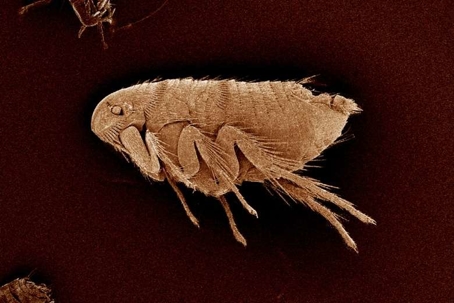
What Kills Fleas Instantly?
Fleas bite humans and pets, causing itching, redness, and discomfort. For someone experiencing a sudden infestation or being bitten repeatedly, immediate extermination is often necessary to stop the irritation and prevent secondary infections from scratching.
Prevention of Disease Transmission: Fleas can transmit diseases such as plague, typhus, and cat scratch disease, and they can carry tapeworms in pets. Killing fleas instantly reduces the risk of disease spreading to humans or animals, which is particularly important in households with vulnerable individuals like children, elderly people, or immunocompromised pets.
Rapid Containment of an Infestation: Fleas reproduce quickly—females can lay hundreds of eggs per day. Immediate killing of adult fleas can help prevent a full-blown infestation and reduce the likelihood that eggs will hatch and restart the cycle.
Protection of Pets: Fleas cause intense discomfort in pets, including allergic reactions, anemia in severe infestations, and the transmission of parasites like tapeworms. Pet owners often want instant flea elimination to protect their animals’ health and comfort.
Psychological Relief: Flea infestations can cause significant stress and anxiety. Seeing fleas or feeling bites can create panic, leading people to seek immediate extermination as a way to regain control over their home environment.
Fleas can infest bedding, carpets, and furniture, making cleaning and eradication more difficult over time. Killing fleas instantly reduces the risk of widespread contamination of a home, saving time and money in the long run.
Does Steam Kill Fleas Instantly?
Steam is a highly effective method for killing fleas because it uses high heat to destroy all life stages on contact. When applied at temperatures above 120°F (49°C), steam can kill adult fleas, larvae, and eggs almost instantly, usually within seconds to minutes. The key to effectiveness is direct contact: steam must penetrate carpet fibers, upholstery, and cracks where fleas hide. Steam cleaning also works as a preventive measure by disrupting flea habitats, making it difficult for flea eggs and larvae to survive. Unlike chemical treatments, steam leaves no toxic residue, making it safe for pets and humans, though care must be taken to avoid burns or moisture damage to surfaces. For heavy infestations, repeated steaming combined with vacuuming ensures that any hidden fleas or newly hatched larvae are eradicated.
Do Flea Combs Kill Fleas Instantly?
Flea combs do not kill fleas chemically but instead physically remove them from the pet’s fur, making them an immediate method of control. Adult fleas caught in the comb typically die quickly if trapped and disposed of in soapy water, often within minutes to a few hours due to drowning or dehydration. Flea combing is most effective when done daily or every other day, as it removes live fleas before they can lay eggs, gradually reducing the infestation over time. While combing provides instant removal of individual fleas, it does not affect eggs or larvae already in the environment, so it is most effective when combined with topical treatments, environmental cleaning, or insecticides to achieve complete flea eradication. Proper technique—combing along the pet’s entire body, particularly around the neck, tail, and belly—is crucial to maximize effectiveness.
Does Vacuuming Them Up Kill Fleas Instantly?
Vacuuming does not directly kill fleas in most cases, but it is highly effective at physically removing adult fleas, eggs, and larvae from carpets, furniture, and other surfaces. Fleas that are vacuumed up may die over time if trapped inside the vacuum bag or canister due to dehydration or inability to escape, typically within 24 to 48 hours, though this varies depending on the vacuum’s design and whether the bag or canister is emptied promptly. Vacuuming works best as part of a comprehensive flea control strategy, as it removes a significant portion of the population, reduces egg-laying, and exposes hidden fleas to subsequent treatments such as insecticides or diatomaceous earth. Frequent vacuuming—ideally daily during an active infestation—significantly speeds up population reduction and prevents new generations from establishing, making it one of the most practical and immediate ways to reduce flea numbers in the home.
Does Dish Soap Kill Fleas Instantly?
Dish soap kills fleas primarily by breaking down the protective waxy coating of their exoskeleton, causing them to dehydrate and drown. When fleas are submerged in soapy water, they typically die within minutes, making dish soap one of the fastest-acting household remedies for direct flea removal from pets or surfaces. However, dish soap does not prevent eggs from hatching or larvae from developing, and it provides no residual protection, so it is not effective as a standalone treatment for an infestation. For best results, it should be used in combination with flea combing, topical or oral insecticides, environmental cleaning, and insect growth regulators. Repeated baths or soapy rinses can reduce adult flea numbers quickly, but comprehensive control requires addressing both the pet and the surrounding environment.
Does Bleach Kill Fleas Instantly?
Bleach can kill fleas on contact because it is a strong chemical capable of destroying their exoskeleton, but its effectiveness is highly situational and limited to surface applications. When applied directly to hard, non-porous surfaces, fleas may die within minutes, but bleach is not safe for use on pets, fabrics, carpets, or delicate surfaces, and it does not penetrate hidden areas where eggs and larvae reside. For a home infestation, bleach can help sanitize floors, tubs, or laundry, but it is ineffective as a standalone treatment for eradicating an entire flea population. Flea eggs and larvae are particularly resilient and often survive in carpets, bedding, and cracks, meaning multiple control measures—vacuuming, insecticides, and IGRs—are still required. Improper use of bleach can also create toxic fumes and damage surfaces, so it should be used with caution and as a supplementary cleaning measure rather than a primary flea killer.
Do Pyrethroids Kill Fleas Instantly?
Pyrethroids, such as permethrin, deltamethrin, and cypermethrin, are synthetic insecticides designed to kill adult fleas on contact by disrupting their nervous system. When properly applied, fleas usually begin dying within minutes to a few hours, making pyrethroids among the fastest-acting chemical treatments. Their residual activity can continue to affect fleas for several days to a few weeks, depending on the formulation and surface type, helping to control newly hatched adults. However, pyrethroids are generally less effective against eggs and larvae, which may survive until they develop into adults, so combining pyrethroids with insect growth regulators (IGRs) or mechanical removal methods is recommended for complete flea eradication. Care must also be taken with pets, as some pyrethroids can be toxic, particularly to cats, and proper dosing or professional application is important to ensure safety.
Do Foggers Kill Fleas Instantly?
Flea foggers, also known as flea bombs, release insecticides into the air that settle on surfaces, targeting adult fleas and sometimes immature stages. The speed at which they kill fleas depends on the product formulation and the size of the infestation, but generally, adult fleas begin dying within a few hours of activation, often noticeable within 2–4 hours. However, foggers are less effective against eggs and larvae, which may remain hidden in carpets, furniture, or cracks; these stages typically require several days to be affected as they hatch and come into contact with residual insecticide. For a complete eradication, multiple treatments or the combination of foggers with other methods—such as vacuuming, washing bedding, and using an insect growth regulator (IGR)—is often necessary. Additionally, proper preparation of the home, including removing pets, covering food, and ventilating afterward, can influence how efficiently the fogger works and how quickly the flea population is reduced.
Does Diatomaceous Earth Kill Fleas Instantly?
Diatomaceous earth (DE), specifically food-grade, kills fleas through a physical rather than chemical mechanism: it abrades the waxy outer layer of the flea’s exoskeleton, causing dehydration and eventual death. Because this process is not immediate, adult fleas typically die within 24 to 48 hours after prolonged exposure, but it may take several days for all fleas in an infested area to die, especially eggs and larvae, which must first hatch or come into contact with the DE. Effectiveness depends on thorough and consistent application—DE must reach areas where fleas hide, including carpet fibers, pet bedding, cracks, and baseboards. Moisture greatly reduces its efficacy, so it works best in dry environments, and repeated application may be necessary to target newly hatched fleas. While slower than chemical insecticides, DE is valued for being non-toxic to humans and pets when used correctly.
Does Salt Kill Fleas Instantly?
Salt works as a desiccant, meaning it can dehydrate fleas, eggs, and larvae when applied in sufficient quantity and left undisturbed. However, it is not an immediate killer: adult fleas typically take several days to die after exposure, while eggs and larvae may require up to a week or more to be affected as they gradually absorb the salt. The effectiveness of salt depends on thorough coverage and dryness; it must be finely ground and spread into carpets, cracks, and other hiding places. Salt is slow-acting and works best as a supplement to other control methods, such as vacuuming, insecticides, or flea growth regulators, rather than as a primary treatment. While inexpensive and non-toxic to humans and pets, relying on salt alone is unlikely to eliminate an active flea infestation quickly.
Does Baking Soda Kill Fleas Instantly?
Baking soda acts as a desiccant, similar to diatomaceous earth, by drying out fleas and their eggs. However, its action is slow and limited. Fleas exposed to baking soda may take several days to die, and eggs or larvae in carpets or furniture may require a week or longer for significant effects, as they must come into direct contact with the powder. Baking soda is most effective when finely ground and thoroughly applied to carpets, pet bedding, and other infested areas, followed by vacuuming to remove both dead and live fleas. Its slow action and limited penetration into hidden areas mean it is best used as a supplementary method, in combination with faster-acting treatments like insecticides, flea combing, or insect growth regulators, rather than as a primary solution for an active infestation.
Do Insect Growth Regulators Kill Fleas Instantly?
Insect growth regulators (IGRs), such as methoprene and pyriproxyfen, do not kill adult fleas directly but instead disrupt the flea life cycle, preventing eggs and larvae from developing into reproductive adults. Because of this mode of action, IGRs are slow-acting compared to adulticides. Once applied, treated eggs or larvae typically fail to mature over the course of 7 to 14 days, while existing adult fleas must still be eliminated by other means, such as topical treatments, foggers, or vacuuming. Complete eradication of a flea population with IGRs alone can take several weeks, as untreated adult fleas continue to lay eggs until they die. IGRs are most effective when used in combination with fast-acting adulticides, ensuring that existing adults are killed immediately while future generations are prevented from developing, which significantly reduces the risk of reinfestation.
Do Flea Collars Kill Fleas Instantly?
Flea collars release insecticides or insect growth regulators (IGRs) gradually, providing long-term protection rather than instant elimination. Depending on the brand and active ingredient, fleas on a pet may begin to die within 12 to 48 hours of contact with the collar’s chemicals, but full efficacy often requires several days to a week for a significant reduction in the flea population. Flea collars containing IGRs work more slowly, preventing eggs and larvae from maturing over 1–2 weeks, while adult fleas already present must be exposed to the insecticidal component to be killed. Collars are most effective as part of an ongoing preventative strategy, combined with spot-on treatments, environmental control, and regular grooming, rather than as a solution for immediate relief during a heavy infestation. Proper fit and placement are also important to ensure that the chemicals distribute effectively over the pet’s body.
Do Essential Oils Kill Fleas Instantly?
Essential oils, such as lavender, eucalyptus, peppermint, and citronella, are often used as natural flea repellents rather than immediate killers. When applied directly, they may repel or disrupt flea activity within hours, but their ability to kill adult fleas on contact is limited and inconsistent, and they are largely ineffective against eggs and larvae. Fleas exposed to essential oils may die only after prolonged or repeated contact, which can take several days, depending on the concentration and method of application. Additionally, some essential oils are toxic to pets, particularly cats, so careful use is critical. Because of these limitations, essential oils are best used as a supplementary measure for prevention or mild infestations, rather than a primary method of eradication, and should be combined with mechanical removal (like vacuuming) or proven insecticidal treatments for reliable flea control.
Does Vinegar Kill Fleas Instantly?
Vinegar, whether white or apple cider, is often cited as a natural flea deterrent, but it is not highly effective at killing fleas outright. Fleas may be repelled by the acidity and strong odor, but direct contact with vinegar generally does not cause immediate death; any fleas exposed may die only after prolonged exposure, if at all, and eggs and larvae are largely unaffected. In practical terms, vinegar may reduce flea activity temporarily, but it cannot be relied on as a standalone control method. Its main value is as a supplementary measure—for example, in rinsing pet fur or lightly misting areas to discourage fleas—but effective eradication still requires proven insecticides, IGRs, or mechanical removal such as vacuuming and washing bedding. Relying solely on vinegar can allow a flea population to persist and reproduce, prolonging the infestation.