
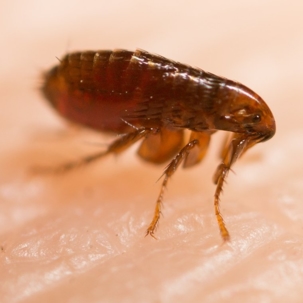
What Do Fleas Eat?
Knowing what fleas eat is fundamental to controlling them effectively. Adult fleas feed primarily on the blood of mammals and birds, which is essential for reproduction. Without blood meals, female fleas cannot produce eggs. By understanding this, pest control strategies can target the hosts or interrupt feeding, reducing flea populations.
Targeting Life Stages: Fleas have multiple life stages—egg, larva, pupa, and adult—and each has different dietary requirements. Larvae do not feed on blood; instead, they consume organic debris, including adult flea feces (dried blood), skin flakes, and other organic matter in the environment. Knowing this allows for targeted environmental interventions, such as cleaning and vacuuming, to remove larval food sources.
Selecting Appropriate Treatments: Some flea control products are systemic, affecting the flea when it feeds on a host’s blood. Understanding that adult fleas rely on blood meals ensures that these treatments are applied correctly to the right animals, maximizing effectiveness. Similarly, environmental treatments like insect growth regulators (IGRs) can disrupt larval feeding and development by targeting the organic matter they consume.
Preventing Reinfestation: Knowing what fleas eat helps identify risk areas in a home or yard. For instance, larval fleas thrive in areas where pets rest or where organic debris accumulates. By removing these food sources, you reduce the chance of new fleas reaching adulthood and feeding on hosts.
Minimizing Chemical Use: A clear understanding of flea diet allows for strategic interventions that may reduce reliance on harsh chemicals. For example, thorough cleaning, vacuuming, and washing bedding remove larval food and interrupt the flea life cycle, complementing chemical treatments.
Knowing what fleas eat is critical for breaking their life cycle, effectively targeting treatments, and reducing the risk of persistent infestations. It informs both environmental management and host-targeted strategies, making control measures far more efficient and sustainable.
Do Fleas Eat Blood?
Fleas have evolved to feed on blood for several specific reasons, which are a result of their evolutionary adaptations and biological requirements:
- Nutritional Needs: Fleas require specific nutrients that are most readily available in blood. Blood is rich in proteins, which are essential for their growth and reproduction. By feeding on blood, fleas obtain the necessary amino acids and other nutrients that are vital for their survival.
- Symbiotic Relationship: Fleas have developed a specialized, coevolved relationship with their host animals. They have adapted to pierce the skin and feed on blood without killing the host, which allows them to continuously feed and reproduce. This symbiotic relationship benefits fleas by providing a consistent food source and benefits the host by not causing immediate harm.
- Salivary Glands and Blood-Feeding Adaptations: Fleas have specialized mouthparts and salivary glands that are adapted for piercing the skin and obtaining blood. Their saliva contains anticoagulants and other compounds that prevent the host's blood from clotting while they feed. This adaptation allows them to feed efficiently and avoid detection by the host.
- Reproduction: Blood is essential for the reproduction of fleas. Female fleas require a blood meal to produce eggs, and male fleas may also consume blood to support their reproductive functions.
- Survival: Fleas have a relatively short life cycle, and obtaining a sufficient blood supply is crucial for their rapid development and survival. Blood provides the energy and nutrients needed to grow from larva to pupa to adult.
Fleas have evolved to feed on blood because it provides them with the necessary nutrients, supports their reproductive cycle, and allows them to maintain a specialized relationship with their host animals. This adaptation has enabled fleas to thrive as parasitic insects, even though their feeding habits can be a nuisance and health concern for their hosts.
Do Fleas Eat Human Blood?
Yes, fleas can and do feed on human blood. While fleas are most commonly associated with infesting mammals like dogs and cats, they are opportunistic feeders and can also bite and feed on humans. When fleas infest a household or an area where humans are present, they may bite humans to obtain blood for their nourishment. The bites often result in itchy, red welts on the skin.
Flea bites on humans typically appear as clusters of small, red, itchy bumps, and they can occur on various parts of the body, including the ankles, lower legs, and other areas where the skin is exposed. These bites can be uncomfortable and may cause allergic reactions in some individuals.
To prevent flea bites and infestations in your home, it's essential to take measures to control fleas, which may include treating pets with flea preventive products, maintaining a clean living environment, and using appropriate pest control methods when necessary. Additionally, if you have a significant flea infestation in your home, it may be advisable to consult our pest control professionals for effective and thorough eradication.
What Do Fleas Eat Other Than Blood?
Fleas don’t rely solely on blood—different life stages consume very different things:
Adult Fleas: Their primary diet is blood from mammals or birds. Adults require blood to reproduce; without it, female fleas cannot lay eggs.
Flea Larvae (Immature Stage): Larvae do not feed on blood directly. Their main food sources include feces of adult fleas (dried blood excreted by adults), organic debris such as skin flakes, hair, dust, and detritus found in carpets, bedding, or soil, and animal dander from pets. Larvae are blind and avoid light, feeding in dark, protected areas like pet bedding, carpets, and floor cracks.
Environmental Sources: Flea larvae can survive on almost any organic matter rich in protein in their surroundings. Areas heavily trafficked by pets or with unclean bedding are common hotspots for larvae.
Pupal Stage: Flea pupae (cocoons) do not feed at all. They survive off energy stored from the larval stage until emerging as adults.
Adult fleas rely exclusively on blood, while larvae are opportunistic feeders on organic debris and adult flea feces. Understanding these dietary differences is crucial for effectively controlling both the environment and the host animals.
What Do Flea Larvae Eat?
Flea larvae have a distinctly different diet from adult fleas. While adult fleas primarily feed on the blood of their host animals, flea larvae are not blood-feeders. Instead, they are scavengers and primarily feed on organic debris found in the environment. Here's what flea larvae eat:
- Organic Matter: Flea larvae primarily feed on various forms of organic matter, such as dead skin cells, hair, and other organic debris. This debris is commonly found in the environment where the host animal lives. For example, flea larvae may be found in carpets, bedding, pet bedding, cracks in floors, and other sheltered areas.
- Flea Excrement: Adult fleas produce feces that contain dried blood. Flea larvae feed on these fecal pellets, which provide a source of nutrients, including partially digested blood. This is one way in which flea larvae indirectly benefit from the blood-feeding habits of adult fleas.
- Partially Decomposed Material: Flea larvae are also known to feed on decaying plant matter and other small, decomposing organisms that they encounter in their environment.
- Fungus: In some cases, flea larvae may consume fungal spores or hyphae if they come into contact with them. This is less common but can occur in specific environmental conditions.
Flea larvae are photophobic, meaning they avoid light, and they tend to reside in dark, sheltered areas where they can find their preferred food sources. To effectively control a flea infestation, it's necessary to not only treat the host animals and eliminate adult fleas but also address the environmental sources where flea larvae live and feed. This typically involves thorough cleaning, vacuuming, and using insecticides or other control methods in areas where the larvae are likely to be found.
How Do Fleas Eat?
Fleas have specialized mouthparts and feeding mechanisms that allow them to feed on the blood of their host animals. The process of how fleas eat can be broken down into several steps:
- Piercing the Skin: Fleas use their elongated and needle-like mouthparts, called a proboscis or stylet, to pierce the skin of their host. The proboscis is equipped with sharp, backward-pointing barbs that help anchor the flea in place.
- Locating a Blood Vessel: After piercing the skin, the flea's proboscis is maneuvered to find a blood vessel beneath the host's skin. The barbs on the proboscis help keep the flea in position as it feeds.
- Saliva Secretion: While feeding, fleas secrete their saliva into the wound they've created. Flea saliva contains anticoagulants and other compounds that prevent the host's blood from clotting. This allows the flea to feed more efficiently and continuously.
- Blood Uptake: The flea then begins to suck the host's blood through its proboscis. Fleas can consume a significant amount of blood relative to their size, and they often feed multiple times a day.
- Digestion: The ingested blood travels through the flea's digestive system, where it extracts the necessary nutrients, such as proteins, that are vital for the flea's growth and reproduction.
Fleas are highly adapted to their blood-feeding lifestyle and have evolved various features to facilitate this process. Additionally, their ability to feed on blood without causing immediate harm to their host animals has contributed to their survival and proliferation as parasitic insects. While feeding, fleas may also excrete excess fluids, which can cause itching and discomfort for the host and may contribute to the transmission of diseases in some cases.
How Often Do Fleas Feed?
Fleas feed regularly and frequently, often multiple times a day, depending on the availability of a host and their individual needs. The feeding frequency of fleas can vary due to factors such as their life stage, environmental conditions, and the presence of a suitable host. Here's a breakdown of the feeding patterns of fleas:
- Adult Fleas: Adult fleas are the ones that primarily feed on blood. They are constantly on the lookout for a host and will feed as soon as they find one. Adult fleas can feed multiple times a day, and they may continue to do so as long as a host is available.
- Flea Larvae: Flea larvae do not feed on blood. They primarily feed on organic debris found in their environment, including dead skin cells, hair, and other organic matter. Flea larvae feed continuously and can do so as long as they have access to suitable food sources in their surroundings.
- Pupae: During the pupal stage, which is the transitional stage between larvae and adult fleas, they do not feed. Pupae are encased in a protective cocoon, and their focus is on undergoing metamorphosis to become adult fleas.
The feeding frequency of fleas is closely tied to their survival and reproductive needs. For adult fleas, regular blood meals are essential for their energy, nutrient, and reproductive requirements. The presence of a host animal triggers their feeding behavior, and they will seek to feed whenever they find a suitable host. Flea larvae, on the other hand, feed continually on the available organic matter in their environment to support their growth and development.
To control flea infestations, it's important to address both adult fleas on the host animal and the environmental sources where flea larvae reside, as these different life stages have varying feeding habits and requirements.
Do Fleas Eat Food?
Fleas do not eat human or pet food. Adult fleas feed exclusively on the blood of mammals or birds, which is essential for survival and reproduction. Larvae feed on organic debris in the environment, such as dried blood from adult fleas, skin flakes, hair, dust, and animal dander. Pupae do not eat at all, relying on stored energy from the larval stage. Fleas may be seen near food bowls or kitchens, but this is due to their proximity to hosts and debris, not because they are consuming the food itself.
Do Fleas Eat Human Food?
Fleas may be seen near kitchens, floors, or food crumbs, which can lead people to believe they eat human food. In reality, their presence is usually due to access to pets or humans for blood meals, or accumulated organic debris where larvae develop.
Adult Fleas: Adult fleas do not eat human food. Their only source of nutrition is blood from mammals or birds, which they need to survive and reproduce.
Flea Larvae: Larvae also do not consume human food. They feed on organic debris in the environment, including dried blood from adult flea feces, skin flakes, hair, dust, and other protein-rich particles, and animal dander. Larvae may be found near areas where humans live simply because debris accumulates there, but they are not consuming actual meals.
Pupal Stage: Pupae do not eat at all, relying on energy stored during the larval stage until emerging as adults.
Fleas at all life stages do not consume human food. Effective flea control relies on targeting hosts for blood meals and environmental cleaning to remove larval food sources, rather than focusing on crumbs or human food.
Do Fleas Eat Pet Food?
Pet owners often notice fleas crawling on or around pet food bowls. Seeing fleas in these areas can give the impression that they are feeding on the kibble or wet food directly. In reality, fleas are drawn to areas where pets spend time because the blood they feed on is nearby, not because of the food itself.
Larvae Feeding on Debris: Flea larvae consume organic debris, including pet hair, dander, and crumbs that may accumulate around food bowls. If crumbs or spilled food are mixed with this debris, it can appear as though the larvae are eating the pet food, even though they are actually feeding on the protein-rich organic matter around it.
Association With Pets: Pets often eat near the same areas where they sleep or rest. Fleas follow the host for blood meals, so their presence near food bowls is coincidental to the pet’s activity zones, reinforcing the mistaken belief that food itself is attracting them.
Misinterpretation of Attraction: Fleas may appear more concentrated in areas where pets are well-fed because healthy pets produce more blood (making them ideal hosts) and shed more dander and hair. This environmental buildup can be mistaken as fleas eating the pet food itself, rather than taking advantage of organic debris associated with the pet.
Fleas do not eat pet food. Their presence near feeding areas is due to: access to hosts, accumulation of organic debris, and favorable conditions for larvae. Understanding this distinction is important for effective pest control, focusing on host treatment and environmental cleaning rather than removing pet food.
Do Fleas Eat Plants?
No, fleas do not eat plants. Fleas are parasitic insects that exclusively feed on the blood of mammals, including dogs, cats, humans, and occasionally birds. They have specialized mouthparts designed for piercing the skin of their host and extracting blood. This blood-feeding behavior is essential for their survival and reproduction.
Fleas have evolved to be highly adapted to their blood-feeding lifestyle and do not possess the physiological features or digestive system necessary for consuming plant material. They obtain the nutrients they need, including proteins and other essential components, from the blood of their host animals.
In the larval stage, flea larvae primarily feed on organic debris, such as dead skin cells, hair, and other organic matter found in the environment. They may also feed on dried blood excreted by adult fleas. However, even in the larval stage, they do not consume plants.
Fleas are obligate blood-feeding parasites and do not eat plants or plant-based material.