
Dust Mite Bites vs Bed Bug Bites
Misidentifying the cause of skin irritation can result in ineffective treatment. Dust mite allergies respond to antihistamines, topical corticosteroids, and environmental control such as bedding management and dust reduction. Bed bug bites, on the other hand, require pest control intervention in addition to symptom management. Treating bed bug bites as an allergy problem allows the infestation to persist and worsen.
Preventing Health Complications: Chronic exposure to dust mites can exacerbate asthma, allergic rhinitis, and eczema, making environmental control essential. Repeated bed bug bites can cause intense itching, secondary bacterial infections from scratching, sleep disturbances, and psychological stress. Prompt identification reduces the risk of these complications.
Avoiding Unnecessary Anxiety or Expense: Misinterpreting dust mite reactions as bed bug bites may lead to unnecessary pest control treatments, causing financial waste and stress. Conversely, mistaking bed bug bites for dust mite reactions can delay eradication, allowing the infestation to grow and increasing the cost of professional control.
Targeted Environmental Control: Dust mites can be managed with mattress encasements, frequent washing of bedding, and HEPA filtration. Bed bugs require inspection, chemical or heat treatments, and laundering of infested bedding and clothing. Correct identification ensures that the proper measures are implemented efficiently.
Preventing Infestation Spread: Bed bugs can rapidly spread within a home or building if not addressed promptly. Misidentifying them as dust mites allows the infestation to expand and potentially affect others. Dust mites, while ubiquitous, do not spread in the same invasive way.
Guiding Patient or Client Education: Accurate identification allows professionals to educate residents or clients effectively, helping them manage symptoms and prevent recurrence. Misinformation can lead to frustration, mistrust, or ineffective control measures.
Correctly distinguishing between dust mite reactions and bed bug bites ensures effective treatment, prevents health complications, avoids unnecessary costs, and helps contain potential infestations. This differentiation is essential for both medical management and pest control strategies.
What Are The Differences Between Dust Mite Bites And Bed Bug Bites?
Dust mite bites and bed bug bites are often confused because both can cause itchy skin reactions, but they have distinct differences. Here are some of the differences between dust mite bites and bed bug bites a comparison:
Appearance
Dust mites rarely bite humans, so there are typically no true bite marks. What appears on the skin is usually an allergic reaction to dust mite allergens. Bed bugs, on the other hand, actively puncture the skin to feed on blood, creating actual bite marks.
Appearance: Dust mite reactions usually present as red or pink patches, small raised bumps, or hives, and may cause dry, itchy skin or eczema flare-ups. Bed bug bites appear as small, red, raised bumps often with a darker red center, and in sensitive individuals may blister or swell.
Pattern and Distribution: Dust mite reactions are generally random and appear on areas in contact with bedding, dust, or clothing, such as the arms, neck, face, and torso. Bed bug bites are typically found on exposed areas during sleep, including the face, neck, arms, hands, and legs. They often occur in linear or clustered patterns, sometimes called the “breakfast, lunch, and dinner” pattern.
Timing and Evolution: Dust mite reactions can appear hours to days after exposure and may persist as long as allergens remain. Bed bug bites usually appear within 24–48 hours after being bitten, with new bites potentially appearing nightly if an infestation is ongoing.
Associated Symptoms: Dust mite reactions primarily cause itching, redness, and sometimes eczema, and may trigger respiratory symptoms in allergic individuals. Bed bug bites cause intense itching, swelling, possible secondary infections from scratching, and sleep disturbances.
Dust mite “bites” are generally allergic reactions with random distribution, mild to moderate redness, and no actual skin puncture. Bed bug bites are physical punctures with red, raised bumps, often in linear or clustered patterns, typically on exposed areas during sleep, and are associated with more intense itching and discomfort.
Cause
Dust mites are microscopic arachnids that live in household dust, bedding, and upholstered furniture. They do not usually bite humans; reactions are triggered by allergens from their feces, shed skin, and body fragments. Bed bugs, on the other hand, are blood-feeding insects (Cimex lectularius and Cimex hemipterus) that actively bite humans to feed, usually at night.
Mechanism of Reaction: Dust mite reactions occur when the human immune system responds to proteins in dust mite feces or body parts, resulting in allergic inflammation. Bed bugs inject saliva containing anticoagulants and anesthetic compounds during feeding, causing localized skin irritation, redness, and itching at the bite site.
Type of Exposure: Exposure to dust mites happens through contact with dust-contaminated surfaces such as bedding, carpets, upholstered furniture, or clothing. The reaction depends on allergic sensitivity rather than an actual bite. Bed bug exposure occurs through direct contact during feeding, typically while a person is asleep, with each bite being a physical puncture to draw blood.
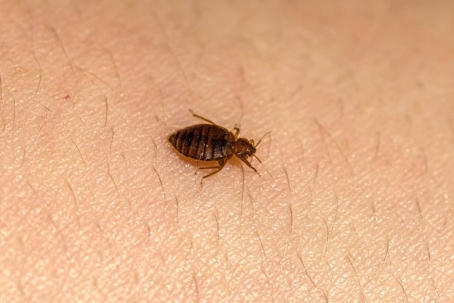
Visibility of the Cause: Dust mites are invisible to the naked eye, typically measuring about 0.2–0.3 mm, and their presence is inferred from dust accumulation and allergy symptoms rather than visible bites. Bed bugs are visible to the naked eye, measuring about 4–5 mm as adults, and their presence can often be confirmed by seeing live bugs, shed skins, or fecal spots.
Intentionality: Dust mite reactions are involuntary, as dust mites do not actively attack or feed on humans. Bed bug bites are intentional, with the insects actively seeking out humans for blood meals.
Dust mite reactions are caused by allergens and involve an immune-mediated response without actual biting, while bed bug reactions are caused by physical bites that inject saliva and provoke localized skin irritation. The distinction is critical for diagnosis, treatment, and appropriate environmental or pest-control measures.
Location
Dust Mite Bite Locations: Dust mites rarely bite humans; most reactions are allergic rather than actual bites. Skin irritation typically occurs on areas in direct contact with bedding, dust, or upholstered furniture. Commonly affected regions include the arms, neck, face, and torso. The distribution is usually generalized or random, depending on where the skin contacts dust mite allergens.
Bed Bug Bite Locations: Bed bugs actively feed on human blood, producing physical puncture marks. Bites are typically found on exposed areas during sleep, such as the face, neck, arms, hands, and legs. Less frequently, covered areas may be affected if the infestation is severe. Bed bug bites often appear in linear or clustered patterns, sometimes referred to as “breakfast, lunch, and dinner” lines, reflecting multiple bites along a path.
Key Differences: Dust mite reactions are generalized and contact-dependent, whereas bed bug bites are localized to exposed areas during sleep. Dust mite reactions appear randomly, while bed bug bites often form lines or clusters. Dust mite reactions can occur on areas covered by clothing if allergens are present, while bed bugs primarily target uncovered skin.
Understanding the differences in typical bite locations is essential for accurately identifying whether a skin reaction is caused by dust mites or bed bugs. This distinction informs proper treatment, environmental control, and pest management strategies.
Duration of Skin Reaction
Dust Mite Reactions: Dust mite reactions are caused by allergic responses to dust mite allergens such as feces, shed skin, and body parts, rather than actual bites. The symptoms can persist as long as the allergens are present, often lasting days to weeks if exposure continues. Itching, redness, or eczema flare-ups may appear intermittently depending on allergen contact and individual sensitivity.
Resolution of Dust Mite Reactions: The reaction typically subsides with removal of allergens and the use of antihistamines, corticosteroids, or other allergy treatments. In highly sensitive individuals with ongoing exposure, reactions can be chronic.
Bed Bug Bites: Bed bug bites are caused by the physical puncture from blood-feeding insects. Individual bite reactions generally last 5–14 days, depending on the severity and the person’s sensitivity. Mild reactions may resolve within a few days, while severe reactions can persist for up to two weeks or slightly longer.
Resolution of Bed Bug Bites: Relief is achieved through topical treatments such as corticosteroids or anti-itch creams, oral antihistamines, and preventing further bites. If an infestation is ongoing, new bites may appear nightly, prolonging the overall duration of visible skin reactions.
Key Differences: Dust mite reactions are dependent on allergen exposure and may persist or recur as long as allergens remain, making them chronic or intermittent. Bed bug bites have a fixed healing period per bite, typically 5–14 days, but repeated bites from an active infestation can extend the total duration of symptoms.
Understanding the difference in duration between dust mite reactions and bed bug bites is essential for accurate diagnosis and effective treatment, as well as for guiding environmental or pest control interventions.
Timing
Dust Mite Reactions Timing: Dust mite reactions are caused by allergic responses to dust mite allergens rather than actual bites. Symptoms such as redness, itching, or eczema flare-ups may appear hours to days after exposure. The onset is generally gradual and can fluctuate depending on the amount and duration of allergen contact.
Factors Influencing Dust Mite Reaction Timing: The timing of symptoms depends on allergen load, individual sensitivity, and duration of exposure. Reactions can persist or recur as long as the allergens remain in the environment, making them chronic or intermittent rather than tied to a specific moment of contact.
Bed Bug Bite Timing: Bed bug bites are caused by the physical puncture of the skin during feeding. Bites usually become visible within 24–48 hours after the insect feeds, though mild reactions may appear sooner and severe reactions may take slightly longer to develop.
Factors Influencing Bed Bug Bite Timing: The appearance of bed bug bites depends on individual sensitivity and immune response. People with stronger immune reactions may see redness and swelling appear quickly, whereas others may not notice the bite for a day or two. Repeated exposure to an ongoing infestation can result in new bites appearing nightly, extending the duration of visible reactions.
Key Differences: Dust mite reactions appear gradually and depend on continuous allergen exposure, while bed bug bites have a predictable onset following a feeding event, usually within 24–48 hours. Dust mite reactions can be chronic and intermittent, whereas bed bug bite reactions are acute per bite but may accumulate if bites continue.
Understanding the difference in timing helps distinguish between allergic reactions to dust mites and actual bed bug bites, ensuring appropriate treatment and environmental or pest control measures.
Other Symptoms
Dust Mites: Sneezing, watery eyes, nasal congestion, coughing, or asthma symptoms due to inhaled allergens.
Bed Bugs: Bite sites are often painful or intensely itchy, sometimes leading to secondary infections from scratching. No respiratory symptoms unless there is a rare allergic reaction.
Diagnosis and Identification
Verification of Dust Mite Reactions: Dust mite reactions are verified primarily through allergy testing and environmental assessment rather than direct observation of bites. Since dust mites rarely bite humans, skin irritation or hives are usually caused by an allergic response to dust mite allergens such as feces, shed skin, or body parts.
Verification of Bed Bug Bites: Bed bug bites are verified through a combination of clinical observation of bite patterns and physical evidence of infestation. Unlike dust mites, bed bugs actively bite and leave visible puncture marks, which can be correlated with other signs of the insect’s presence.
Key Differences: Verification of dust mite reactions relies on allergy testing and environmental assessment, as there are no actual bites to observe. Bed bug bites are verified by direct observation of both the bites and physical evidence of the insects, along with bite pattern analysis and patient history.
Correctly verifying the source of skin reactions is critical for effective management. Dust mite reactions are confirmed through testing and allergen control, while bed bug bites require both visual inspection and pattern recognition to accurately identify and address infestations.
Presence of Secondary Signs
Nature of Secondary Signs: Dust mite secondary signs are primarily related to allergic reactions rather than actual bites. There are no puncture marks, so secondary effects are indirect, usually resulting from scratching or prolonged inflammation. Bed bug secondary signs, in contrast, result from physical feeding and include both skin effects from scratching and environmental indicators of infestation.
Skin-Related Secondary Signs: Dust mite reactions may lead to redness, skin thickening, or excoriations in frequently scratched areas. In individuals prone to atopic dermatitis, repeated exposure can trigger eczema flare-ups. Chronic itching may also cause hyperpigmentation or lichenification over time. Bed bug bites produce scratching injuries such as red marks, crusting, or secondary bacterial infections. Some individuals may develop blistering or swelling if highly sensitive, with inflammation often appearing in linear or clustered bite patterns.
Environmental or Indirect Secondary Signs: For dust mites, secondary signs include accumulation of dust in bedding, mattresses, upholstered furniture, and carpets. Dust mite allergens can be detected via dust sampling or professional testing. Bed bug secondary signs include live bugs, shed skins, or eggs in mattress seams, bed frames, and furniture crevices, as well as fecal spots or blood stains on sheets, pillows, or furniture. Severe infestations may also produce a musty or sweet odor.
Timing and Persistence: Dust mite secondary signs are chronic or intermittent, depending on ongoing allergen exposure and scratching behavior. Bed bug secondary signs from bites appear shortly after feeding, typically within 24–48 hours, while environmental signs persist as long as the infestation exists.
Key Differences: Dust mite secondary signs are largely allergy-driven and indirect, whereas bed bug secondary signs are caused directly by physical bites and infestation. Dust mite signs are primarily skin irritation and eczema, while bed bug signs include both skin reactions and environmental evidence of the insects. Dust mite signs are chronic or intermittent, whereas bed bug signs are acute per bite but cumulative with ongoing infestation.
Recognizing the differences in secondary signs is critical for correctly identifying whether skin reactions are due to dust mites or bed bugs. This distinction informs proper treatment, allergen control, and pest management strategies.
Treatment Approach
Treatment Approach Overview: Dust mite “bites” are actually allergic reactions, whereas bed bug bites are caused by physical insect feeding. Consequently, getting rid of dust mite reactions focuses on allergy management and environmental control, while getting rid of bed bug bites requires symptom relief combined with prevention of further bites through pest eradication.
Dust Mite Bite Relief – Symptom Management
Relief from dust mite reactions typically involves antihistamines, topical corticosteroid creams, or moisturizers to reduce itching, redness, and inflammation. Symptom management addresses the immune system’s response to allergens rather than an actual wound or bite.Dust Mite Bite Relief – Environmental Control: Long-term relief requires reducing allergen exposure. This includes encasements for mattresses and pillows, frequent washing of bedding in hot water, regular vacuuming with HEPA filters and dust control, and minimizing dust accumulation in carpets, curtains, and upholstered furniture. These measures help prevent ongoing reactions and chronic skin irritation.
Bed Bug Bite Relief – Symptom Management: Relief from bed bug bites focuses on soothing the skin and reducing itching. Common methods include topical corticosteroid creams, oral or topical antihistamines, and cold compresses to reduce swelling. Unlike dust mite reactions, bed bug bites may cause localized inflammation, blistering, or secondary infections that require careful monitoring.
Bed Bug Bite Relief – Preventing New Bites: Treating existing bites alone is insufficient if the infestation continues. Preventing new bites requires bed bug eradication through professional pest control treatments (chemical, heat, or steam), laundering and drying bedding, clothing, and linens at high temperatures, inspecting and cleaning mattress seams, bed frames, furniture, and cracks or crevices. Without addressing the bed bug infestation, bites will continue to appear despite symptom treatment.
Key Differences: Dust mite reaction treatment targets immune responses and environmental allergens, with no need to eliminate an actual biting organism. Bed bug bite treatment combines symptom relief with active pest control, as ongoing exposure will perpetuate the problem. Dust mite management is preventive and chronic, while bed bug management is acute and requires immediate action against the insect.
Effectively managing dust mite reactions relies on reducing allergen exposure and controlling the immune response, while managing bed bug bites requires both treating symptoms and taking immediate action to eradicate the infestation. Recognizing this distinction ensures proper treatment and prevents ongoing discomfort or skin issues.