
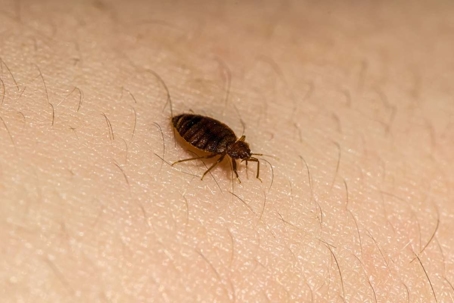
Bed Bugs Bite
Bed bugs are most likely to bite when they have easy access to a host at rest—usually during the night while people are sleeping. These bugs are nocturnal and drawn to the carbon dioxide and body heat humans emit, which helps them locate exposed skin. Bites typically occur in the following situations:
When Staying in Infested Locations: Infestations in hotels, dorms, shelters, or apartment buildings increase bite risk, especially if bed bugs hitchhike on luggage, clothing, or furniture.
After Bringing Home Infested Items: Used furniture, mattresses, or clothing can harbor bed bugs. Once inside, they quickly find sleeping areas and start feeding on people resting nearby.
In Cluttered or Shared Living Environments: Bed bugs thrive where people live in close quarters or where clutter gives them ample hiding spots. The more hiding areas near a bed or couch, the more frequent bites tend to be.
Bed bugs are most likely to bite when a person is stationary and available for an extended period, particularly at night and near their hiding places in mattresses, headboards, or upholstered furniture.
When Do Bed Bugs Bite?
Bed bugs are nocturnal pests, meaning they are most active at night when people are sleeping. They typically bite between midnight and 5 a.m., though they can feed at any time if a host is resting or stationary for long periods.
Their behavior is guided by body heat and the carbon dioxide we exhale. Once they detect a nearby host, bed bugs crawl from their hiding places—such as mattress seams, box springs, furniture cracks, or behind wall outlets—and feed for about 3 to 10 minutes before retreating back to their hiding spots.
While nighttime bites are most common, bed bugs can and will bite during the day if an infestation is heavy or if they’re disturbed from their harborage sites. For instance, people who nap during the day, work night shifts, or spend time resting on infested furniture may still experience daytime bites.
Do Bed Bugs Bite At Night?
Yes, bed bugs are primarily nocturnal feeders and tend to bite at night. They are attracted to warmth, carbon dioxide, and body odors, which are more noticeable when a person is asleep and still. While they can feed during the day if conditions are favorable, nighttime activity is far more common because darkness provides cover and reduces the likelihood of detection. Bed bugs typically emerge from hiding places—such as mattress seams, bed frames, or cracks in furniture—shortly before or during the night, feeding for several minutes before retreating. This nocturnal feeding pattern contributes to their reputation as stealthy pests, as bites often go unnoticed until hours or days later when redness, swelling, and itching develop.
Do Bed Bugs Bite During The Day?
Although bed bugs are predominantly nocturnal, they may bite during the day under certain circumstances. This typically occurs when their usual nighttime feeding is disrupted or when they are forced to seek a blood meal due to hunger. Factors such as a heavily infested environment, irregular sleeping schedules, or a host being awake and resting in one place for extended periods can prompt daytime activity. Bed bugs are opportunistic feeders and can adjust their behavior to ensure survival, feeding whenever a host is accessible. Additionally, in spaces with limited hiding spots or heavy infestations, competition among bed bugs may increase daytime biting as they become more aggressive in seeking nourishment. While less common than nighttime bites, daytime feeding underscores the adaptability and persistence of these pests.
Bed Bug Bites
While bed bug bites are not known to transmit diseases, they can still pose several health, comfort, and psychological risks. The main risks associated with bed bug bites include:
Allergic Reactions: Some individuals experience mild to severe allergic responses to bed bug saliva. Reactions can range from small, itchy red welts to large, swollen hives or even blistering. In rare cases, people may experience systemic allergic responses that require medical attention.
Secondary Infections: Persistent scratching can break the skin, creating open wounds that may become infected with bacteria such as Staphylococcus aureus or Streptococcus pyogenes. Infected bites can result in impetigo, cellulitis, or lymphangitis if not properly cleaned and treated.
Sleep Disturbance: Knowing that bed bugs are active at night often leads to anxiety and insomnia. Repeated bites, itching, and the fear of being bitten can severely disrupt sleep quality and daily functioning.
Emotional and Psychological Stress: Bed bug infestations are notoriously stressful. Many people report anxiety, embarrassment, hypervigilance, or even post-traumatic stress–like symptoms after prolonged exposure to infestations and repeated bites.
Skin Irritation and Scarring: Itchy welts from bed bug bites can linger for several days or weeks. Excessive scratching or delayed healing can lead to hyperpigmentation or minor scarring, especially in individuals with sensitive skin.
Financial and Social Impact: Although indirect, the need to treat infestations, replace infested belongings, and restore living conditions can become financially and emotionally draining—especially if bites persist after failed DIY treatments.
While bed bug bites are not medically dangerous in most cases, the physical discomfort, risk of secondary infection, and psychological toll they cause make prompt and professional control essential.
Do Bed Bug Bites Hurt?
Bed bug bites generally do not cause immediate pain when they occur, as the insects inject a small amount of anesthetic along with an anticoagulant to prevent the host from noticing the bite while feeding. Most people only become aware of bites hours or even days later, when redness, swelling, and itching appear. The intensity of discomfort varies depending on an individual’s sensitivity: some may experience mild irritation or small, itchy welts, while others can develop more pronounced reactions, including clusters of raised bumps, intense itching, or even blisters. Scratching the bites can exacerbate pain, lead to secondary infections, and cause longer-lasting discomfort. Although the bites themselves are rarely dangerous, the persistent itching and potential for allergic reactions can make them quite bothersome, affecting sleep and daily comfort.
Do Bed Bug Bites Itch?
Yes, bed bug bites typically cause itching, which is one of the most common and noticeable symptoms. The itchiness results from the body’s immune response to proteins in the bed bug’s saliva, which the insect injects during feeding. Initially, bites may appear as small, red, raised bumps, often in clusters or lines, and the itching can range from mild irritation to intense, persistent discomfort. The severity of the itch varies depending on an individual’s sensitivity—some people may barely notice the bites, while others may experience severe itching that disrupts sleep and daily activities. Scratching the bites can worsen the irritation, potentially leading to inflammation, secondary infections, and longer-lasting marks on the skin.
Can Bed Bug Bites Cause Allergic Reactions?
Yes, bed bug bites can trigger allergic reactions in some individuals. The reaction occurs because proteins in the bed bug’s saliva, injected during feeding, can stimulate the immune system. For most people, this results in mild symptoms such as red, itchy welts or small clusters of bumps. However, more sensitive individuals may experience pronounced allergic responses, including intense itching, swelling, hives, or even blister-like lesions. In rare cases, systemic reactions such as difficulty breathing, dizziness, or widespread hives can occur, which require immediate medical attention. Repeated exposure to bed bug bites can also increase sensitivity over time, potentially leading to stronger allergic reactions with each subsequent bite. While these bites are not known to transmit disease, the allergic response and resulting skin irritation can be severe enough to impact daily comfort and sleep quality.
How Long Do Bed Bug Bites Last?
The duration of bed bug bites can vary from person to person, depending on individual reactions, the severity of the infestation, and the effectiveness of treatment. Bed bug bites typically last for a few days to a few weeks, and in some cases, even longer. Here's how long bed bug bites may last:
- Initial Onset: Bed bug bites often start as small, itchy red welts that may resemble mosquito bites. They are usually itchy, but the level of discomfort can vary. The initial reaction can last a few days to a week.
- Individual Variations: People's reactions to bed bug bites differ. Some individuals may not react at all, while others may develop intense itching and discomfort. The duration of the symptoms can be influenced by a person's sensitivity to the bites.
- Scratching and Infection: Scratching bed bug bites can lead to secondary infections. If this happens, the symptoms may persist longer. It's essential to avoid scratching to minimize the risk of complications.
- Treatment: Proper treatment can help alleviate symptoms and shorten the duration of bed bug bites. Over-the-counter creams and antihistamines can provide relief. If you suspect bed bugs, it's crucial to address the infestation promptly to prevent further bites.
- Reinfestation: If the underlying bed bug infestation is not fully eliminated, you may continue to get new bites, extending the overall duration of the issue.
- Chronic Cases: In rare cases, individuals with extreme sensitivities or chronic infestations may experience longer-lasting symptoms. These cases may require more aggressive treatments and medical intervention.
- Consulting a Healthcare Professional: If you have severe or persistent symptoms from bed bug bites, it's advisable to consult a healthcare professional. They can provide guidance on managing the symptoms and any complications that may arise from scratching or infection.
Bed bug bites can last from a few days to several weeks, and the duration can vary based on individual factors, reactions, and the effectiveness of treatment. If you have concerns about bed bug bites, it's wise to address the underlying infestation and seek medical advice if needed to manage any lingering symptoms or complications.
What To Do About Bed Bug Bites
If you’ve been bitten by bed bugs, it’s important to treat the symptoms properly and address the underlying infestation to prevent further bites. Here’s what you should do:
Clean the Affected Area: Wash the bites gently with soap and warm water to remove any dirt or bacteria. This helps prevent infection and soothes irritation.
Apply a Cold Compress: Use an ice pack or a clean, cold cloth for 10–15 minutes at a time. This reduces swelling, redness, and itching.
Use Anti-Itch or Topical Treatments: Apply over-the-counter hydrocortisone cream, calamine lotion, or an antihistamine cream to relieve itching and inflammation. If itching is severe, an oral antihistamine (like diphenhydramine or cetirizine) can help.
Avoid Scratching: As tempting as it is, scratching can break the skin and lead to infection or scarring. Keeping your nails trimmed and covering bites with a bandage may help resist the urge.
Monitor for Infection: Watch for signs of infection such as increased redness, swelling, pus, or pain. If any of these occur, or if you develop a fever, seek medical attention promptly.
Treat the Infestation: Bed bug bites will continue until the infestation is eliminated. Wash and dry bedding, clothing, and linens on the hottest settings, vacuum regularly, and inspect seams, cracks, and furniture for signs of bed bugs. However, because these pests are notoriously difficult to eradicate, hiring our professional bed bug control services is often the most effective and long-term solution.
Take Steps to Prevent Future Bites: After treatment, use bed bug-proof mattress and pillow encasements, reduce clutter, and inspect any secondhand furniture before bringing it inside. Contact us to learn more about our professional bed bug control services.
If you experience an allergic reaction, severe swelling, or ongoing discomfort, consult a healthcare professional for stronger medication or additional treatment.
Learn more: What Do Bed Bug Bites Look Like?
Learn more: Bed Bug Bites vs Flea Bites
Learn more: Bed Bug Bites vs Dust Mite Bites