
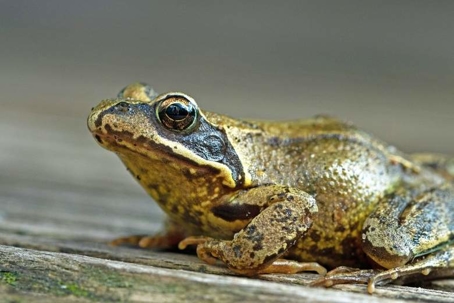
Can Frogs Bite?
Frogs do not have teeth or a biting mechanism like mammals or reptiles do. Instead, they have a specialized feeding system designed for swallowing prey whole. Frogs have a sticky, retractable tongue that they use to catch insects and other small prey. When a frog spots its prey, it flicks its tongue out with lightning speed, and the prey adheres to the sticky surface of the tongue. Then, the frog retracts its tongue and swallows the prey whole.
While frogs don't bite in the conventional sense, some larger species of frogs might exhibit defensive behaviors if they feel threatened. They may try to puff themselves up or emit loud, distressing calls to deter potential threats. Additionally, some frogs have rough or bumpy skin that can be mildly abrasive if handled, potentially leading to minor skin irritation for humans. However, it's crucial to note that frogs are generally not aggressive toward humans and prefer to avoid confrontation.
Frogs do not bite like animals with teeth but have specialized feeding mechanisms adapted for catching and consuming prey whole. Their interactions with humans are typically non-aggressive, and the primary concern when handling frogs should be the potential for transmitting diseases or contaminants through contact with their skin.
Do Frogs Bite?
Frog "bites" are not typical because frogs lack the teeth and jaw structure necessary for biting in the way mammals or reptiles do. Instead, frogs have a unique feeding mechanism that involves swallowing their prey whole. However, there are a few aspects to consider related to frog bites:
Jaw Structure: Frogs have a specialized jaw structure that is adapted for their feeding habits. Their upper jaw is fixed in place, while the lower jaw is mobile. This allows them to open their mouths wide to accommodate prey items. They lack the sharp teeth used for biting or chewing, as their diet mainly consists of insects, small invertebrates, and sometimes smaller frogs.
Feeding Behavior: When a frog captures prey, it typically uses its sticky, retractable tongue to catch it. The tongue is extended rapidly, and the prey adheres to its sticky surface. Then, the frog retracts its tongue, bringing the prey into its mouth. This process is not a "bite" in the traditional sense but a swift capture and ingestion.
Defensive Behaviors: While frogs are not predators of humans, some larger frog species may exhibit defensive behaviors if they feel threatened. They may inflate themselves to appear larger or emit loud, distressing calls. In rare cases, a startled or threatened frog might make a forceful motion with its mouth, but this is not an attempt to bite humans; it is more likely an effort to deter potential threats.
Frogs do not have the physical attributes for biting as mammals or reptiles do. Their feeding behavior revolves around swallowing prey whole using their specialized tongue and jaw structure. Frog "bites" as we commonly understand them are not a concern when interacting with these creatures.
Do Frogs Have Teeth?
Yes, frogs do have teeth, but it depends on the type of teeth and the species of frog:
Upper Jaw Teeth (Vomerine Teeth): Most frogs have small teeth called vomerine teeth on the roof of their mouths. These are not like human teeth but are small, cone-shaped, and mainly used to hold prey rather than chew it. They are typically located in two patches behind the frog’s nostrils.
Maxillary Teeth: Some frog species also have tiny maxillary teeth along the edges of their upper jaw. These teeth help grip prey to prevent it from escaping as the frog swallows it whole.
Lower Jaw: Frogs generally do not have teeth on their lower jaw. They rely on their strong tongue and the upper-jaw teeth to secure prey before swallowing.
Function: Frog teeth are not designed for chewing. Frogs usually swallow their prey whole. The teeth serve primarily as a tool for holding and positioning prey rather than breaking it down.
Variation by Species: Not all frogs have both vomerine and maxillary teeth. Some species, like certain toads, may lack teeth entirely, while others, like the African bullfrog, have pronounced teeth.
Frogs have teeth on the upper jaw in most cases, but they don’t chew with them. Their teeth are mainly for gripping prey.
Are Frogs Aggressive?
Frogs are generally not aggressive toward humans. Their behavior is mostly defensive or survival-driven rather than confrontational:
Natural Behavior: Frogs are timid animals and prefer to flee rather than fight when threatened. They rely on jumping away, hiding, or camouflaging themselves to avoid predators.
Defensive Biting: Some larger species, like African bullfrogs, horned frogs, or Pacman frogs, may bite if handled roughlyor feel threatened. These bites are defensive, not aggressive; the frog is reacting to being restrained or provoked.
Territoriality: Male frogs can be territorial, especially during breeding season, but this aggression is directed at other frogs, not humans.
Toxins and Warning Signals: Some frogs, like poison dart frogs, are brightly colored to warn predators of their toxicity. They do not attack; their “aggression” is purely chemical defense.
Captive Behavior: Frogs in captivity may appear bold when hungry or used to handling, but this is not true aggression—it’s opportunistic feeding behavior.
Frogs are mostly shy and defensive, not aggressive. Any apparent “aggression” is almost always a reaction to feeling threatened or being mishandled.
Frog Bites
Frog bites are generally minor and harmless, but the severity depends on the species and the circumstances of the bite:
Common Frog Species (Pet or Wild)
Most frogs, such as green tree frogs, bullfrogs, and other small amphibians, have tiny, weak jaws and no true teeth (or only small, non-serrated ones). Their bites might cause:
A light pinch or scrape, comparable to being nipped by a small lizard.
Occasionally, minor bleeding or redness if the frog latches on or you pull away quickly.
Very rarely, a mild skin reaction or irritation, especially if the skin was broken and not cleaned promptly.
Large or Exotic Frogs
Certain species, like African bullfrogs, Pacman frogs (horned frogs), or marine toads, have stronger jaws and can deliver more painful bites:
These frogs can bite hard enough to draw blood, leaving a small puncture wound or bruise.
Pain is usually sharp but short-lived, though swelling may occur if bacteria enter the wound.
Because frogs often have bacteria (and occasionally parasites) in their mouths, there’s a small infection risk if bitten by one of these larger species.
Frog bites are typically not dangerous, but they can hurt a bit and occasionally cause infection if not cleaned properly.
Do Frog Bites Hurt?
Yes, frog bites can hurt, but the intensity is usually mild and depends on the species of frog and the size of the bite:
Small Frogs: Most common frogs are tiny, and their teeth (if present) are very small. A bite from these frogs may feel like a pinch or a mild scratch, sometimes causing slight bleeding or redness, but it’s generally not painful.
Larger Frogs: Larger species, such as the African bullfrog or some horned frogs, have stronger jaws and tiny teeth along the upper jaw. A bite from these frogs can cause a sharp pinch, minor cuts, or bruising. Pain is usually short-lived.
Toxins: Some frogs, particularly poison dart frogs, carry skin toxins. Their bite may not be painful mechanically, but if the toxin contacts broken skin, it can cause burning, irritation, or numbness.
Infection Risk: Even if the bite itself is not painful, improper care can lead to infection, which may result in swelling, throbbing pain, or redness later.
Psychological Factor: Many people perceive frog bites as more painful than they are because of the surprise and the slimy texture, which can amplify the sensation of discomfort.
Frog bites are usually mild and brief in pain, except in the case of larger frogs or toxic species, where more attention is needed.
What Do Frog Bites Look Like?
Frog bites on humans are relatively uncommon because most frogs are small and have tiny teeth or none at all. However, some larger species—like the African bullfrog or the Ceratophrys (Pacman frog)—can deliver a noticeable bite. Here’s what to expect:
Small puncture marks: Usually one or two small punctures where the frog’s teeth or jaw clamped down. They may be tiny pinprick-like wounds.
Redness or swelling: The area around the bite may become red or slightly swollen due to minor trauma.
Minor bleeding: Some frog bites can cause a small amount of bleeding, but it’s generally not severe.
Bruising: Depending on the frog’s size and bite force, a minor bruise may appear.
Occasional irritation or infection: Though uncommon, bacteria in the frog’s mouth can cause mild irritation or, rarely, infection if not cleaned properly.
What To Do About Frog Bites
Being bitten by a frog is usually not medically serious, but the proper response depends on the type of frog and whether it is wild or exotic. Here’s a detailed guide:
Stay Calm: Frog bites are typically minor. Most frogs cannot penetrate human skin deeply because their teeth (if present) are small and weak.
Wash the Wound: Immediately wash the bite with soap and clean running water for at least 1–2 minutes. This helps remove any dirt, bacteria, or toxins the frog may have on its skin.
Disinfect: Apply an antiseptic like iodine or an alcohol-based solution. Cover the bite with a clean bandage to protect against infection.
Observe for Symptoms: Monitor for redness, swelling, pain, or pus, which may indicate infection. If the frog is a toxic species, like a poison dart frog, rinse the area thoroughly and seek immediate medical attention, because some toxins can be absorbed through the skin or mucous membranes.
Avoid Touching Your Face: Especially eyes and mouth, since some frogs carry toxins or bacteria like Salmonella, which can cause illness.
Tetanus Consideration: If your tetanus immunization is not up to date (within the last 10 years, or 5 years if the bite is dirty), consult a healthcare provider.
When to Seek Medical Help: Signs of infection (spreading redness, warmth, swelling, pus), allergic reaction (hives, swelling beyond the bite, difficulty breathing), or a bite from a wild or exotic frog known for toxins.
Reduce Frog Populations: To reduce your chances of getting bitten by a frog, you can try attempting DIY frog removal, or contact our team of exterminators for professional frog control.
In most cases, a frog bite is more of a nuisance than a serious health risk, but cleaning the wound and monitoring for infection is essential.