
What Do Moths Eat?
Understanding what moths eat allows for precise pest management strategies. Different moth species have distinct feeding habits—some consume fabrics, others grains, stored food, or living plants. Knowing their diet helps identify the source of an infestation and select effective interventions.
Prevention of Damage: Moths that feed on clothing, carpets, or upholstery, such as clothes moths, cause structural and material damage. Those that target stored grains or pantry items can lead to significant food loss. Knowing their diet enables proactive measures, like proper storage or material protection, reducing potential economic and property damage.
Effective Baiting and Trapping: Moth traps often rely on attractants related to their diet or reproductive habits. By understanding what a particular moth species feeds on, one can choose the most effective lures—whether pheromone-based or food-based—to monitor or reduce populations.
Environmental and Ecological Insight: Moths play specific roles in ecosystems, such as pollination or serving as prey for other species. Knowing their diet helps in understanding their ecological impact and the consequences of controlling or eradicating certain populations.
Identification and Diagnosis: Many moth infestations are misdiagnosed because different species have similar appearances but vastly different feeding preferences. Recognizing their dietary habits helps accurately identify the species, which is critical for implementing the correct control measures.
By focusing control efforts on the correct diet-related behaviors and habitats, one can avoid unnecessary chemical treatments, wasted time, and repeated interventions, ultimately saving resources and improving safety.
What Moths Eat
For home and business owners, natural fibers and stored foods are the most common targets, making them the primary focus for prevention and control. Particularly around homes and businesses, here is what moths most commonly eat:
- Clothes and Natural Fibers: Many moths, particularly clothes moths (like the webbing clothes moth Tineola bisselliella), are attracted to natural fibers such as wool, silk, fur, feathers, and sometimes cotton blends. They typically feed on keratin, a protein found in these materials, causing holes and damage in clothing, carpets, and upholstery.
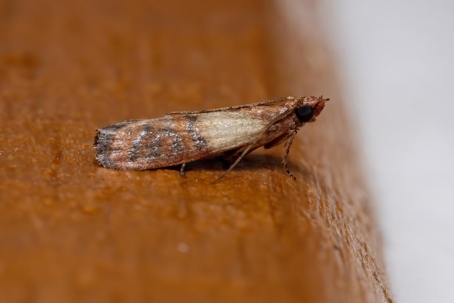
Stored Food Products: Pantry or grain moths (e.g., Indian meal moths Plodia interpunctella) target dry foods such as cereals, flour, rice, nuts, dried fruits, pet food, and other stored grains. They lay eggs near these food sources, and the larvae consume the products, contaminating them with silk webbing and droppings.
Living Plants: Certain moth species, like leaf miners or cutworms, feed on live plant tissues, including leaves, stems, flowers, and fruits. This is more relevant for gardens, farms, and ornamental plants.
Detritus and Organic Matter: Some moth larvae feed on organic detritus like dead leaves, animal hair, feathers, or even dried plant material in the soil. These are generally less of a household concern but are important in ecosystems.
Adult moths often do not feed at all or consume only liquids like nectar, sap, or water. It is typically the larval stage that causes damage because they require more protein and energy to grow.
Do Moths Eat Clothes?
Clothes moths are primarily attracted to clothing made of natural fibers containing keratin:
Do Moths Eat Cashmere?
Yes, moths can eat cashmere. Like wool and other animal fibers, cashmere contains keratin, which moth larvae feed on. They can create holes and weaken the fabric, especially if it’s stored for long periods without cleaning. Protecting cashmere with sealed storage, regular cleaning, and preventive measures helps prevent damage.
Do Moths Eat Cotton?
Moths generally do not eat pure cotton because it is a plant-based fiber and lacks the keratin protein that larvae need to grow. However, cotton items can become attractive if they are soiled with food, sweat, or oils, which provide nutrients for the larvae. Clean, unblended cotton is typically safe from moth damage.
Do Moths Eat Feathers?
Yes, moths can eat feathers. Feathers contain keratin, a protein that moth larvae can digest, making items like down jackets, feather pillows, and comforters vulnerable. Larvae can burrow into the feathers, causing holes, thinning, and overall damage if the items are left unprotected.
Do Moths Eat Fur?
Yes, moths can eat fur. Natural furs from animals like mink, rabbit, or fox contain keratin, which moth larvae feed on. They can damage fur coats, hats, and trims by creating holes and thinning the material, especially if the items are stored without protection.
Do Moths Eat Linen?
Moths generally do not eat pure linen. Linen is a plant-based fiber made from flax and lacks the keratin protein that moth larvae need to survive. However, linen can be damaged if it is blended with animal fibers like wool or silk, or if it is soiled with food, sweat, or oils that attract larvae. Clean, unblended linen is typically safe from moth damage.
Do Moths Eat Nylon?
No, moths do not eat nylon. Nylon is a synthetic fiber that lacks the natural proteins, like keratin, that moth larvae need to feed on. Clothes made entirely of nylon are generally safe from moth damage, though larvae may still be attracted to nylon items if they are soiled with sweat, oils, or food residues.
Do Moths Eat Polyester?
No, moths do not eat polyester. Polyester is a synthetic fiber that contains no keratin or other proteins that moth larvae require for growth. Pure polyester clothing and fabrics are generally safe from moth damage, though they can become indirectly affected if soiled with food, sweat, or oils that attract larvae.
Do Moths Eat Silk?
Yes, moths can eat silk. Silk is a natural protein fiber, which contains keratin-like proteins that moth larvae can digest. Delicate silk garments such as dresses, scarves, ties, and lingerie are particularly vulnerable, especially if stored for long periods without cleaning. Larvae can create holes and weaken the fabric, so preventive measures like sealed storage and regular cleaning are recommended.
Do Moths Eat Wool?
Yes, moths eat wool. Wool is a natural animal fiber rich in keratin, which moth larvae can digest. Larvae feed on the fibers, causing holes, thinning, and damage to sweaters, coats, blankets, and other woolen items, especially if they are stored for long periods without cleaning. Proper storage, regular cleaning, and preventive measures like moth repellents or traps help protect wool from infestation.
Do Moths Eat Stored Food Products?
Moths are most likely to infest food that is stored in warm, dark, and poorly sealed containers. Transferring susceptible foods into airtight containers and maintaining clean, dry pantry conditions is the most effective preventive measure.
Do Moths Eat Chocolate?
Some moth species, particularly pantry moths like the Indian meal moth, can infest chocolate, but it is less common than grains, nuts, or dried fruits. Moth larvae are primarily attracted to high-carbohydrate or protein-rich foods, so chocolate can be a food source if it is accessible, unwrapped, or contaminated with other food residues. Properly sealed storage reduces the risk of moth infestation.
Do Moths Eat Dairy Products?
Yes, some moths can eat certain dairy products, especially powdered or dry forms like nonfat dry milk, whey powder, and powdered cheese. Pantry moth larvae are attracted to protein-rich foods, and these products provide a suitable food source. However, fresh liquid dairy is generally not targeted because it spoils quickly and is less accessible to larvae. Properly sealing and storing dry dairy products helps prevent infestations.
Do Moths Eat Dried Fruit?
Yes, moths can eat dried fruit. Pantry moths, such as Indian meal moths, are attracted to the sugars in dried fruits like raisins, dates, figs, apricots, and prunes. Larvae can burrow into the fruit, leaving silk webbing and droppings that contaminate the food. Storing dried fruit in airtight containers in a cool, dry place is essential to prevent moth infestations.
Do Moths Eat Flour?
Yes, moths can eat flour. Pantry moths, particularly Indian meal moths, are attracted to all types of flour, including white, whole wheat, cornmeal, and specialty baking flours. Larvae can burrow into the flour, leaving silk webbing and droppings that contaminate it. Storing flour in airtight containers and keeping pantry areas clean are key to preventing infestations.
Do Moths Eat Grains & Seeds?
Moths, especially pantry moths like the Indian meal moth, are highly attracted to seeds and grains because they provide the carbohydrates and nutrients their larvae need to grow.
Whole Grains: Wheat, rice, barley, oats, corn, and quinoa are common targets. Larvae can burrow into the kernels or seeds, contaminating them with silk and droppings.
Processed Grains: Cornmeal, semolina, polenta, and flour made from grains are also susceptible.
Seeds: Sunflower seeds, pumpkin seeds, sesame seeds, flaxseed, and other edible seeds are vulnerable, particularly if stored in loose or porous containers.
Warm, dark, and humid storage areas, along with containers that are not airtight, greatly increase the likelihood of moth infestation. For prevention, store grains and seeds in sealed containers and rotate stock regularly.
Do Moths Eat Nuts?
Moths, particularly pantry moths like Indian meal moths, can infest a wide range of nuts because they provide both protein and fat for their larvae. The most commonly affected nuts include:
Almonds – both raw and shelled.
Peanuts – raw, roasted, or in shells.
Walnuts – shelled or in-shell.
Pistachios – often in-shell or packaged.
Hazelnuts – whole or chopped.
Cashews – raw or roasted.
Pecans – especially shelled.
Nuts stored in warm, dark, or loosely sealed containers are at highest risk. Even vacuum-sealed packages can be affected if already contaminated. Preventing infestation requires airtight storage, regular inspection, and keeping storage areas clean and dry.
Do Moths Eat Pet Food?
Yes, moths can eat pet food. Dry dog, cat, or bird food is often targeted by pantry moths because it contains protein, grains, and fats that larvae can feed on. Once infested, the food may become contaminated with silk webbing, droppings, and larvae, making it unusable. To prevent infestations, pet food should be stored in airtight containers in cool, dry locations, and older stock should be rotated regularly.
Do Moths Eat Sugar?
Moths generally do not eat pure sugar. Pantry moth larvae are primarily attracted to protein- and carbohydrate-rich foods like grains, nuts, and dried fruits rather than refined sugar alone. However, sugar can become indirectly attractive if it is contaminated with food residues, oils, or moisture that provide nutrients for the larvae. Keeping sugar in airtight containers in a dry environment prevents any risk of infestation.
Do Moths Eat Plants?
Larvae are almost always the feeding stage that damages plants. Young leaves, buds, flowers, and fruits are generally most attractive due to higher nutrient content:
Do Moths Eat Flowers?
Yes, some moth species feed on flowers, though this is usually the larval stage rather than adults. Caterpillars of certain moths consume flower petals, buds, and occasionally leaves, which can damage ornamental plants and garden flowers. Examples include geranium bud moths or box tree moth larvae. Adult moths typically do not eat solid plant material; they may feed only on nectar or other liquids. Protecting flowers involves monitoring for larvae and removing infested blooms promptly.
Do Moths Eat Fruit?
Yes, some moth species eat fruit, primarily during their larval stage. Caterpillars of species like the codling moth or fruit-tree moths burrow into apples, pears, peaches, plums, and other orchard fruits, feeding on the flesh and seeds. This causes internal damage, rot, and makes the fruit unmarketable or inedible. Adult moths usually do not feed on solid fruit but may drink nectar or other liquids. Preventive measures include monitoring, proper sanitation, and protective netting or traps in orchards and gardens.
Do Moths Eat Herbs?
Yes, some moth larvae can eat herbs, especially leafy culinary or medicinal herbs. Caterpillars may feed on the leaves, stems, or buds of plants like basil, parsley, thyme, oregano, and mint, causing visible damage and reducing the plant’s health. Adult moths rarely feed on solid plant material and mainly consume nectar or other liquids. Preventing herb damage involves monitoring for larvae, removing infested parts, and using physical barriers or safe pest control measures.
Do Moths Eat Leaves?
Yes, some moth larvae eat leaves. Caterpillars of many moth species, such as cutworms, armyworms, and gypsy moths, feed on the foliage of trees, shrubs, and garden plants. They chew holes, skeletonize leaves, or consume entire leaves, which can weaken or defoliate plants. Adult moths, however, rarely eat leaves and primarily feed on liquids like nectar or sap.
Do Moths Eat Nectar?
Yes, adult moths can feed on nectar. Unlike larvae, which consume solid food like fabrics or stored products, adult moths primarily seek liquid nutrients to sustain flight and reproduction. Nectar from flowers provides sugars for energy, and some species also drink tree sap, fruit juices, or other sweet liquids. This feeding does not usually damage the plant significantly.
Do Moths Eat Pollen?
Yes, some adult moths feed on pollen, although it is less common than nectar feeding. Pollen provides proteins, lipids, and other nutrients that can support reproduction and energy needs. This behavior is typically observed in species that visit flowers regularly, but most moth species rely primarily on nectar or other liquid sources rather than pollen as their main food.
Do Moths Eat Trees & Shrubs?
Yes, some moth species feed on trees and shrubs, mainly during their larval stage. Caterpillars of species like gypsy moths, winter moths, and box tree moths consume leaves, shoots, buds, and sometimes bark, which can defoliate or weaken the plants. Trees commonly affected include oaks, maples, birches, and fruit trees, while shrubs like boxwood are also vulnerable. Adult moths generally do not feed on solid plant material. Effective protection involves monitoring for larvae, pruning infested branches, and applying targeted, safe pest control methods.
Do Moths Eat Vegetables?
Yes, some moth larvae feed on vegetables. Caterpillars such as cutworms, armyworms, and other garden moth species target leafy greens (lettuce, cabbage, spinach, kale), root vegetables (carrots, potatoes, radishes), and fruiting vegetables (tomatoes, peppers, eggplants). They typically chew holes in leaves, stems, or fruits, which can reduce yield and plant health. Adult moths rarely feed on solid vegetables, focusing instead on nectar or other liquids. Preventive measures include monitoring for larvae, removing damaged foliage, and using barriers or targeted pest control.
Do Moths Eat Wood?
Most common household moths do not eat wood. Moth larvae primarily feed on protein-rich natural fibers (like wool, silk, or fur) or certain food products. However, some specialized moth species, such as the wood-boring moths in certain regions, can feed on decaying wood, though this is rare compared to other wood pests like termites or beetles. For typical indoor moth infestations, wood is not a food source.
Learn more: How To Get Rid Of Moths