
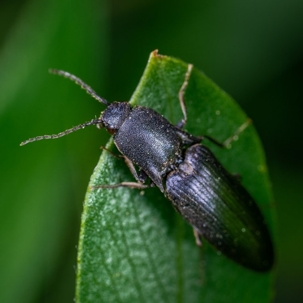
What Do Beetles Look Like?
Knowing what beetles look like allows you to identify the specific species. This is crucial because different beetles have different behaviors, diets, habitats, and potential risks. For example, some are harmless or even beneficial (like ladybugs that eat aphids), while others can be destructive pests (like carpet beetles or powderpost beetles). Misidentification can lead to ineffective or unnecessary control measures.
Targeted Pest Management: Identification based on appearance helps determine the most effective treatment method. Chemical treatments, traps, or environmental modifications vary depending on the beetle species. Without knowing what beetle you’re dealing with, you risk using the wrong strategy, wasting resources, or even causing environmental harm.
Preventing Structural Damage: Certain beetles, such as wood-boring beetles, can cause significant damage to structures, furniture, or stored products. Recognizing their appearance early allows for prompt intervention before extensive damage occurs.
Monitoring and Early Detection: Being familiar with beetle characteristics helps in early detection of infestations. Subtle signs like color, size, wing shape, or antenna structure can alert you to a developing problem, making control easier and less costly.
Appearance often correlates with developmental stage (larva, pupa, adult). Knowing what each stage looks like is essential for timing interventions, since some treatments only affect certain stages of the beetle’s life cycle.
What Shape Are Beetles?
Beetles come in a wide variety of shapes, and their body structures have evolved to suit their specific ecological niches and lifestyles. Here are some of the different shapes and structural adaptations seen in beetles:
- Oval or Elliptical: Many beetles have an oval or elliptical body shape, which is a common and generalized form. This shape is adapted for a wide range of lifestyles and can be found in various beetle families.
- Cylindrical: Some beetles, such as weevils, have a cylindrical body shape. Their elongated, tubular bodies often have a characteristic downward-curved rostrum (snout), which is used for feeding and boring into plant material.
- Flattened: Flattened or dorsoventrally compressed beetles have bodies that are flattened from top to bottom. This shape is often associated with beetles that live in tight spaces, like under the bark of trees. Bark beetles are an example of beetles with this shape.
- Long and Elongated: Longhorn beetles, as the name suggests, have an elongated body shape, with long antennae. This shape is often associated with beetles that feed on wood, as their long bodies allow them to burrow into tree trunks.
- Spherical or Round: Some beetles, like ladybugs (ladybird beetles), have a spherical or round body shape. This shape is associated with a protective exoskeleton that covers the entire body, providing defense against predators.
- Depressed: Depressed beetles are flattened from side to side. They often have a broad, low profile, which allows them to squeeze into tight spaces. Tortoise beetles are an example of beetles with a depressed body shape.
- Humpbacked: Humpbacked beetles have a characteristic hump or bump on their back. This shape is particularly noticeable in some ground beetles, giving them a distinctive appearance.
- Tubular and Elongated: Some beetles, like click beetles, have a tubular and elongated body shape that allows them to spring into the air when threatened. Their body segments are flexible, facilitating this action.
- Streamlined: Beetles that are adapted for aquatic life often have a streamlined body shape, which reduces water resistance and aids in swimming. Diving beetles are an example of beetles with this shape.
- Bulbous and Robust: Certain beetles have a large, bulbous, and robust body shape, which can be associated with their strength. Examples include the rhinoceros beetles and the Hercules beetles, which have powerful mandibles for lifting and manipulating objects.
- Larval vs. Adult Shapes: The shape of beetle larvae (grubs) often differs significantly from that of adult beetles. Larvae can be elongated, grub-like, or worm-like, depending on their species and habitat.
The wide range of shapes in beetles reflects their remarkable adaptability to different environments, diets, and behaviors. Each shape is finely tuned to help beetles thrive in their specific ecological niche, whether it involves burrowing, flying, swimming, or any other way of life.
What Size Are Beetles?
Beetles come in a wide range of sizes, and their size can vary significantly from species to species. To provide a comprehensive understanding of the diversity in beetle sizes, I'll describe the general size categories that beetles fall into:
- Tiny Beetles: Some beetles are very small, measuring only a few millimeters in length. For example, feather-winged beetles (Ptiliidae) are some of the smallest beetles, with adults often being less than 1 mm in length.
- Small to Medium-Sized Beetles: Many beetles fall into this size range, with body lengths typically ranging from a few millimeters to a few centimeters. Common examples include ladybugs (ladybird beetles) and ground beetles.
- Large Beetles: Some beetles are notably larger, with body lengths ranging from several centimeters to around 10 centimeters or more. An example of a large beetle is the Hercules beetle, which can reach lengths of up to 17 cm (6.7 inches) in some cases.
- Giant Beetles: There are certain beetle species that are truly massive. The Goliath beetle, native to Africa, is one of the largest beetles in the world and can exceed 10 centimeters in length, with a body that's both wide and robust.
- Longhorn Beetles: Longhorn beetles are known for their elongated bodies, and some can reach impressive sizes. The Titan beetle, found in South America, is one of the largest longhorn beetles, with body lengths that can exceed 16 centimeters (over 6 inches).
- Aquatic Beetles: Certain aquatic beetles, such as the diving beetles, may have streamlined bodies adapted for swimming, and their size can vary depending on the species. These beetles can range from a few millimeters to a few centimeters in length.
The size of a beetle is influenced by various factors, including its species, habitat, and life stage. Beetles undergo metamorphosis, transitioning through egg, larval, pupal, and adult stages, with each stage having different sizes and body proportions. As a result, the size of a beetle can change significantly during its development.
What Color Are Beetles?
Beetles come in a wide array of colors, and their coloration varies greatly among species. Their colors serve various purposes, including camouflage, warning signals, and attracting mates. Here are some of the colors you can find in beetles:
- Black and Brown: Many beetles are dark-colored, often black or brown. This coloration can provide camouflage in forested environments, where dark beetles blend in with the decaying leaves and soil. Examples of dark-colored beetles include ground beetles and some dung beetles.
- Metallic: Some beetles exhibit striking metallic hues, including iridescent greens, blues, and purples. These colors are created by the way light interacts with microscopic structures on the beetle's exoskeleton. Jewel beetles are a well-known example of beetles with metallic coloration.
- Bright and Vibrant: Certain beetles have vivid and eye-catching colors, which are often associated with toxic or unpalatable qualities. Ladybugs, for instance, are known for their red or orange elytra with black spots, which serve as a warning signal to predators.
- Camouflage: Some beetles have evolved to match the colors and patterns of their surroundings, aiding in camouflage. Bark beetles, for instance, have patterns that resemble tree bark, allowing them to blend in seamlessly.
- Stripes and Spots: Many beetles feature distinctive patterns of stripes, spots, or other markings. These patterns can vary in color and are often species-specific. Carpet beetles are a prime example with their striking spotted patterns.
- Translucent and Transparent: Some beetles have translucent or transparent elytra, allowing you to see through them. These beetles often have a delicate, ethereal appearance. One example is the glasswing beetle.
- Colorful Antennae or Legs: In some cases, the coloration is not limited to the elytra but extends to other body parts, such as antennae or legs. For example, longhorn beetles may have bright, contrasting colors on their antennae.
- Changeable Colors: Certain beetles have the ability to change color to some extent. Chrysomelid leaf beetles, for instance, can change color based on their diet, turning from green to red as they consume different plant materials.
- Varied Coloration within a Species: Even within a single species, there can be variation in coloration. This variation may be influenced by factors like geographic location, genetics, and environmental conditions.
The diversity in beetle colors is vast, with over 350,000 known species, each potentially having its unique coloration and patterns. Beetle colors have evolved for various ecological and survival reasons, making them one of the most visually diverse groups of insects in the natural world.
What Beetles Look Like
Beetles are a diverse group of insects, and their appearance can vary widely depending on the species. However, there are some general characteristics that are common to most beetles; in addition to there size, shape, and color, here are what beetles look like:
Antennae Structure: Beetles often have segmented antennae, which may be straight, clubbed, or elbowed depending on the species. These sensory organs are highly sensitive to smells, vibrations, and pheromones, helping beetles locate food, mates, and navigate their environment.
Wing Configuration: Beetles have two pairs of wings. The front pair, called elytra, is hardened and protective, covering the membranous hind wings used for flight. The elytra meet in a straight line down the back and provide armor-like protection for the delicate wings and abdomen beneath.
Leg Segmentation: Beetle legs are jointed and adapted for specific behaviors. Many have tarsal claws for gripping surfaces, digging, or climbing. The leg segments—coxa, trochanter, femur, tibia, and tarsus—can show distinctive shapes that aid in identification.
Mouthparts: Beetles possess chewing mouthparts with mandibles that can be strong and sharp, suitable for biting plant material, other insects, or organic debris. Some predatory species have elongated mandibles, while scavengers have smaller, broader ones.
Exoskeleton Texture: Beyond color, beetle exoskeletons can be smooth, ridged, pitted, or punctured. These textural differences often serve functional roles, such as camouflage, defense, or aiding in movement through soil or vegetation.
Abdominal Segmentation: The abdomen is usually divided into visible segments beneath the elytra, often showing specialized structures for respiration, reproduction, or sensory detection. Some species have visible cerci or terminal appendages at the end.
Sensory Structures: Many beetles have compound eyes for wide-angle vision, sometimes with additional ocelli (simple eyes) to detect light intensity. Fine hairs or bristles on the body can sense touch, air currents, or vibrations.
Pronotum: The area behind the head, called the pronotum, often has distinctive ridges, spines, or textures. It provides protection for the thorax and sometimes assists in species recognition.
Functional Adaptations: Some beetles have specialized adaptations like digging spurs on legs, sticky pads for climbing, or grooves on the elytra for stridulation (sound production).
There are over 350,000 known species of beetles, and each can have unique features. While this description provides a general overview of beetle characteristics, specific details can vary widely among different species.
What Do Beetle Eggs Look Like?
Beetle eggs are generally oval or cylindrical, though some species produce more spherical or slightly flattened eggs. The exact shape can help narrow down the species.
Texture: Beetle eggs often have a smooth or slightly ridged surface, sometimes appearing shiny or waxy. Some species produce eggs with fine patterns or a granular texture.
Color: While color varies, it is often pale, cream, white, or translucent, though some beetles lay eggs that are yellowish, reddish, or even dark brown depending on the species.
Clustering: Many beetles lay eggs in clusters, masses, or rows, sometimes glued to leaves, wood, soil, or hidden in cracks. Others lay eggs singly, depending on reproductive strategy.
Size Relative to Body: Beetle eggs are usually very small, often just a few millimeters in length, typically less than 2–3 mm, and proportionally smaller than the adult beetle.
Protective Coatings: Some species coat their eggs in gelatinous substances, soil, or fecal material to protect them from desiccation, predators, or pathogens.
Positioning and Habitat: Eggs are often strategically placed near food sources or suitable environments for larval development. For instance, wood-boring beetles insert eggs into cracks in wood, carpet beetles lay eggs near wool, fabrics, or stored products, and ground-dwelling beetles lay eggs in soil.
Before hatching, some eggs may darken slightly or show tiny movement inside, indicating larval activity.