
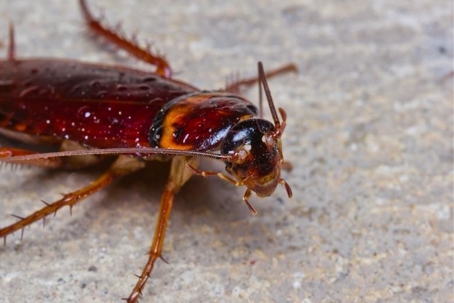
Can Cockroaches Bite?
Yes, cockroaches can bite people, but it’s relatively uncommon. Cockroach bites are more likely to occur in situations where there is heavy infestation and food is scarce. They usually bite the fingers, hands, or face, often targeting areas that are exposed during sleep. The bites are generally mild, causing small, red, itchy marks, though in rare cases they can become infected if scratched excessively.
Cockroaches are not predatory toward humans; biting is more of a defensive or opportunistic behavior. They are more dangerous indirectly, however, because they carry bacteria, pathogens, and allergens on their bodies, which can contaminate food and surfaces, potentially causing illnesses or allergic reactions.
Do Cockroaches Bite Humans?
Cockroaches are generally not aggressive toward humans, so bites are rare. However, certain conditions make bites more likely:
Severe Infestations
Cockroaches don’t normally “hunt” humans, and even in heavy infestations they are not naturally aggressive biters. When bites do occur, it’s usually because normal food and shelter resources are overwhelmed or disrupted, forcing more direct contact with people in unusual circumstances.
Extreme overcrowding can push cockroaches into atypical behavior. When populations are very dense, competition for food and hiding spaces increases. This can lead to more exploratory behavior, including crawling onto beds, furniture, or sleeping people while searching for food residues like sweat, skin flakes, food crumbs, or oils.
In heavily infested environments, cockroaches become more active during times they would normally avoid disturbance. If food sources are scarce or sanitation conditions are poor, they may venture farther and behave less cautiously, increasing the chance of accidental contact with exposed skin.
Many reported “bites” occur when cockroaches are feeding opportunistically on dead skin, calluses, or food residue on fingers, lips, or eyelashes, particularly when a person is asleep and not moving. These are not predatory attacks but opportunistic feeding events, which can feel like a pinch or irritation.
In severe infestations, cockroaches may also be drawn to moisture sources on humans, such as sweat, saliva, or tears, especially in hot, humid, or unsanitary conditions. This can bring them into closer and more persistent contact with exposed skin.
In many cases attributed to “cockroach bites,” the actual cause may be misidentified skin irritation, allergic reactions, or bites from other pests (like bed bugs or mites) that coexist in similar environments.
Scarcity Of Food
Cockroaches don’t truly “bite” humans in the predatory sense even when food is scarce. What increases in those situations is opportunistic feeding behavior and accidental contact, which can feel like biting.
When food is limited, cockroaches expand what they will feed on. They are highly opportunistic scavengers, and in starvation or high-competition conditions they will shift toward any available organic material, including skin oils, sweat residues, food particles on hands or lips, dead skin cells, and calloused or damaged skin. If a person is sleeping or still, cockroaches may remain in contact long enough to nibble or scrape at superficial skin layers, especially around fingers, feet, eyelashes, or lips where residues are more likely to accumulate.
Scarcity also changes behavior. With less available food, cockroaches may:
- Forage more widely and for longer periods
- Enter higher-risk areas, including beds or resting areas
- Reduce avoidance of open or exposed surfaces if food cues are strong enough (sweat, crumbs, etc.)
In overcrowded or heavily infested environments, competition amplifies this effect. More individuals are searching simultaneously, increasing the chance that some will encounter and interact with humans directly during nocturnal activity.
However, it’s important to be precise: cockroaches are not shifting into active “biting” behavior like a predator would. Instead, what’s occurring is opportunistic scraping or feeding on accessible organic material, which can be mistaken for bites, especially when a person is asleep and unaware of the contact.
Sleeping Humans
Cockroaches are not more “likely to bite” people while they are sleeping in a predatory sense, but they are more likely to have close contact with exposed skin at night, which is when most reported “bites” occur.
Here’s what’s actually happening:
Cockroaches are nocturnal scavengers, so they are most active when it is dark and quiet—typically when people are asleep. During this time, they search for food and moisture sources. If an infestation is heavy or food is limited, they may explore unusual resources such as skin oils, sweat, food residue on hands or faces, or dead skin cells.
While a person is sleeping, they are:
- Not moving (so cockroaches are less likely to be disturbed)
- Warm (body heat attracts insects indirectly)
- Sometimes exposed (hands, feet, face, lips, or eyelashes)
In those conditions, cockroaches may briefly nibble or scrape at skin surfaces, especially if residue is present. This is not aggressive biting; it is opportunistic feeding on organic material. The contact is usually minor and may go unnoticed until morning.
Importantly, many suspected “cockroach bites” during sleep are actually:
- Skin irritation or allergic reactions
- Other insect bites (bed bugs or mites are far more common culprits)
- Secondary irritation from scratching or infection
So while nighttime does increase the chance of contact, it’s not because cockroaches are targeting sleeping people. It’s because sleep creates the quiet, still conditions where scavenging insects are more likely to encounter exposed skin without being disturbed.
Hygiene Issues
Cockroaches are more likely to come into close contact with people in environments with poor hygiene, not that they are selectively “biting” individuals because of personal cleanliness.
Cockroaches are scavengers driven by food, moisture, and shelter availability, not by human characteristics. When hygiene conditions are poor, several factors increase the chance of contact that can be mistaken for “bites”:
Poor sanitation tends to mean more available food residue—crumbs, grease, sugary spills, dirty dishes, and trash buildup. These food sources attract cockroaches into living and sleeping areas, increasing the likelihood they will encounter humans at night.
Lack of hygiene often correlates with higher levels of organic residues on surfaces and skin, such as sweat, oils, or food particles on hands, faces, or bedding. Cockroaches may opportunistically feed on these substances if they are accessible, especially when they are already in close proximity.
Poor hygiene environments are frequently associated with higher infestation levels overall. When populations are large, competition for food increases, and cockroaches expand their foraging range into more unusual areas, including beds, furniture, and clothing.
Clutter and unsanitary conditions provide more hiding places and stable microhabitats, allowing cockroaches to remain closer to where people sleep or rest, which increases nighttime contact.
When contact does occur, it is usually not true biting in a predatory sense, but brief feeding on residues or accidental scraping of skin, which can feel like a small pinch or irritation.
Cockroaches are strongly influenced by environmental conditions at the building level (food waste, moisture, structural harborage)rather than individual cleanliness alone. Even very clean individuals can experience cockroach activity if they live or work in heavily infested or poorly maintained buildings.
Vulnerable Individuals
Cockroach “bites” are rare, opportunistic, and not directed at specific people, so it’s more accurate to talk about who is more likely to experience close contact or feeding behavior, rather than true targeting or vulnerability.
That said, certain conditions can make someone more likely to have cockroaches come into contact with them, especially at night:
Individuals in heavily infested environments are at the highest risk simply because exposure is greater. This includes people living or working in buildings with large populations of cockroaches, food debris, moisture issues, or cluttered harborage areas. In these settings, cockroaches may forage more widely and come into contact with sleeping or stationary people.
People who are sleeping in low-light, quiet, and undisturbed conditions are also more likely to experience contact. Cockroaches are nocturnal and active when humans are inactive, so stillness and darkness increase the chance of incidental interaction.
Individuals with limited mobility or reduced awareness during sleep or rest may also have more prolonged contact, since they are less likely to disturb insects that approach exposed skin. This can include infants, elderly individuals, or those with certain medical conditions.
Those in environments with limited sanitation or high food residue exposure may also experience increased attraction of cockroaches into personal spaces. This is not about personal hygiene alone, but about the presence of accessible food sources and moisture in the surrounding environment.
People sleeping in areas where food is consumed or stored nearby (beds, bedrooms with food waste, or cluttered living spaces) may be more likely to encounter cockroaches because the insects are already present in those microenvironments searching for food residues.
Cockroaches do not selectively target humans based on personal traits. Any contact that occurs is a result of environmental conditions that bring cockroaches and people into proximity, particularly in dark, still, and food-accessible spaces.
Cockroach Bites
Cockroach bites are relatively uncommon because these insects are mostly scavengers that avoid humans. However, when bites do occur, usually due to heavy infestations or when food is scarce, there are several risks to consider:
Skin irritation and allergic reactions: Bites may cause mild redness, swelling, and itching. Individuals with sensitive skin or pre-existing allergies may experience stronger reactions, such as hives or localized dermatitis.
Secondary infections: Scratching a bite can break the skin and allow bacteria to enter, leading to a secondary infection. Signs include increased redness, warmth, pus, or pain around the area.
Potential for pathogen transmission: Cockroaches carry bacteria, viruses, and parasites on their bodies from unsanitary environments. While the bite itself rarely transmits disease, contamination of the bite site could theoretically introduce pathogens.
Exacerbation of allergies or asthma: Even without biting, cockroach saliva, feces, and shed body parts are potent allergens. Bites may trigger heightened immune responses in sensitive individuals, sometimes worsening asthma or allergic symptoms.
Psychological effects: The presence of cockroaches and the fear of bites can cause anxiety or stress, particularly in cases of severe infestations.
While cockroach bites are usually minor, the main risks are skin irritation, secondary infection from scratching, allergic reactions, and, indirectly, exposure to disease-causing microbes in unsanitary conditions. Heavy infestations increase the likelihood of bites and associated complications, making professional pest control the safest way to manage the risk.
Do Cockroach Bites Hurt?
Cockroach bites are uncommon and usually mild compared to bites from insects like mosquitoes, fleas, or bed bugs. When they do occur, the bite may cause minor pain, pinching, or irritation rather than intense pain. Most people describe the sensation as slightly uncomfortable rather than truly painful.
Any discomfort from a cockroach bite is typically short-lived, though redness, itching, or small bumps can develop if the skin reacts. More noticeable symptoms usually indicate skin sensitivity or secondary irritation, not the severity of the bite itself.
Do Cockroach Bites Itch?
Cockroach bites can itch, but itching is usually mild to moderate and not experienced by everyone. When itching occurs, it is typically caused by a minor skin reaction to the bite rather than any venom or toxin.
The itching may last for a short time and is often accompanied by slight redness or swelling. More intense itching generally indicates skin sensitivity, allergic response, or secondary irritation, rather than the bite itself being severe.
Do Cockroach Bites Swell?
Cockroach bites can cause minor swelling, though noticeable swelling is uncommon. When it does occur, it is usually limited to a small, slightly raised area around the bite and is the result of a mild skin reaction rather than the bite being aggressive or dangerous.
Swelling typically subsides on its own within a short period. More pronounced swelling may indicate skin sensitivity, an allergic reaction, or irritation from scratching, rather than the normal response to a cockroach bite.
What Do Cockroach Bites Look Like?
Cockroach bites are usually mild and can easily be mistaken for bites from other insects. Typical characteristics include:
Size and Shape – Small, pinprick-like marks, often red or reddish-brown, usually less than 1/4 inch in diameter.
Pattern – Often appear in clusters or lines, because cockroaches may bite multiple times while moving over exposed skin.
Itching and Irritation – The area around the bite may be itchy, slightly swollen, or irritated, but generally not painful.
Location on the Body – Most commonly on fingers, hands, face, arms, or other areas exposed during sleep, since cockroaches are nocturnal.
Secondary Effects – In rare cases, scratching the bite can lead to minor infections or inflammation.
Unlike mosquito bites or bed bug bites, cockroach bites are less distinct and less likely to be immediately noticeable, which is why many people don’t realize they were bitten by a cockroach.
Where Are Cockroach Bites Found?
While they are uncommon, when they are reported, cockroach bites tend to be found on the following parts of the human body:
Hands and fingers: Cockroach bites are most commonly reported on the hands and fingers because these areas are frequently exposed during sleep and may have food residue, sweat, or skin oils that attract roaches.
Face (especially lips, eyelids, and cheeks): The face is a high-risk area due to exposed skin and natural moisture. Documented cases often involve bites around the mouth, eyelids, or cheeks, sometimes mistaken for allergic reactions or mosquito bites.
Neck: The neck is another exposed, warm area where skin folds and perspiration can attract cockroaches, particularly if a person sleeps without covering this region.
Feet and toes: Feet, especially toes and areas around the nails, are commonly exposed during sleep and may carry odors that attract cockroaches, making them a frequent bite location.
Arms and forearms: Exposed arms are vulnerable, particularly in warm environments where short sleeves are worn during rest or sleep.
Areas with thin skin or minor wounds: Cockroaches are opportunistic and may nibble on areas with thin skin, calluses, scabs, or small abrasions, regardless of location, as these are easier to bite.
Distribution pattern note: Cockroach bites typically appear in small, irregular clusters rather than linear patterns and are almost always found on exposed skin, distinguishing them from bed bug or flea bites.
True cockroach bites are rare. Many suspected cases are actually skin reactions, allergic responses to cockroach allergens, or bites from other insects. Confirmed bites are most strongly associated with severe infestations and poor sanitation conditions.
What To Do About Cockroach Bites
If you get bitten by a cockroach, the bite itself is usually mild, but it’s important to treat it properly and prevent secondary issues:
- Clean the Bite: Wash the area thoroughly with soap and warm water to remove any bacteria or dirt. Avoid scrubbing aggressively, as this can irritate the skin further.
- Reduce Itching and Swelling: Apply a cold compress or ice pack for 5–10 minutes to reduce swelling. Over-the-counter anti-itch creams or hydrocortisone cream can help relieve itching. Oral antihistamines (like cetirizine or loratadine) can be used if the bite is especially itchy.
- Monitor for Infection: Keep an eye on the bite for increased redness, pus, warmth, or swelling, which could indicate infection. If signs of infection appear, seek medical attention promptly.
- Prevent Scratching: Scratching can worsen irritation and introduce bacteria, increasing the risk of infection.
- Address the Source: Cockroach bites are usually a sign of an infestation. Take measures to eliminate cockroaches, such as: sealing cracks and gaps where they enter, keeping food sealed, disposing of garbage promptly, reducing moisture and clutter, and considering our professional pest control if there is an infestation. Contact us to learn more about our professional pest control services.
While cockroach bites are rarely serious, the bigger health risk comes from disease and allergen exposure from the roaches themselves. Treat the bite and focus on eliminating the infestation to prevent further bites.